
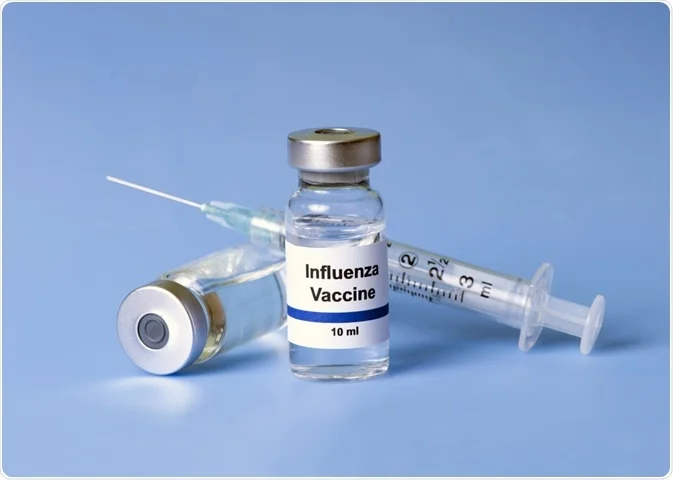

Influenza is often dismissed as a routine seasonal illness. But for vulnerable people, the infection can lead to pneumonia, hospitalization and other serious complications.
The World Health Organization estimates that seasonal influenza causes around one billion infections globally each year, including 3–5 million cases of severe illness and 290,000–650,000 respiratory deaths.
How Influenza Affects the Body
Influenza is an acute respiratory infection caused mainly by influenza A and B viruses. It spreads through respiratory particles and contaminated hands or surfaces.
Common symptoms include sudden fever, cough, sore throat, headache, muscle aches, tiredness and a runny or blocked nose.
Most healthy people recover without major complications. However, influenza can worsen asthma, COPD, heart disease, diabetes and other chronic conditions. Pneumonia and severe respiratory illness can also occur.
Who Faces Greater Risk?
WHO identifies pregnant women, children under five, adults aged 65 and above, people with chronic medical conditions and individuals with weakened immunity as higher-risk groups. Healthcare workers are also at increased risk because of their exposure to infected patients.
Annual vaccination is particularly important for people with chronic lung conditions such as asthma and COPD.
How the Flu Vaccine Works
Seasonal influenza vaccines are updated regularly because flu viruses continue to evolve. WHO reviews vaccine composition twice a year for the Northern and Southern Hemisphere seasons.
For injectable inactivated vaccines, the vaccine cannot cause influenza. Protection develops gradually, with antibodies taking about two weeks to develop.
Vaccination does not guarantee that a person will never develop influenza. However, it can reduce the risk of illness and serious complications.
Influenza Vaccine in Pakistan
The registered price of one 0.5ml dose of Vaxigrip Trivalent was listed by Pakistan’s Drug Regulatory Authority at Rs1,293.24 in July 2026. Retail prices may vary by provider and location.
Vaccination should be obtained through a licensed healthcare provider or reputable pharmacy, with proper storage maintained.
Alongside vaccination, people can reduce transmission by improving ventilation, washing hands, covering coughs and sneezes, avoiding close contact when sick and staying home during illness.
For people at higher risk of complications, discussing annual influenza vaccination with a healthcare professional can be an important step toward preventing severe disease.

