
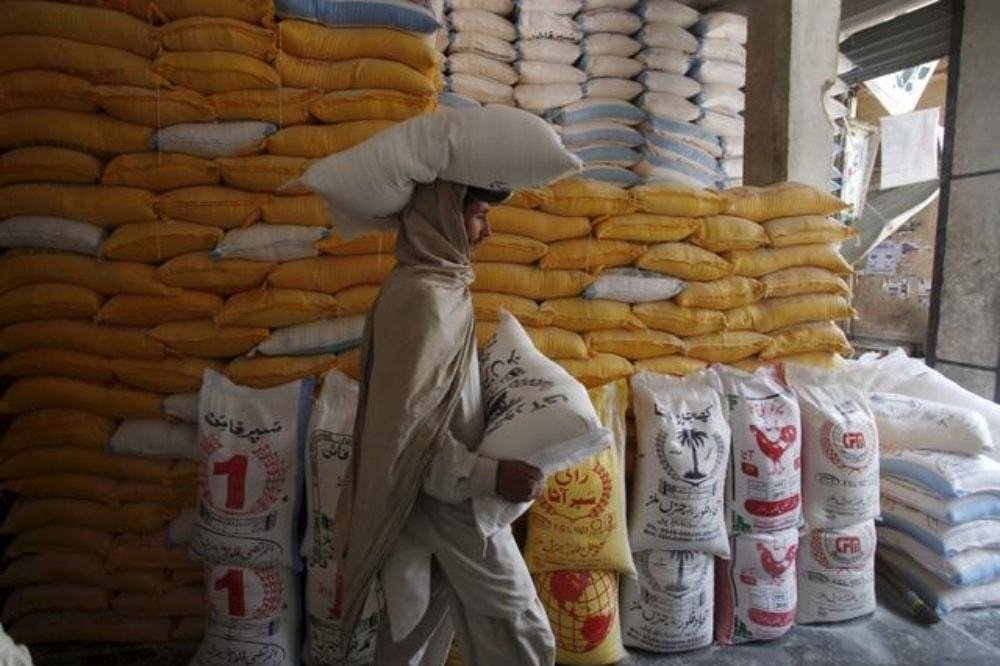

Rising Fuel Costs Push Flour Mills to Seek Price Hike
Flour mills across Pakistan have demanded a significant increase in flour prices. The industry has proposed a Rs250 hike in the price of a 20-kilogram flour bag. If approved, the price would rise from Rs1,810 to Rs2,060.
The demand comes after a sharp increase in petroleum prices. Higher fuel costs have raised transportation and production expenses. This has created fresh inflationary pressure on essential commodities.
Mill owners say the current pricing is no longer sustainable. They argue that operational costs have increased rapidly in recent weeks. As a result, they are urging authorities to approve revised rates as soon as possible.
The price hike could impact millions of households. Flour is a staple food item in Pakistan. Even small increases can significantly affect daily budgets.
Supply Disruptions Add to Market Pressure
The situation has worsened due to supply issues in the market. Government-issued flour bags have become scarce in many areas. Reports suggest that supply has been disrupted for nearly two weeks.
This shortage has pushed consumers toward open market purchases. Prices in the open market are already fluctuating. Limited availability is increasing demand pressure.
Officials say efforts are underway to restore supply chains. However, delays have created uncertainty among both retailers and consumers. Many buyers are worried about further price increases.
The current price structure is set by the Punjab Government. At present, a 10-kilogram bag costs Rs905, while a 20-kilogram bag is priced at Rs1,810. If the proposed hike is approved, prices could rise to Rs1,030 and Rs2,060 respectively.
Wheat Procurement and Harvest Season Influence Prices
The ongoing wheat harvest is another key factor influencing prices. Harvesting has started across Punjab, which is the country’s main wheat-producing region.
The government has increased the wheat procurement rate from Rs3,000 to Rs3,500 per unit. This move aims to support farmers and ensure adequate production. However, it may also contribute to higher flour prices.
Officials from the food department have indicated that new pricing decisions will be announced soon. They are reviewing market conditions, supply levels, and production costs before finalizing rates.
Experts warn that rising fuel prices, supply shortages, and procurement changes could combine to push food inflation higher. Consumers may face additional financial pressure in the coming weeks.
Despite these challenges, authorities say they are working to balance farmer support and consumer affordability. The final decision on flour prices will play a crucial role in stabilizing the market.
As the situation develops, both consumers and traders are closely watching government actions. The coming days will be critical in determining how much flour prices increase.

