
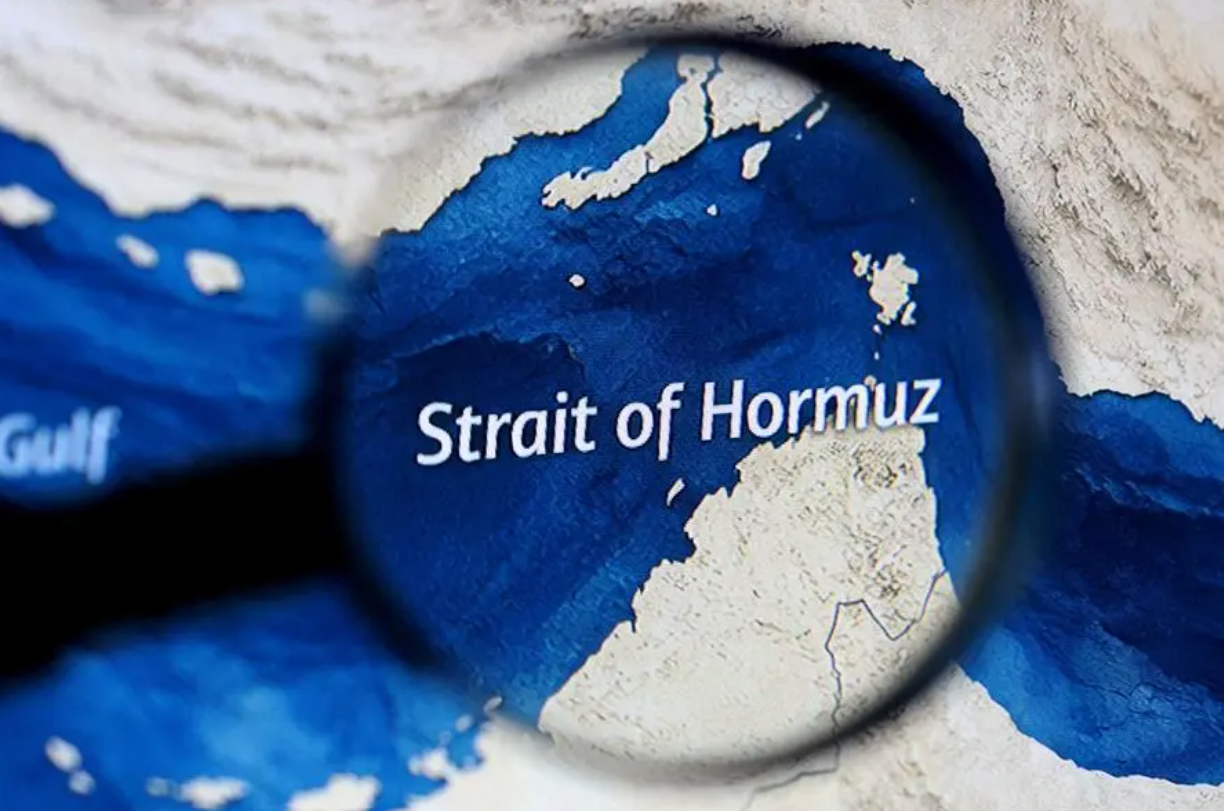

A new development has emerged in the ongoing regional conflict. Iran has reportedly collected its first revenue from tolls imposed on ships passing through the Strait of Hormuz.
This move marks a significant shift in how the vital trade route is being managed during wartime. As a result, it has drawn global attention.
First Revenue Confirmed by Iranian Official
According to a senior parliamentary figure, the initial toll revenue has already been secured. Deputy speaker Hamidreza Hajibabaei confirmed the development in a public statement.
He stated, “The first revenue received from the Strait of Hormuz tolls was deposited into the Central Bank account,” highlighting the financial impact of the policy.
However, authorities did not provide further details. Therefore, the exact amount and scope remain unclear.
A Strategic Move During Conflict
The decision to impose tolls comes amid heightened tensions involving Iran, the United States, and Israel. Consequently, the Strait of Hormuz has become even more critical.
This narrow waterway serves as one of the world’s most important energy corridors. A significant portion of global oil and gas supplies passes through it daily.
By introducing tolls, Iran appears to be leveraging its geographic position. In turn, this strategy may influence both economic and political dynamics in the region.
Global Implications and Market Concerns
This development could have far-reaching consequences. Firstly, increased shipping costs may affect global energy prices. Secondly, uncertainty in the region may disrupt supply chains.
Moreover, traders and policymakers are closely monitoring the situation. Any change in the flow of resources through the Strait could trigger wider economic effects.
At the same time, the lack of detailed information has added to concerns. Without clarity, markets may react cautiously.
A Growing Focus on Economic Leverage
Iran’s move highlights a broader shift toward economic tools during conflict. Instead of relying solely on military actions, financial measures are gaining importance.
Therefore, the toll system could serve multiple purposes. It may generate revenue while also asserting control over a critical route.
What Comes Next?
Although the first revenue has been confirmed, many questions remain unanswered. Observers are waiting to see whether toll collection will expand.
Additionally, the international response could shape future developments. If tensions escalate, the Strait of Hormuz may face further disruptions.
For now, this move signals a new phase in the conflict. It underscores how strategic geography can influence global economics and politics.

