
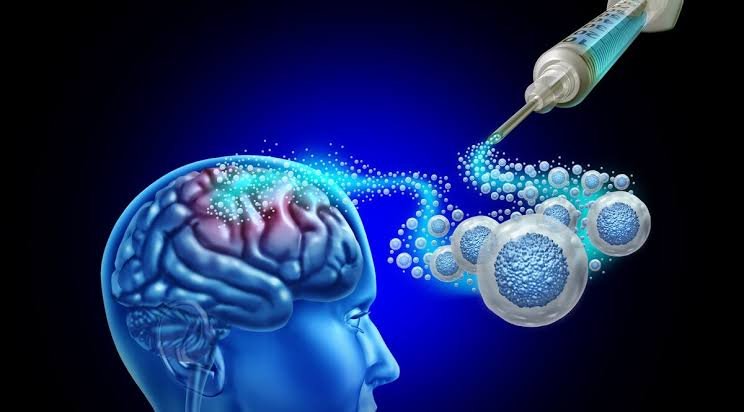

A patient has become the first person to undergo a pioneering stem cell treatment for Parkinson’s disease, marking a significant development in medical research. The experimental procedure aims to replace damaged brain cells responsible for producing dopamine, a chemical essential for controlling movement.
Parkinson’s disease affects the nervous system and gradually causes movement difficulties, including tremors, muscle stiffness and problems with balance. Although existing treatments can manage symptoms, researchers continue exploring new approaches that could address the underlying causes of the condition.
Experimental Treatment Targets Damaged Brain Cells
The pioneering procedure involves transplanting laboratory-grown dopamine-producing nerve cells into the patient’s brain. Researchers hope these transplanted cells will restore dopamine production and improve symptoms associated with Parkinson’s disease.
Clinical Trial Shows Promising Results
The treatment received conditional approval from Japanese regulators in March following a successful clinical trial. During the study, seven patients aged between 50 and 69 received implants containing either five million or 10 million cells on both sides of their brains.
Researchers monitored the participants for two years. The trial reported no major adverse effects, while four patients experienced improvements in their symptoms.
The findings have encouraged further research into stem cell therapy as a potential treatment for Parkinson’s disease. However, scientists must continue evaluating its long-term safety and effectiveness.
Company Plans More Transplants by 2029
Sumitomo Pharma announced plans to perform transplants on 20 to 30 patients by March 2029. Additionally, the pharmaceutical company is conducting another clinical trial in the United States.
The treatment currently holds conditional approval in Japan. However, authorities will grant full approval only after confirming its safety and effectiveness over the next seven years.
The development represents an important step in regenerative medicine, offering researchers another approach to addressing neurological conditions. Nevertheless, further clinical evidence remains necessary before doctors can establish its long-term benefits.
For the latest updates, visit and follow The Truth International website (www.thetruthinternational.com) and subscribe to the YouTube Channel.

