

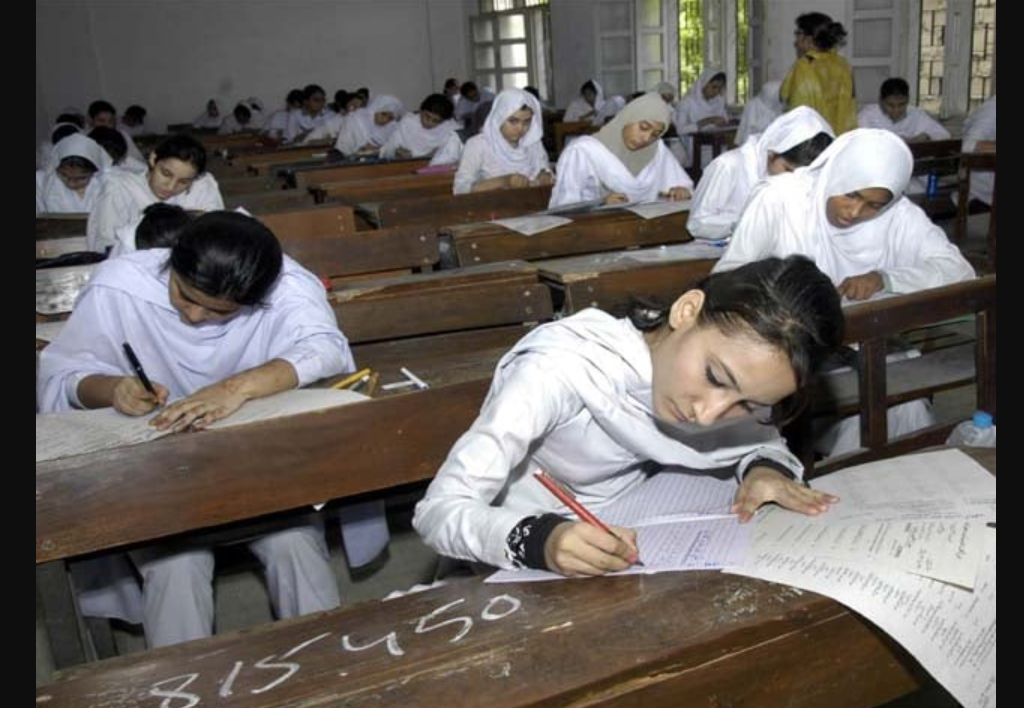

The Khyber Pakhtunkhwa Workers Welfare Board has suspended fifteen school principals across the province due to poor matriculation exam results. The action was taken following disappointing outcomes in the Secondary School Certificate (SSC) annual examinations for 2024-2025.
Schools Affected by the Suspension
According to an official notification issued on September 4, the suspensions target several key institutions. Schools located in Akora Khattak, Aman Garh, Ghoriwala, and Haripur-II were among those affected. Similarly, the principals of schools in Hattar, Karak, Kohat-I, and Kohat-II were also removed.
The action further extended to schools in Peshawar-II, Mardan, Shehbaz Azmat Khel, Swabi, Swat, and Takht Bhai, in addition to a higher secondary school. The decision reflects a province-wide effort to address long-standing academic performance challenges.
Temporary Arrangements for School Leadership
The notification confirmed that vice principals will temporarily assume the duties of principals in their current pay scales. In schools where vice principals are not available, the most senior staff members (BPS-16/17) or acting vice principals will take charge. These interim arrangements will continue until further orders are issued.
This measure ensures continuity of leadership within the schools, while also holding principals accountable for poor academic outcomes.
Minister Explains Reason Behind the Action
Khyber Pakhtunkhwa Labour Minister Fazal Shakoor Khan clarified that the suspensions were directly linked to performance failures. He noted that some schools recorded zero percent results, a situation deemed unacceptable for the province’s education system.
The minister highlighted an imbalance in the distribution of teachers across districts. He explained that although the department has sufficient teachers overall, it lacks specialists in critical subjects beyond Islamiyat and Pashto.
Staffing Challenges Across the Province
A major issue identified is the concentration of teachers from the southern districts of Khyber Pakhtunkhwa. According to Khan, nearly 80 to 90 percent of staff hail from these areas. Many prefer to be posted in their home districts, but accommodating such requests is not always possible. This mismatch has contributed to gaps in subject coverage and academic weaknesses in several schools.
Broader Implications for Education Quality
The suspension of fifteen principals sends a strong signal about accountability in the education sector. Authorities are attempting to raise performance standards and ensure students receive quality education across all regions. Poor matric exam results reflect deeper challenges, including uneven staff distribution, lack of subject experts, and limited resources in rural areas.
While the stopgap arrangements may keep schools functioning, long-term solutions will be required. Addressing teacher deployment policies, improving training programs, and ensuring subject diversity will be essential steps toward improving exam results in the future.
A Push for Educational Reform
This decisive action by the provincial education authorities highlights the urgency of reforms in Khyber Pakhtunkhwa’s schooling system. By holding principals accountable, the government aims to set higher expectations for performance and ensure that students are not left behind.
The case also underlines the need for better planning in staff recruitment and placement, especially in specialized subjects. Without addressing these systemic issues, schools may continue to struggle, regardless of leadership changes.
