

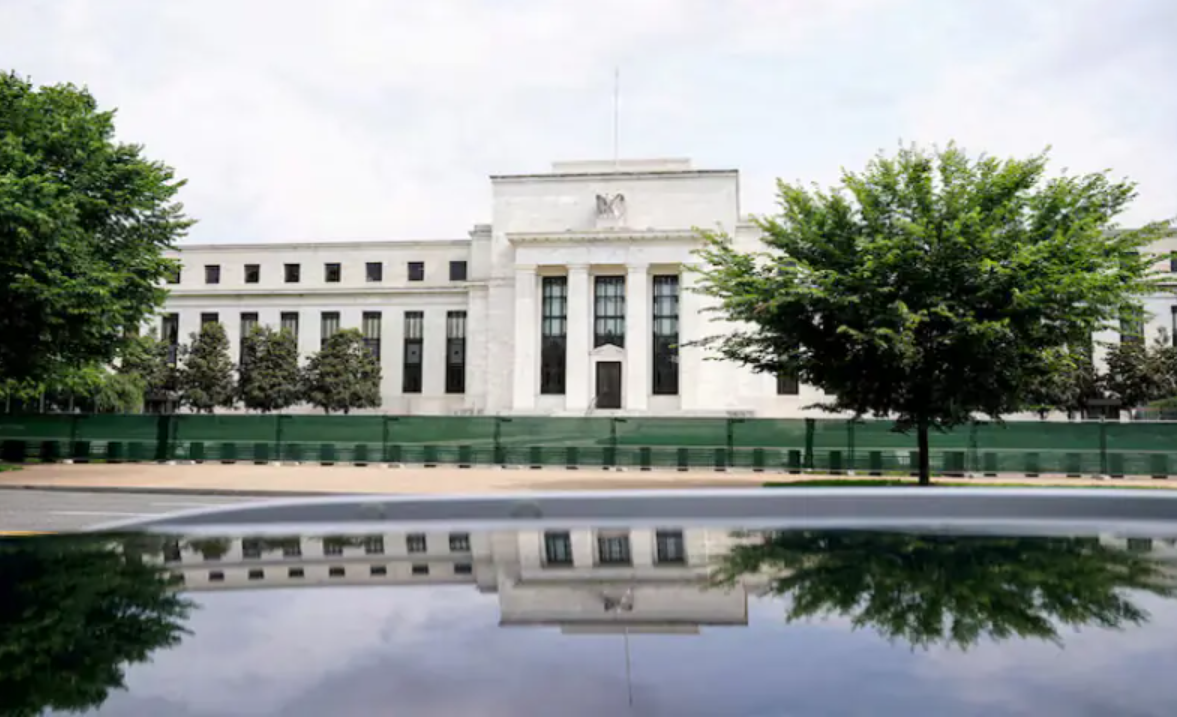

The Federal Reserve lowered interest rates by a quarter point during its final meeting of the year. However, officials signalled a cautious pause, saying more clarity is needed on jobs and inflation. Policymakers expect only one small rate cut next year, despite economic growth gaining momentum.
New projections show inflation easing to about 2.4% next year. Growth may rise to 2.3%, while unemployment could stay near 4.4%. These figures suggest a resilient economy, although uncertainty remains high.
Deep Divisions Emerge Among Fed Policymakers
The decision exposed notable disagreement inside the central bank. Three members opposed the move, each for different reasons. Two wanted no cut at all. Another wanted a larger half-point reduction. This divide reflects rising tension over how to steer policy in 2026.
Leadership changes may intensify that challenge. A new chair is expected early next year. Because of this, building consensus could become more difficult, especially as new data continues to lag due to the recent government shutdown.
Fed Signals It Will Wait Before Making Its Next Move
Officials said they are now positioned to watch how the economy evolves. They stressed that decisions at the next meeting are undecided. Although the cut was expected, markets reacted positively. Stocks rose, while Treasury yields and the dollar dipped.
Still, the latest projections show wide disagreement. Some policymakers see no further cuts next year. Others see limited movement until 2027. This uncertainty highlights how sensitive the outlook remains to upcoming job and inflation data.
Economic Data Gaps Complicate the Fed’s Outlook
The forecasts rely on partial information. The latest available inflation and employment figures date back to September. Inflation was 2.8%, while unemployment reached 4.4%. Updated reports for November will arrive soon, along with economic growth data for the previous quarter.
Officials noted that economic activity continues at a moderate pace. Job growth slowed through the year, and unemployment inched higher. Because of incomplete government data, the Fed leaned on internal surveys and private indicators to shape its view.
Uncertainty Ahead as 2026 Approaches
Looking forward, many policymakers expect rates to stay higher for longer. But inflation is projected to keep declining. Another small cut could occur in 2027 if conditions allow. Even so, the committee remains split on the timing.
Analysts say the lack of consensus may keep policy on hold for some time. Yet softer labour data could push officials toward another small cut in January. Much depends on how the economy responds after the shutdown and how inflation behaves in early 2026.
