
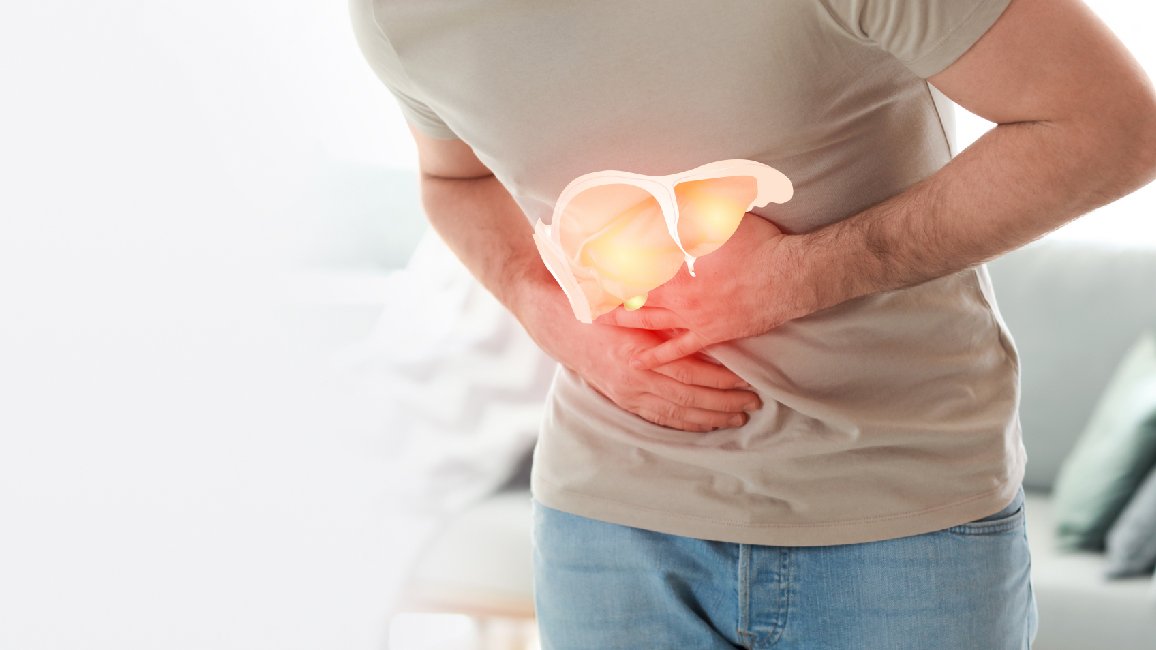

Fatty liver means too much fat has accumulated inside liver cells. The common metabolic form is now called metabolic dysfunction-associated steatotic liver disease (MASLD), previously known as non-alcoholic fatty liver disease. It is often linked with excess body weight, insulin resistance, type 2 diabetes, high cholesterol or high blood pressure. Alcohol can also cause fatty liver.
There are two main stages:
- Simple fatty liver: Fat is present, but there may be little inflammation or permanent damage.
- MASH: Fat is accompanied by liver inflammation and cell injury. This can progress to fibrosis, cirrhosis, liver failure or liver cancer.
Symptoms and possible complications
Fatty liver often causes no symptoms, especially during its early stages. Some people experience:
- Tiredness or weakness
- Mild discomfort under the right ribs
- Reduced appetite
- Unexplained weight loss in advanced disease
When serious scarring develops, symptoms may include yellow skin or eyes, abdominal swelling, swollen legs, itching, easy bruising or confusion.
Possible long-term effects include liver inflammation, fibrosis, cirrhosis, liver failure and liver cancer. People with metabolic fatty liver also commonly have increased risks related to diabetes and cardiovascular disease.
Can fatty liver be reversed?
Early fatty liver can often be greatly improved or reversed. Advanced cirrhosis is usually not fully reversible, but treatment can prevent or slow further damage.
1. Lose weight gradually when needed
Losing approximately 3% to 5% of body weight can reduce liver fat. Losing around 7% to 10% may also reduce inflammation and liver scarring. Weight loss should be gradual because crash diets and very rapid weight loss may worsen liver health.
For example, a person weighing 100 kilograms may initially aim to lose 5 to 10 kilograms under medical guidance.
2. Improve your diet
Choose more:
- Vegetables, salads and whole fruits
- Whole grains and high-fibre foods
- Fish, chicken, beans and lentils
- Nuts and small amounts of healthy oils
- Water instead of sweetened drinks
Limit sugary drinks, fruit juices, sweets, bakery products, refined carbohydrates, oversized portions, fried foods and highly processed meals. A balanced eating pattern and portion control can help reduce liver fat and improve metabolic health.
3. Exercise regularly
Aim for around 150 minutes of moderate activity each week, such as brisk walking, cycling or swimming. Add strength training two or more days weekly when medically suitable. Exercise can improve fatty liver even before major weight loss occurs.
4. Avoid alcohol
Alcohol can worsen liver inflammation and scarring. Anyone diagnosed with fatty liver should discuss alcohol use with a doctor. Complete avoidance is particularly important when liver enzymes are raised, fibrosis is present or alcohol contributed to the condition. Alcohol-related fatty liver may improve after sustained abstinence.
5. Control related conditions
Properly manage diabetes, cholesterol, triglycerides, blood pressure and obesity. These conditions often drive continued fat accumulation and inflammation in the liver.
6. Do not self-medicate
Avoid herbal “liver detox” products, unregulated supplements and high-dose vitamins unless prescribed. Some herbal remedies can directly damage the liver. Selected patients with inflammatory fatty liver and moderate-to-advanced fibrosis may qualify for specialist medicines such as resmetirom or semaglutide, depending on local approval and their medical condition. These are prescription treatments, not routine remedies for simple fatty liver.
Medical checks you may need
A doctor may recommend liver-function blood tests, blood sugar and cholesterol tests, an ultrasound, hepatitis screening and a fibrosis assessment such as FibroScan. Blood tests alone cannot always show how much liver scarring is present.
Seek urgent medical care for yellow eyes, severe abdominal swelling, vomiting blood, black stools, unusual confusion or extreme drowsiness.
Share your ultrasound findings, liver test results, weight, height and whether you have diabetes or use alcohol for more tailored guidance.

