

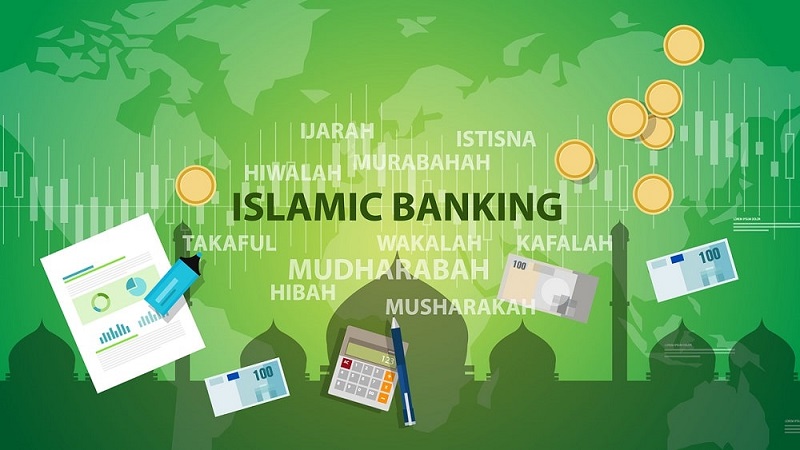

Islamic Banking
Russia is embarking on a historic journey by launching Islamic banking for the first time, initiating a two-year pilot program set to commence on September 1. With an estimated Muslim population of up to 25 million, Russia has had existing Islamic financial institutions; however, this marks the inaugural occasion where the country’s legislation officially endorses such an endeavor.
On August 4, President Vladimir Putin ratified a law to introduce Islamic banking, aiming to assess its viability.
The pilot program will unfold in four Muslim-majority republics—Tatarstan, Bashkortostan, Chechnya, and Dagestan—regions that have already accumulated significant experience in Islamic finance.
This sector exhibits an annual growth rate of 40 percent as said by Oleg Ganeev, Russia’s largest lender, Senior Vice president of Sberbank.
Kalimullina, expressing that the “expanding market necessitates regulation and protection for investors and clients,” highlighted the challenge that Islamic finance encounters in accessing state support programs designed for mortgage financing and small to medium enterprises, which rely on interest-bearing loans, contradicting Shariah principles.
The idea of Islamic banking, long-discussed in Russia since the 2008 financial crisis, gained momentum as banks sought alternative liquidity sources during shortages. Ongoing Ukraine conflict and Western pressures are pushing Russia closer to predominantly Muslim nations.
Islamic banking will enhance its ties with East which further draws foreign investment from Shariah-complaint nation. It will prioritize asset-based financing and risk-sharing partnerships, while Russia’s energy revenues have shielded it from Western sanctions.
Small and mid-sized enterprises, facing under-financing, are set to benefit from Islamic finance’s focus on real economic products.
