


Faizabad Sit-In
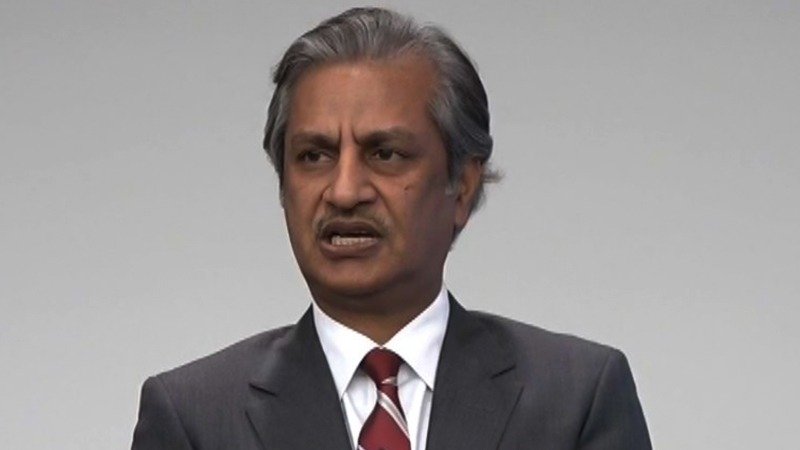
Former Pakistan Electronic Media Regulatory Authority (PEMRA) Chief, Absar Alam, has made significant allegations against the ex-spymaster Lt-Gen (retd) Faiz Hameed, asserting that he faced immense pressure from him during the 2017 Faizabad sit-in.
In a statement submitted to the Supreme Court, Alam claimed that he and other PEMRA officials were under pressure from serving officers, including Maj. Gen. Faiz Hamid, and their subordinates. These officers allegedly complained that their requests were not being granted by PEMRA officials.
The former PEMRA chief revealed that Lt-Gen Faiz Hameed had asked for action against journalist Najam Sethi and a complete blackout of Hussain Haqqani on TV channels. However, both of these demands were not fulfilled.
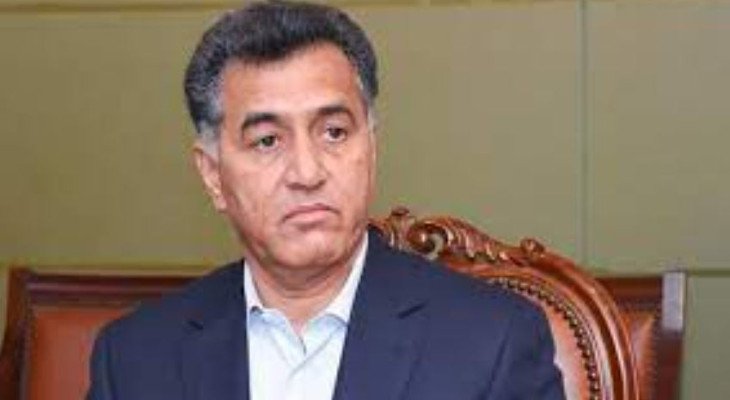
Alam further contended that Lt-Gen Faiz Hameed and his subordinates used illegal means to control TV channel policies, such as changing their channel numbers and moving them to less visible positions when they didn’t comply with instructions. He also disclosed that his team received threats from unidentified individuals for not following these directives.
All TV channels were suspended on November 25, 2017, under a written directive from the federal government, and they were restored the following day after a directive from PEMRA. The situation created a discernible pattern of interference in PEMRA’s affairs, leading to a “battle imposed in a patently unconstitutional and illegal manner” on the agency by individual serving agency officers.
Alam claimed that there was a constant sense of subtle intimidation and threats, with implications that his legal challenge against his appointment as Chairman of PEMRA could be used against him. Following his tenure at PEMRA, sedition and treason cases were filed against him, which he attributed to crossing the “red lines” set by individual serving agency officers.
His statement sheds light on the pressures and undue influences exerted on a regulatory body and the media during a significant political event. It underscores the need for media independence and the protection of regulatory authorities from external pressures for the maintenance of democratic principles.
These revelations bring to the fore the challenges faced by regulatory bodies and media professionals in upholding journalistic standards and independence in the face of external influences.
