
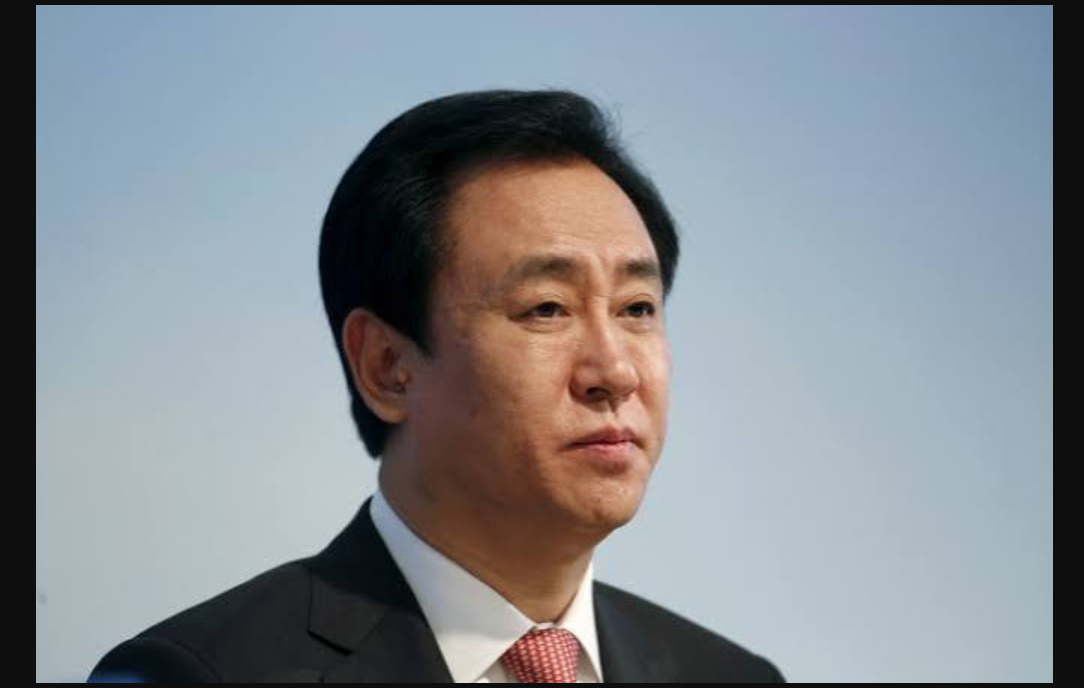

China’s property sector has reached another major turning point after a court sentenced Evergrande founder Hui Ka Yan to life in prison.
The billionaire businessman also faces the confiscation of his personal property following the court’s ruling on Thursday.
Hui, who once led China’s largest property developer, pleaded guilty in April to eight charges. The charges included misuse of funds, fundraising fraud and illegally taking public deposits.
The verdict marks a dramatic fall for the businessman who built Evergrande into one of China’s biggest developers.
Hui Ka Yan Sentenced to Life in Prison
A Chinese court sentenced Hui Ka Yan to life imprisonment after finding him guilty of multiple financial offences. The court also ordered the confiscation of his personal property as part of the punishment.
Hui had admitted guilt in April after authorities brought eight charges against him. The charges focused on financial activities linked to Evergrande and its operations.
His conviction now brings a major legal consequence for the businessman behind the company’s rapid rise.
However, the sentence may offer limited relief to creditors still facing losses from Evergrande’s financial collapse.
Evergrande Fined Over Billions of Yuan
The court in the southern city of Shenzhen also imposed substantial fines on Evergrande and its main subsidiary. Evergrande received a fine of 8.82 billion yuan, worth around $1.31 billion.
Meanwhile, its main subsidiary Hengda Real Estate received a 7 billion yuan fine. The court also sentenced five other senior executives involved in the case.
Their punishments include fines and prison terms ranging from six to 18 years.
Therefore, the ruling extends beyond Hui and places significant legal consequences on other senior figures.
From Property Giant to Historic Default
Evergrande once stood among China’s leading property developers and played a major role in the country’s housing boom.
However, the company defaulted in 2021 as its financial difficulties intensified. Since then, Evergrande has struggled under liabilities estimated at around $300 billion.
Its collapse became one of the clearest symbols of China’s prolonged property sector crisis. The company’s financial troubles also created wider concerns for creditors, investors and the broader Chinese economy.
Hui’s Rise Ends With a Dramatic Fall
Hui Ka Yan’s journey from a successful businessman to a convicted executive marks a striking reversal. He transformed Evergrande into a powerful property group during China’s rapid economic expansion.
However, the company’s mounting liabilities eventually overwhelmed its business model. As a result, Evergrande became one of the most prominent examples of the risks surrounding China’s property downturn.
Hui’s life sentence now closes a major chapter in that rise and fall.
Yet, the ruling does not resolve the financial difficulties facing Evergrande’s creditors.
The company’s enormous liabilities continue to highlight the scale of the challenges created by China’s property crisis.

