
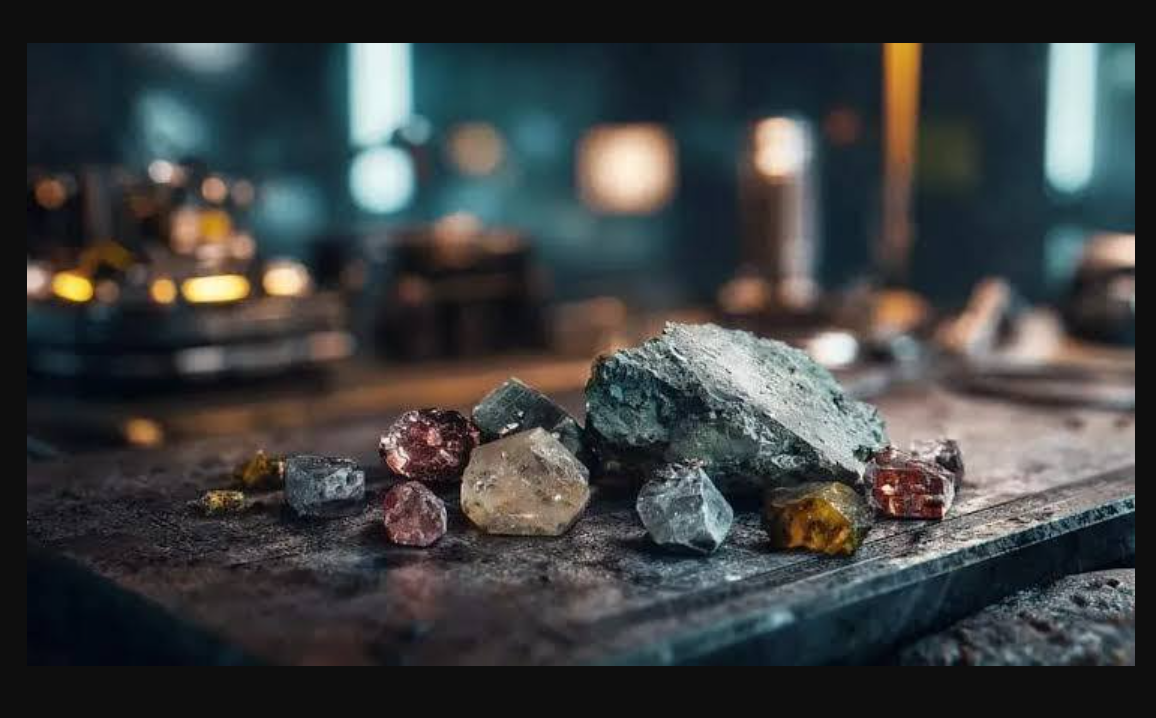

Norway is targeting 2028 for a plan to develop Europe’s largest known rare-earth deposit. However, environmental concerns continue to slow the project.
The Fen Complex, known as Fensfeltet in Norwegian, lies about 150 kilometres southwest of Oslo. The site reportedly contains 15.9 million tonnes of rare-earth oxides.
Norway Targets Fen Complex Development
The Norwegian government said Wednesday that it wants a development plan ready by 2028 at the latest. However, officials hope to complete the planning process sooner.
The deposit contains neodymium and praseodymium, which are used to produce powerful “super magnets”. These materials are important for electric vehicles, green energy and defence applications.
Rare Earths Norway (REN) owns the extraction rights for the deposit. Following several delays, the company hopes to begin mining during the first half of the 2030s.
However, the project still faces significant environmental concerns surrounding the proposed processing site.
Ancient Forest Creates Environmental Challenge
REN plans an “invisible mine” that would use underground extraction and crushing methods. However, the company’s preferred processing location sits within a biodiverse ancient forest.
Environmental surveys have identified 78 endangered animal and plant species across the area. These include several saproxylic beetles that depend on dead wood.
The area also contains wych elms, common ash trees, mosses and around 40 types of fungi. Consequently, the proposed processing site has become a major environmental consideration.
Earlier this year, the Norwegian government took over planning responsibilities from the municipality. The process also includes examining alternative locations for surface installations.
“The objective is to have a plan in place by 2028 at the latest, but preferably before then,” Minister of Industry and Commerce Cecilie Myrseth said at a press conference Wednesday.
Rare Earths Could Strengthen European Supply
Rare earth metals are used in products ranging from smartphones to fighter jets and electric vehicles. The European Union classifies these materials as critical.
Currently, Europe has no operating rare-earth mines. The continent consequently depends on China for its rare-earth supplies.
“In this context, Fensfeltet can contribute to European as well as Western supply,” Myrseth argued.
Meanwhile, Rare Earths Norway said it wanted clarification about the government’s timetable before commenting further.
“The fact that the Ministry of Industry, Commerce and Fisheries now assumes responsibility in the planning process shows the importance the government attaches to Fensfeltet,” REN Vice President for Communications Alf Reistad said.
The government’s new planning target could therefore mark another step toward developing the Fen Complex. However, environmental concerns remain central to the project’s future.
For the latest updates, visit and follow The Truth International website (www.thetruthinternational.com) and subscribe to the YouTube Channel.

