

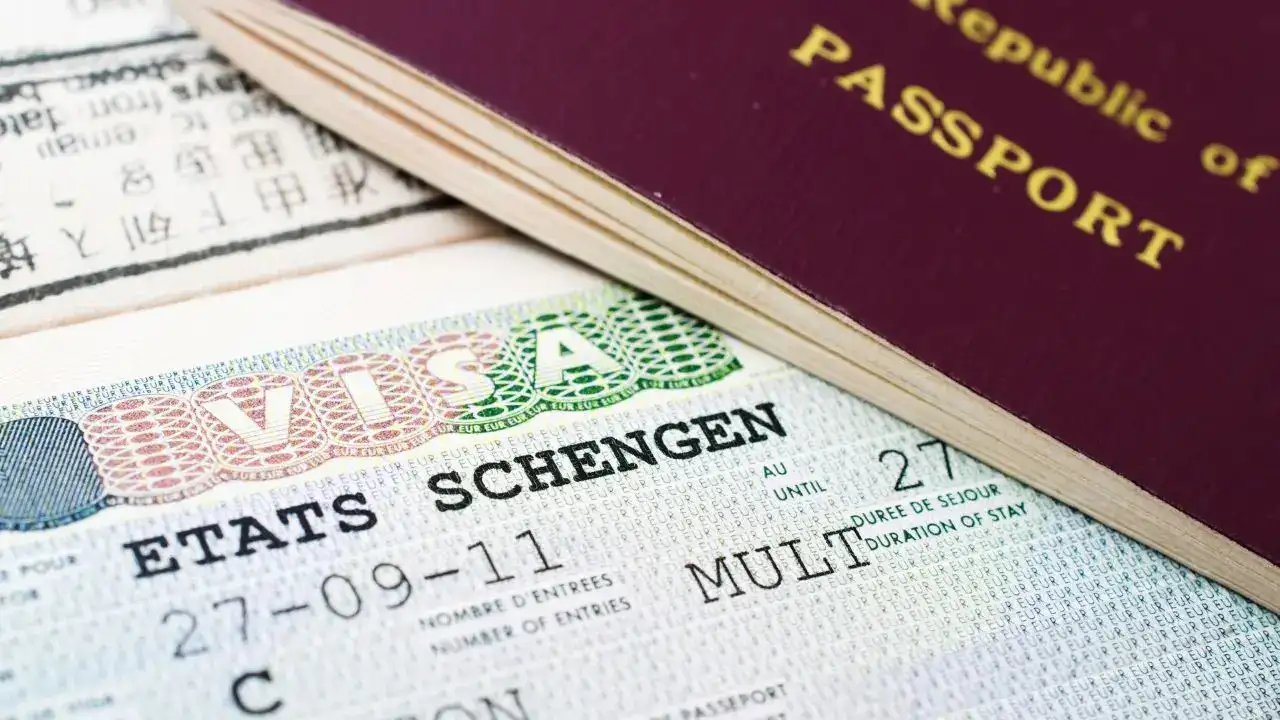

EU aims to phase out stickers, streamline visa processing, and strengthen border security with a fully digital system.
Europe-bound travellers from Pakistan and beyond will soon see a major transformation in how they apply for and receive Schengen visas. The European Union (EU) has officially announced that by 2028, the entire Schengen visa system will shift to digital-only processing, replacing physical stickers with secure digital visas.
Under the new plan, visa applicants will receive a digitally signed visa with a 2D barcode, delivered via email or accessible through mobile applications. The shift is part of a broader EU initiative to simplify the travel experience, cut down on bureaucracy, improve security, and integrate modern technology into cross-border mobility.
What Changes to Expect: New Visa & Border Control Systems
The new system will replace many existing hurdles, including in-person appointments and paper forms. A centralised online portal will allow applicants to:
- Upload all required documents
- Pay visa fees
- Track application status in real-time
- Receive the visa digitally
For most travellers, especially those who have submitted biometrics in the past, the need to physically visit a visa centre will be eliminated. First-time applicants may still be required to appear for biometric verification.
France has already tested the digital system by issuing 70,000 e-visas during the 2024 Paris Olympics, offering a preview of what applicants can expect in the future.
Additional systems coming soon:
- EES (Entry/Exit System): Launching in October 2025, this will eliminate passport stamping by using facial recognition and fingerprint scanning at EU borders.
- ETIAS (European Travel Information and Authorisation System): Expected by late 2026, this will require online travel authorisation from travellers who currently don’t need a visa, such as holders of Pakistani diplomatic or official passports.
These technologies won’t significantly change the visa requirements for Pakistani passport holders, but they will digitise the entry process and make biometric verification standard.
Future Visas Could Be More Flexible
In addition to digitisation, some EU states—like Italy, France, and Greece—are pushing for a more flexible European visa, possibly allowing travel across both Schengen and non-Schengen countries with a single document. While not officially adopted yet, such proposals are gaining support, and pilot projects like Italy’s “Jubilee Visa” for 2025 suggest real momentum behind the idea.
Why It Matters for Pakistani Travellers
For Pakistanis who frequently visit Europe for tourism, education, or family reunions, these developments bring several benefits:
- Quicker processing and reduced embassy visits
- Removal of paper-based visa stickers
- Real-time digital updates
- Biometric e-gates for faster border control
These changes mark a shift toward contactless, secure, and modern travel that aligns with global post-pandemic travel standards.
Timeline Summary
- October 2025: EES biometric system launches
- Late 2026: ETIAS becomes mandatory for certain travellers
- 2026–2028: Digital visa rollouts expand across the EU
- By 2028: Full digitalisation of Schengen visa system complete
Bottom Line
For Pakistanis planning trips to Europe, the age of paper visas is nearing its end. By 2028, your Schengen visa might exist entirely on your smartphone. If future policy discussions succeed, even multi-country travel across Europe could become easier than ever, reshaping how millions move through the continent.
