

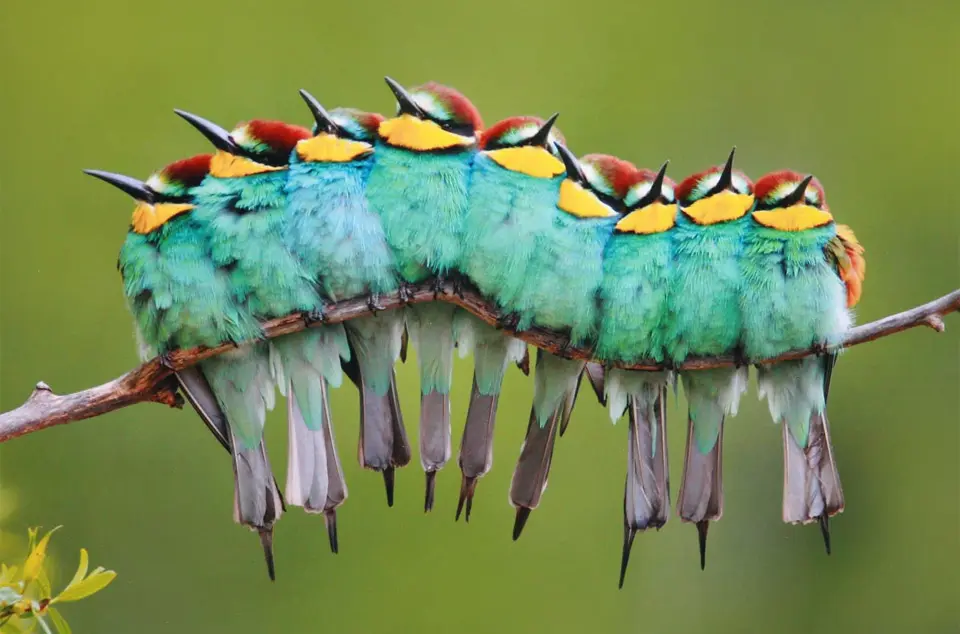

Could farmers and landowners earn money by protecting birds, plants, and ecosystems? That’s the vision behind the European Union’s emerging plan to create a market for “nature credits” — a bold attempt to monetise biodiversity and channel private investment into conservation.
Last month, the European Commission began exploratory talks with representatives from the finance, agriculture, and environmental sectors to flesh out the proposal. Though still in its early stages, the initiative has sparked both interest and concern among environmentalists.
“You can make money by cutting down a forest, but not by planting one and letting it grow old,” EU Environment Commissioner Jessika Roswall said at the Global Solutions Summit in Berlin on Monday. “We want to change that.”
The concept draws inspiration from the global carbon credit system — a market-based approach introduced two decades ago to help finance climate action. That market has since grown into a nearly trillion-dollar industry, allowing polluters to offset emissions by funding emission-reducing projects elsewhere.
Nature credits would work differently. Instead of focusing on carbon, they would allow businesses to improve their environmental credentials by funding projects that actively protect or restore ecosystems. Roswall emphasized that public funding alone is not enough to meet the EU’s ambitious biodiversity goals, making private investment essential.
The idea aligns with the global biodiversity deal struck at the 2022 UN summit, where nations committed to protecting 30% of the world’s land and seas by 2030 and mobilising $200 billion annually for conservation efforts.
Under the proposed system, verified conservation activities — such as restoring wetlands or protecting endangered habitats — would receive tradable certificates. These could then be bought and sold on a dedicated nature credit market.
However, creating a market for biodiversity is far more complex than for carbon emissions. An EU official noted that while carbon can be precisely measured in terms of tonnes, biodiversity is inherently diverse and harder to quantify. “Putting a price on nature is far more complicated,” the official said.
Roswall echoed that sentiment. “We already price nature every day — but only when we take something from it,” she said. “How do you value birdsong, a mountain spring, or the blue expanse of the sea?”
Pilot projects are already underway across the EU, including in Finland, France, and Estonia. These initiatives test mechanisms to reward landowners, especially forest managers, for sustainable practices that benefit the environment.
The EU hopes such projects will eventually provide farmers and foresters with new income streams while helping meet broader climate and conservation targets. Whether nature credits can achieve the balance between financial viability and ecological integrity remains to be seen — but the EU believes it’s a step worth taking.
