

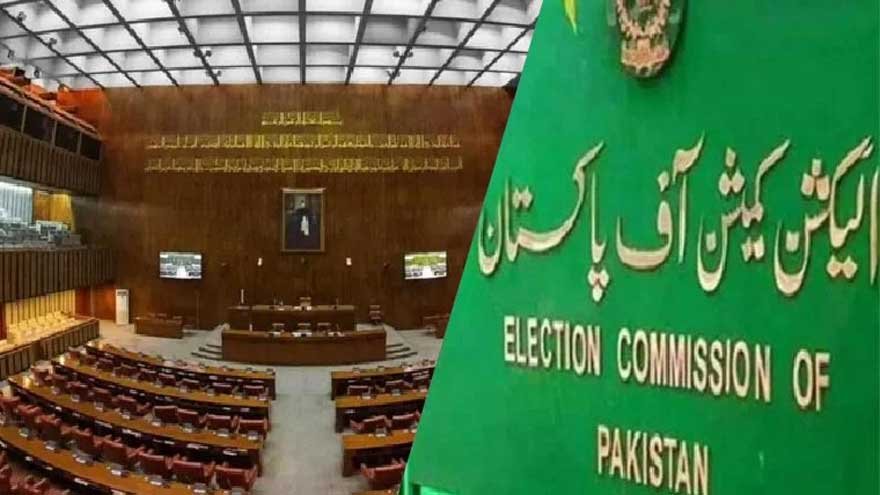

Senate Elections
The Election Commission of Pakistan (ECP) has officially announced the revised schedule for long-delayed Senate elections in Khyber Pakhtunkhwa (KP), setting July 21, 2025, as the new polling date.
The elections will be held at the KP Assembly in Peshawar to fill 11 vacant Senate seats that have remained unoccupied due to political and procedural delays.
According to the details released by the ECP, the upcoming election will cover a total of 11 Senate seats, including seven general seats, two seats reserved for women, and two seats reserved for technocrats and Ulema. These positions are crucial for restoring the province’s full representation in the upper house of Parliament.
The Senate elections in KP were originally scheduled to be held on April 2, 2024, but were postponed due to a constitutional standoff.
The delay occurred after the Speaker of the KP Assembly refused to administer the oath to newly elected members from the opposition benches. This move effectively prevented the full electoral college of the provincial assembly from being constituted, a prerequisite for conducting the Senate polls.
The political impasse drew widespread criticism and raised concerns about democratic governance and procedural fairness in the province.
The Election Commission was compelled to wait for the completion of the assembly’s membership before rescheduling the vote, ensuring that all eligible lawmakers could exercise their right to vote in the Senate elections.
In a related development, the ECP has also issued the election schedule for the Senate seat vacated by Senator Sania Nishtar, who resigned earlier this year. This separate process will proceed in tandem with the broader Senate elections in the province.
The upcoming polls are expected to significantly influence the political landscape in the Senate, especially amid heightened political tensions and shifting alliances at the federal and provincial levels.
The Election Commission has assured transparency and strict adherence to the electoral code of conduct in the polling process. Political parties are now preparing their candidates and campaign strategies ahead of what is likely to be a closely watched contest.
