
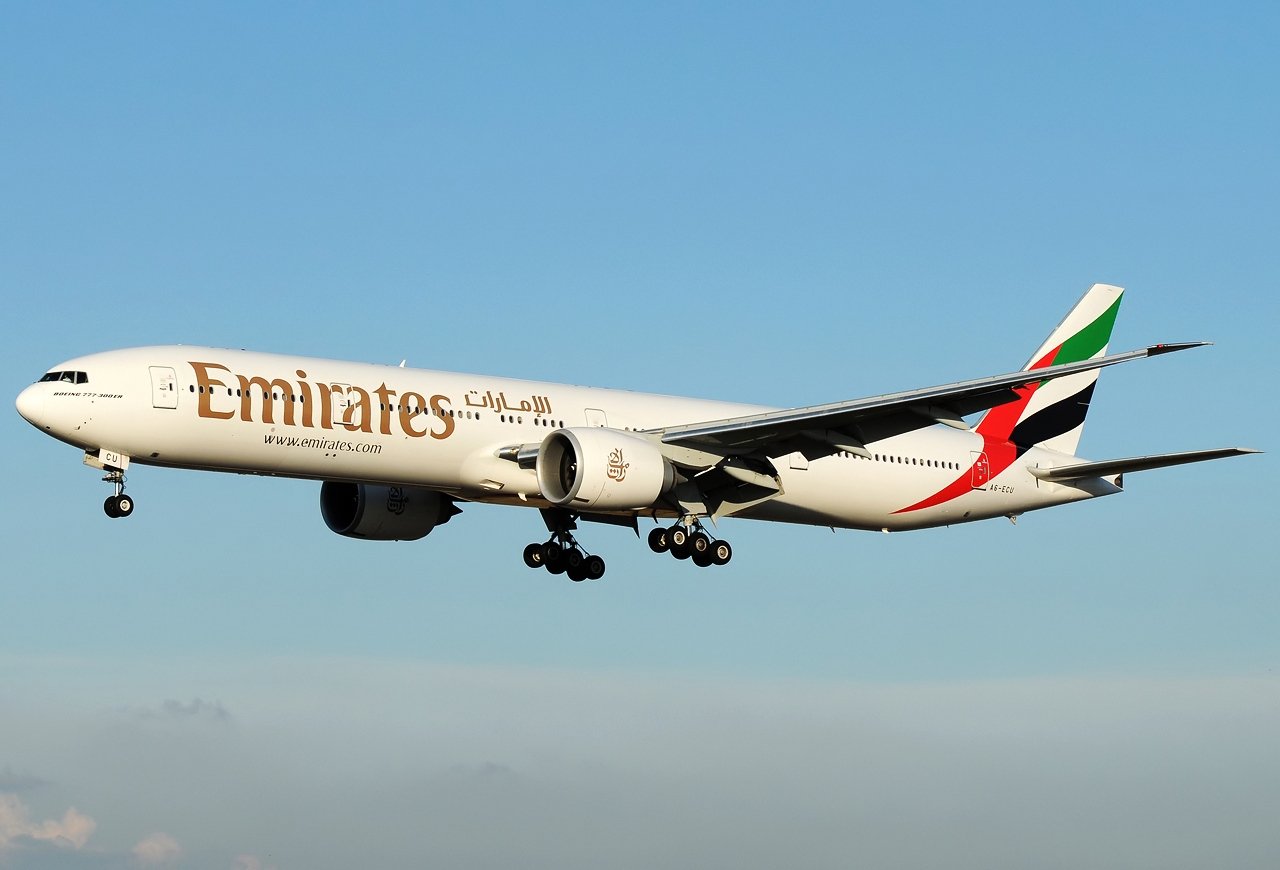

Dubai has introduced strict limits on foreign airlines due to ongoing regional tensions. The restrictions will remain in place until May 31.
Airlines can now operate only one round-trip flight per day. This rule applies to both Dubai International Airport and Al Maktoum International Airport.
Moreover, authorities stated that additional slots may be granted later. However, this depends on available capacity.
Indian Airlines Face the Biggest Impact
Indian airlines appear to be the most affected by these restrictions. They had scheduled more flights than carriers from other countries.
Air India and its low-cost subsidiary had planned over 750 flights during April and May. Similarly, IndiGo scheduled 481 flights, while SpiceJet planned 61.
However, the new limit reduces operations to around 30 or 31 flights per month per airline. As a result, airlines now face major disruptions.
In contrast, Dubai-based airlines continue operating at much higher frequencies. This situation has raised concerns over fairness in the market.
Industry Calls for Action
India’s airline industry has urged authorities to respond to the situation. It has asked for diplomatic engagement with Dubai.
Furthermore, industry representatives suggested reciprocal measures if restrictions continue. They believe the current policy creates an uneven playing field.
At the same time, Dubai-based carriers maintain that their schedules follow approved guidelines. However, the lack of clarity continues to frustrate foreign airlines.
Financial Pressure Mounts on Indian Carriers
Indian airlines already face multiple operational challenges. Rising fuel prices have increased costs significantly.
Additionally, flight routes to Western destinations have become longer. This is due to airspace restrictions linked to regional tensions.
Therefore, the Dubai flight cap adds another layer of financial strain. Airlines now struggle with underutilised aircraft and reduced revenue potential.
IndiGo, for example, confirmed that the situation has significantly constrained its operations. A large portion of its fleet currently remains underused.
Dubai’s Importance in Global Aviation
Dubai International Airport remains one of the busiest international travel hubs. In 2025, India was its largest passenger source.
Nearly 11.9 million travellers from India passed through the airport. Consequently, any disruption affects both airlines and passengers.
Meanwhile, several global airlines have suspended their Dubai operations. Instead, they are focusing on direct Asia-Europe routes.
This shift allows them to take advantage of strong travel demand and higher ticket prices.
What Lies Ahead for the Aviation Sector?
The current restrictions highlight growing uncertainty in global aviation. Airlines must now adapt quickly to changing geopolitical conditions.
If tensions continue, further disruptions may follow. However, any easing of restrictions could restore balance in the market.
For now, Indian airlines remain under pressure. Their recovery depends on policy decisions and regional stability.

