
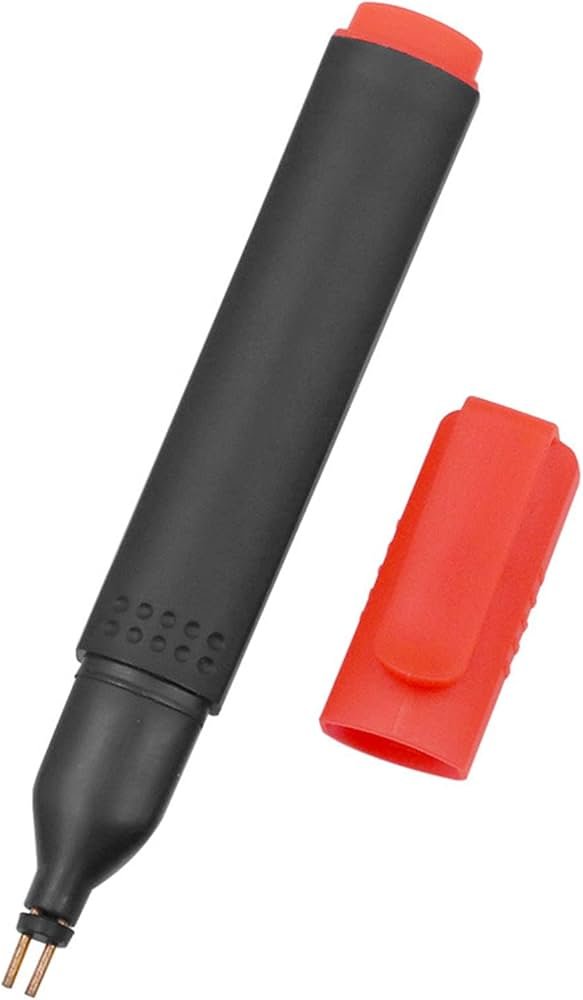

ISLAMABAD: Compact digital TDS meters are increasingly appearing in Islamabad households as consumers seek convenient ways to check drinking water and monitor domestic filtration systems.
The pocket-sized devices measure Total Dissolved Solids within seconds and are widely available through online shopping platforms. Basic models generally cost below Rs1,000 to Rs2,000, while advanced multi-function devices command higher prices.
Consumers commonly use the meters to compare different water sources and assess the performance of reverse-osmosis and filtration systems.
However, water-quality specialists warn that TDS readings alone cannot establish whether drinking water is safe.
TDS Meters Cannot Detect Harmful Contaminants
A TDS meter estimates dissolved substances, including salts and minerals, usually displaying results in parts per million. Nevertheless, it cannot identify individual contaminants such as bacteria, viruses, pesticides, arsenic or lead.
Pakistan Council of Research in Water Resources National Water Quality Laboratory Director Saiqa Imran said TDS represents only one parameter in assessing water quality.
Furthermore, she said water with an acceptable TDS reading could still contain arsenic, nitrate, fluoride, heavy metals or disease-causing microorganisms.
Experts Recommend Periodic Laboratory Testing
Consequently, Imran advised consumers to treat TDS meters as initial screening tools rather than substitutes for laboratory analysis.
She said households should test water according to contamination risks in their areas. Nitrate testing can be particularly important in Rawalpindi and Islamabad, while other locations may require checks for arsenic, fluoride or additional pollutants.
Moreover, Imran cautioned against assuming extremely low TDS automatically indicates superior water quality. Domestic RO systems can remove dissolved minerals, meaning readings as low as 14, 20 or 30 milligrams per litre do not necessarily prove purity.
She urged households using filtration systems to understand what contaminants their equipment removes and periodically have drinking water tested by qualified laboratories.

