
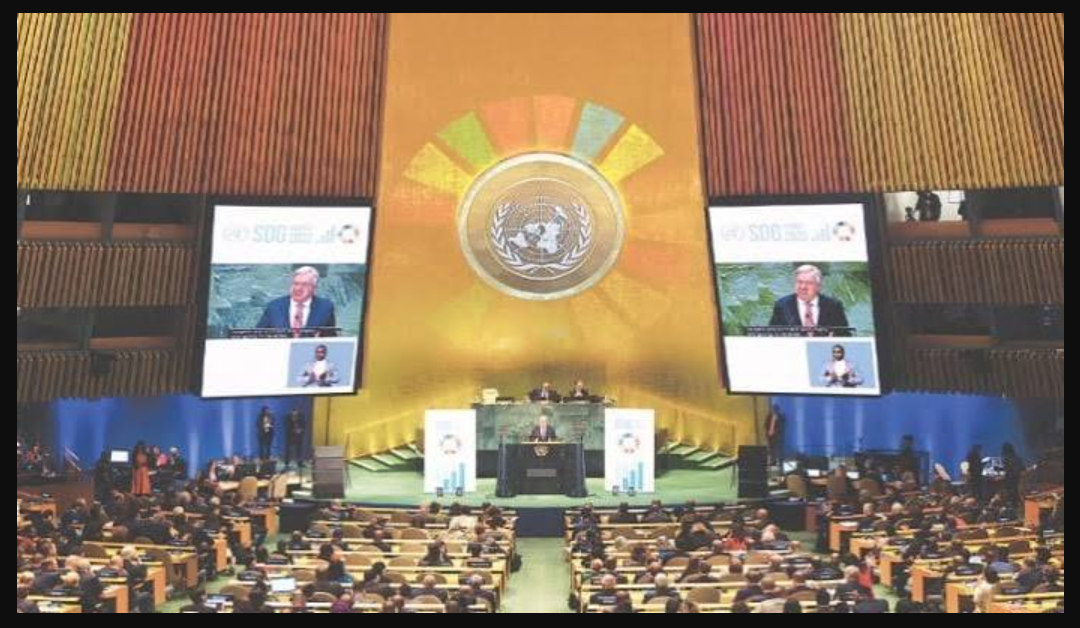

Nearly 130 countries reached an agreement on Saturday. They agreed on a text defining lethal autonomous weapons systems. Critics call these weapons “killer robots.” This marks a first step towards international regulation. The agreement could lead to treaty negotiations.
The text agreed upon has not yet been made public. Campaign groups following the talks have already criticized leading countries. They accuse them of dragging their feet on this critical issue. Dutch Foreign Minister Tom Berendsen announced the agreement. He confirmed that 128 countries endorsed the text. The Netherlands has been overseeing these important talks.
What Are Lethal Autonomous Weapons Systems?
Countries are already developing these advanced weapons. They are capable of selecting targets without human intervention. These systems can use force against chosen targets autonomously. Human control becomes minimal or nonexistent in their operation. This raises serious ethical and legal concerns worldwide.
The International Committee of the Red Cross issued a warning. “The unconstrained development and use of autonomous weapon systems pose serious legal, ethical and humanitarian challenges,” they stated. The ICRC has called for legally binding rules. These rules would restrict and regulate their use globally.
Campaign Groups Accuse Major Powers of Obstruction
Nicole van Rooijen leads Stop Killer Robots. She is the executive director of this international alliance. She accused the United States and Russia of wrongdoing. Their allies also faced allegations of trying to weaken the text. They allegedly worked to dilute the agreed language.
Lex International also criticized certain nations’ positions. This Geneva-based philanthropic group funds key policy work. “The United States, Russia, India and Israel are amongst the key opponents of negotiations,” it said. These powerful nations reportedly resist international regulation efforts.
Which Countries Are Leading the Push for Regulation?
Some nations are actively pushing for treaty negotiations. “The governments of Brazil, Ireland, and Norway are leading efforts to get such negotiations started in November,” Lex International added. These countries want concrete action on this issue. They seek international legally binding rules.
The UN member states will decide the next steps. They will meet for November talks under the Convention on Certain Conventional Weapons. This meeting will determine whether to move towards an international treaty. The outcome will shape the future of autonomous weapons regulation.
Humanitarian and Ethical Concerns Rise
The ICRC remains deeply concerned about these weapons. Autonomous systems could make life-and-death decisions. Machines would determine targets without human judgment. This raises profound ethical questions about warfare. The humanitarian implications are potentially devastating.
Campaigning groups have called for urgent action. They want international legally binding rules established. These rules would restrict and regulate autonomous weapons. They would prevent uncontrolled development and use. Human control must remain central to weapons deployment.
The Path Forward: Treaty or Tension?
The November talks will be crucial for global security. Nations must decide whether to pursue a treaty. The agreement on defining LAWS represents progress. However, opposition from major powers remains significant. The gap between supporters and opponents is wide.
Brazil, Ireland, and Norway continue their leadership role. They push for meaningful negotiations to begin. The United States, Russia, India, and Israel resist these efforts. The outcome of November talks remains uncertain. The future of killer robots regulation hangs in the balance.
Why This Agreement Matters
Defining autonomous weapons is an important first step. Without a clear definition, regulation becomes impossible. The agreed text provides a foundation for future discussions. It establishes common understanding among nations. This paves the way for potential treaty negotiations.
However, campaign groups remain skeptical about the text. They worry that powerful nations may weaken its impact. The struggle between regulation advocates and opponents continues. The humanitarian stakes could not be higher.
International Community Divided
The agreement shows global concern about autonomous weapons. However, it also reveals deep divisions among nations. Some want immediate regulation and binding rules. Others prefer to maintain their development capabilities. The debate reflects broader tensions in international governance.
The ICRC continues to advocate for humanitarian protections. Campaign groups maintain pressure on governments. The November talks will determine the future direction. The world watches as the killer robots debate intensifies.

