

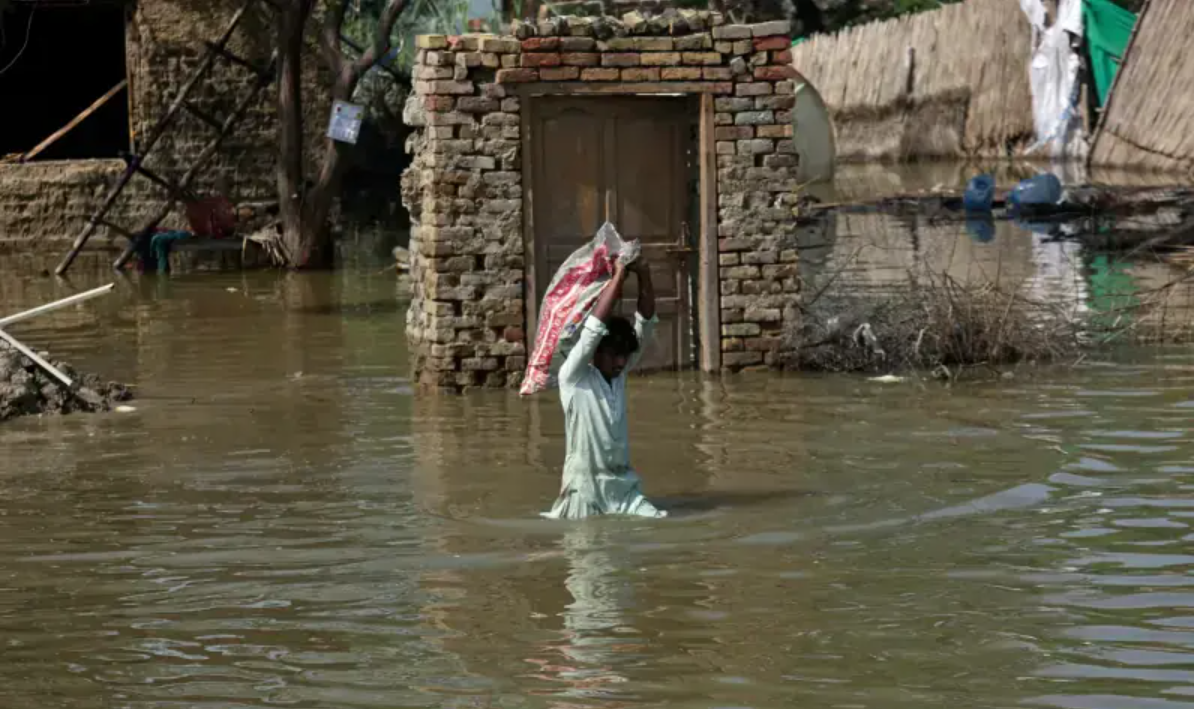

The Provincial Disaster Management Authority (PDMA) has reported alarming figures regarding the ongoing floods caused by the overflowing Ravi, Sutlej, and Chenab rivers in Punjab. The disaster has resulted in widespread destruction, loss of life, and displacement across several districts.
Rising Death Toll and Widespread Impact
According to the latest report, 112 people have lost their lives in incidents linked to the floods across Punjab. Gujranwala and Gujrat districts recorded the highest casualties, with 45 fatalities reported. Since June 2025, the overall toll has risen to 186 deaths, with 648 individuals injured in various flood-related incidents.
The floods have devastated more than 4,700 villages. An estimated 4.721 million people have been directly affected, with 2.608 million displaced and relocated to safer areas.
Relief Operations Across Affected Areas
Authorities have mobilized extensive relief efforts to address the humanitarian crisis. A total of 363 relief camps have been established, providing shelter to thousands of families. In addition, 446 medical camps are delivering healthcare services, while 382 veterinary camps have been set up to treat and protect livestock, a vital resource for rural communities.
The PDMA confirmed that no new loss of life was reported in the past 24 hours, offering a brief respite amid the crisis.
Dam Levels Raise Concerns
Flood risks remain high as water levels in major dams approach capacity. Officials revealed that Mangla Dam has reached 94% of its capacity, while Tarbela Dam has already filled to 100%.
On the Indian side, significant dams along connected river systems are also nearing full capacity. Bhakra Dam is currently at 88%, Pong Dam stands at 94%, and Thein Dam is at 88%. These figures highlight cross-border water management challenges that could worsen flood intensity in the coming weeks.
Humanitarian and Environmental Consequences
The floods have triggered large-scale displacement, leaving millions in urgent need of food, clean water, and shelter. Agricultural lands across Punjab have been submerged, endangering the region’s food supply and increasing the risk of long-term economic damage. Livestock losses add to the hardship of rural families who rely heavily on farming.
Environmental experts warn that the saturated soil and overflowing riverbanks could lead to further breaches, potentially expanding the flood-affected zones. Continued monitoring of dam levels is now essential to avoid additional catastrophe.
Path Forward and Preparedness
Authorities are urging residents in low-lying and vulnerable areas to remain vigilant and adhere to evacuation directives. Efforts are being made to strengthen embankments, reinforce relief camps, and coordinate with health and rescue teams for continued assistance.
The disaster underscores the urgent need for sustainable flood management strategies, including improved infrastructure, early warning systems, and cross-border cooperation on water resource management.
The Punjab floods of 2025 have already taken 112 lives and displaced millions, with the situation exacerbated by rising dam levels. Relief efforts remain ongoing, but the scale of devastation highlights the need for immediate and long-term planning to safeguard vulnerable communities.
