
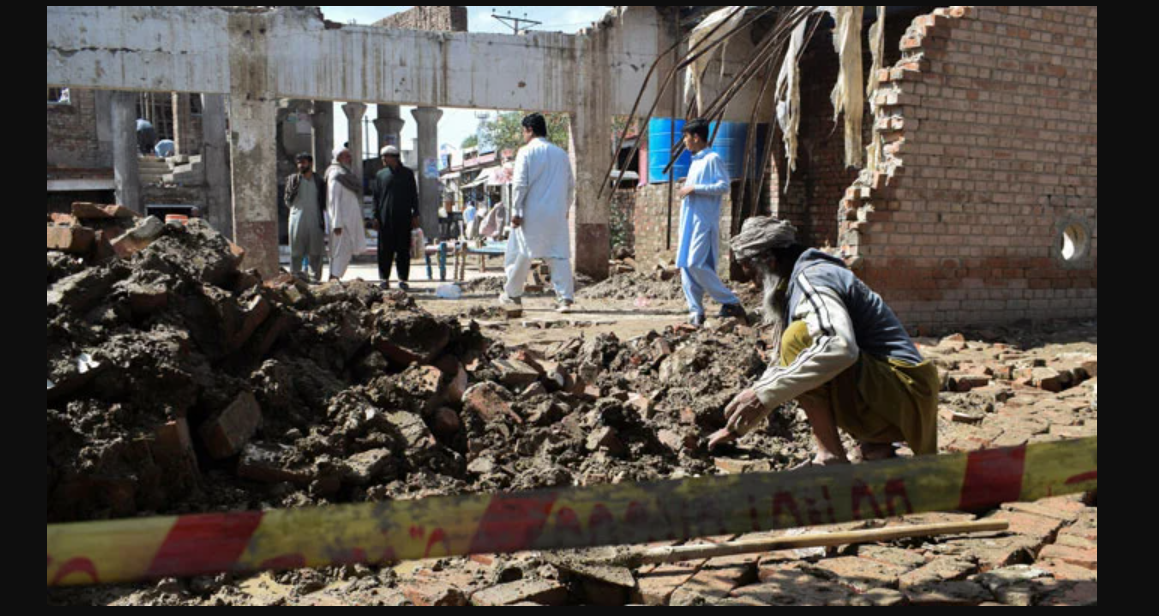

Heavy rains have caused widespread devastation across Khyber Pakhtunkhwa, leaving dozens dead and many families displaced. Authorities confirmed that continuous downpours triggered roof and wall collapses in several districts, resulting in significant human and property losses.
Officials warn that another spell of rain is approaching, raising fears of further damage in already affected areas.
Rising Death Toll After Weeks of Heavy Rainfall
Since March 25, at least 45 people have lost their lives due to rain-related incidents across the province. Authorities reported that collapsing roofs and walls caused most fatalities during intense rainfall.
Among the victims were 23 children, highlighting the severe impact on vulnerable families. Additionally, 17 men and five women were also killed during the incidents.
Meanwhile, 105 people sustained injuries. The injured include 45 men, 16 women, and 44 children. Rescue teams continue monitoring affected communities as recovery efforts remain underway.
The scale of destruction reflects how extreme weather events increasingly threaten residential safety, particularly in vulnerable structures.
Hundreds of Homes Damaged Across Multiple Districts
The disaster has severely affected housing infrastructure throughout Khyber Pakhtunkhwa. Officials confirmed that 442 houses suffered damage due to heavy rains.
Out of these, 382 homes were partially damaged, while 60 houses were completely destroyed. Many families have temporarily moved to safer locations after losing shelter.
Incidents were reported from numerous districts, including Peshawar, Swat, Abbottabad, Mardan, Bannu, Bajaur, Kohat, and Dera Ismail Khan. Additional damage occurred in North and South Waziristan, Kurram, Lakki Marwat, Shangla, Mansehra, and several other regions.
Because rainfall affected both urban and rural areas, relief teams face logistical challenges while reaching remote communities.
Relief Operations Accelerated Across Affected Areas
Provincial authorities launched emergency relief operations soon after the incidents were reported. Disaster management teams remain in close coordination with Rescue 1122 services and district administrations.
Aid supplies have already been dispatched to impacted districts. Local officials have received instructions to speed up assistance and ensure immediate relief for affected families.
Emergency responders continue clearing debris, assisting injured residents, and assessing structural risks. Authorities aim to restore basic services while supporting displaced households.
Furthermore, coordination between institutions has improved response efficiency during ongoing rescue operations.
Fresh Rain Spell Raises New Concerns
Weather authorities have warned of another rain spell expected between April 6 and April 9. Officials fear additional rainfall could worsen conditions in vulnerable districts.
Residents have been advised to avoid unnecessary travel, especially toward mountainous and tourist areas prone to landslides and flooding.
Authorities also urged citizens to follow official safety advisories and remain alert during changing weather conditions. Preventive measures, officials say, can significantly reduce risks during severe weather events.
Emergency Response System Remains Active
The Provincial Disaster Management Authority confirmed that its Emergency Operations Centre remains fully operational. Citizens can report emergencies or request assistance through the toll-free helpline 1700.
Officials emphasised that timely reporting helps rescue teams respond faster and minimise losses.
As communities begin recovery efforts, authorities continue assessing damages and planning further relief measures. However, continued rainfall remains a major concern for both residents and emergency services.
Communities Face Ongoing Recovery Challenges
Beyond immediate casualties, many families now confront long-term recovery challenges. Damaged homes, disrupted livelihoods, and safety concerns continue affecting daily life across several districts.
Nevertheless, rescue workers and local administrations remain engaged in relief operations. Their efforts aim to stabilise conditions while preventing further tragedies.
The recent disaster serves as a reminder of the growing risks posed by extreme weather patterns and the need for stronger preparedness measures nationwide.

