

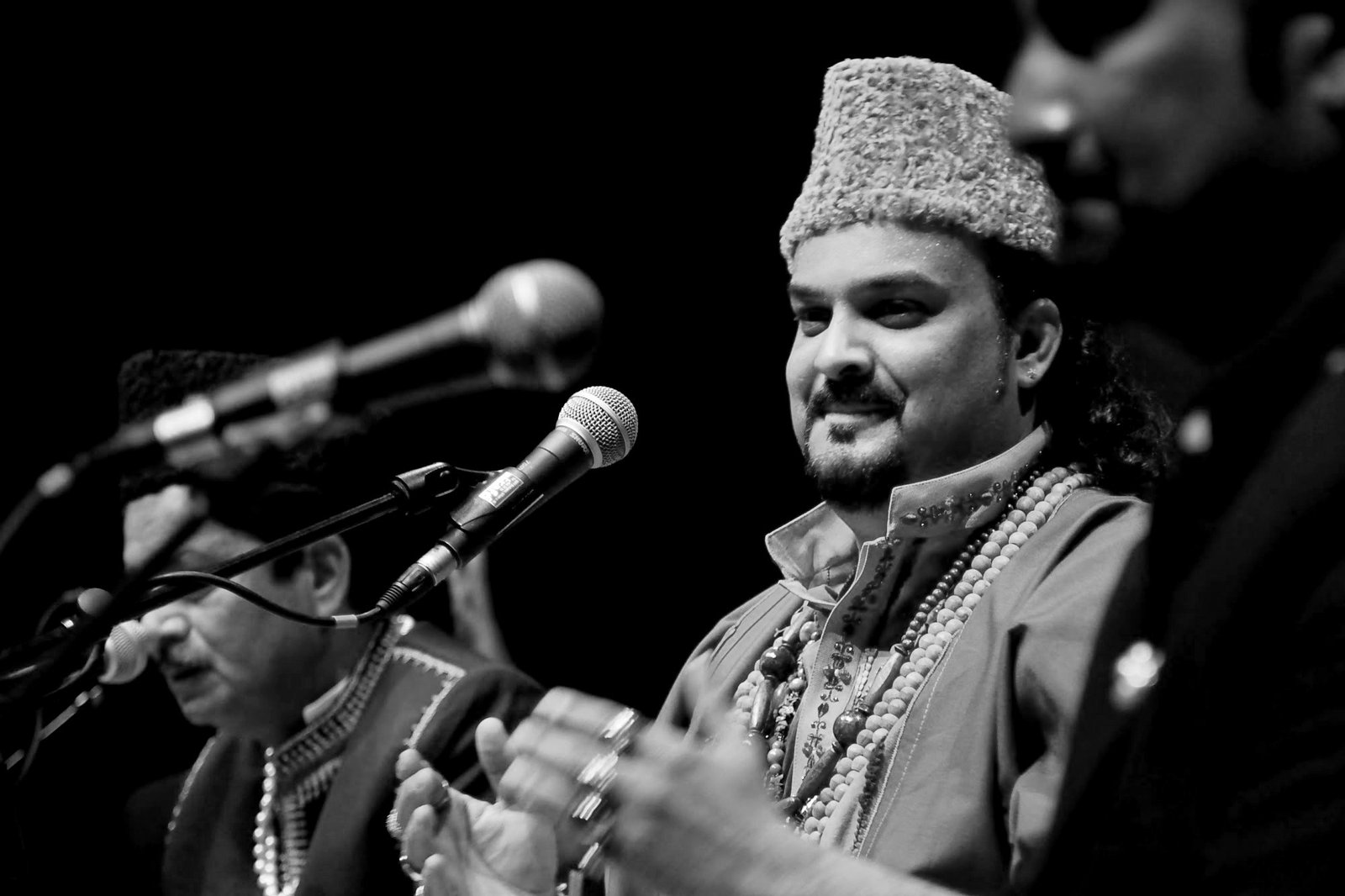

ISLAMABAD: The Counter Terrorism Department (CTD) has apprehended the mastermind responsible for the assassination of the renowned Qawwal Amjad Sabri, who fell victim to a targeted killing in 2016.
According to a statement released by the department, they arrested the accused, identified as Hafiz Qasim Rasheed, alias Ganja, in Patel Para, a locality in Karachi East. Qasim Rasheed is associated with Laskar-e-Jhangvi.
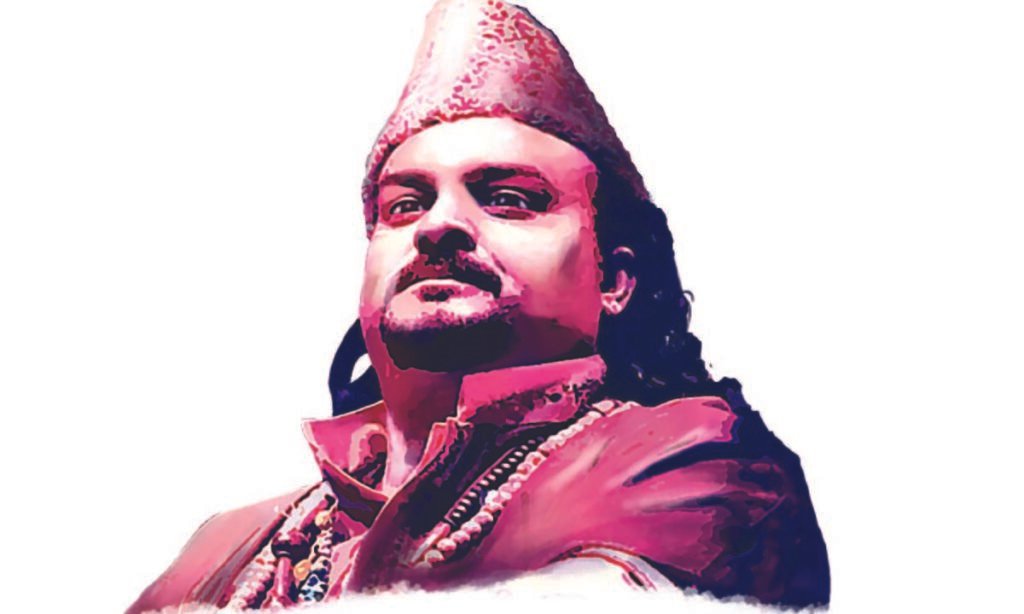
The statement further revealed that Qasim Rasheed had enlisted the help of Asim Capari and Ishaq Bobi in the murder of Amjad Sabri. Additionally, these individuals were found guilty of the murder of four Rangers personnel and two army personnel, as they were involved in targeted sectarian killings.
As per CTD’s crime records, Qasim had recently been released from prison and had begun planning to resume terrorist activities. He had been incarcerated for serious offenses, including the murder of Raza Haider and other terrorism-related cases.
Accomplices of the accused included individuals such as Waseem Baroodi, Abdullah, Danish, Hafiz Akhlaq, Parvez, Qari Inayat, and Abdullah Ilyas Timuri.
The CTD spokesperson disclosed that Qasim Rasheed, the arrested terrorist, had been orchestrating his network from within the confines of the prison. He has confessed to the murders of Assistant Superintendent Jail Pir Masood, Deputy Superintendent Abdul Razzaq Abbasi, as well as several security personnel and police officers.
The CTD also recovered hand grenades, pistols, and explosive materials, and the police have initiated an investigation into the registered cases against the culprits.
Pakistan Succesfully Test-Launches Ghauri Weapon System
Meanwhile, according to a statement from the Inter-Services Public Relations, the launch successfully tested the operational and technical readiness of the ASFC. The launch was witnessed by ASFC’s commander, senior officers from the strategic forces, as well as scientists and engineers from the strategic organization.
The statement mentioned that Commander ASFC praised the high standards of training and operational preparedness within the Army Strategic Forces, which was evident in the proficient handling of the Weapon System in the field and the successful achievement of operational and technical objectives.
