

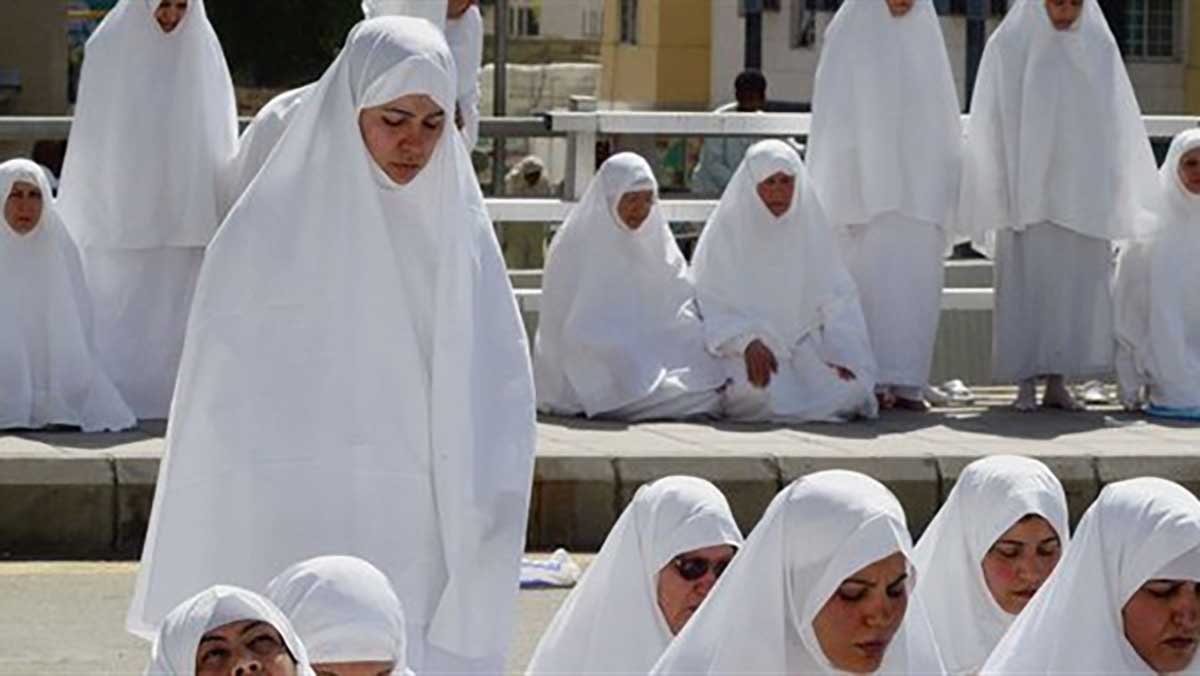

The Council of Islamic Ideology (CII) has conditionally permitted women to undertake the Hajj or Umrah without a male guardian or mahram, as outlined in its written response to an inquiry from the Ministry of Religious Affairs.
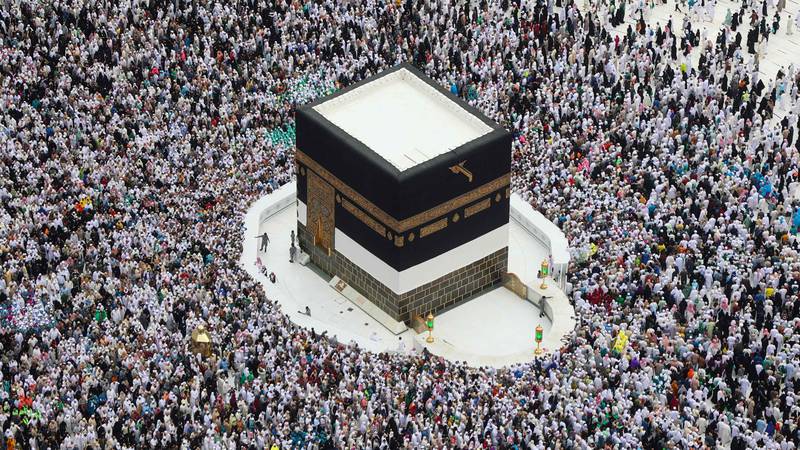
According to the CII, women are allowed to perform these pilgrimages without a male guardian if they are not in danger during their journey to the holy Islamic sites.
The council specifically highlighted that if a woman travels to Makkah and Madina accompanied by reliable female companions, she is permitted to undertake the pilgrimage without a male guardian, based on the legal principles of Ja’fari, Shafi’i, and Maliki. However, it emphasized that a married woman must seek permission from her husband, while an unmarried, widowed, or divorced female pilgrim should obtain consent from her parents.
In an initiative to enhance the lives of women facing social challenges or experiencing difficulty finding a mahram, Saudi Arabia had previously granted women worldwide the opportunity to perform the Umrah and Hajj without a mahram. Prior to this revision, women were generally required to travel for the Hajj or Umrah with a male guardian, with some exceptions allowing them to travel in larger groups of women.
As a constitutional body, the CII serves to advise legislators on the alignment of laws with Islamic jurisprudence or sharia. It is important to note that the parliament is not obligated to follow the recommendations of the council.
Revolutionizing The Hajj Experience: Caretaker Governement Unveils Groundbreaking Changes For 2024
Meanwhile, the Caretaker Prime Minister Anwaarul Haq Kakar-led federal cabinet has introduced significant changes to the Hajj Policy for the year 2024, aiming to streamline the pilgrimage process and enhance the experience for Pakistani pilgrims.
These approved amendments, a result of meticulous deliberation and recommendations from a dedicated committee, underscore the government’s commitment to ensuring better oversight and improving the overall Hajj journey.
