
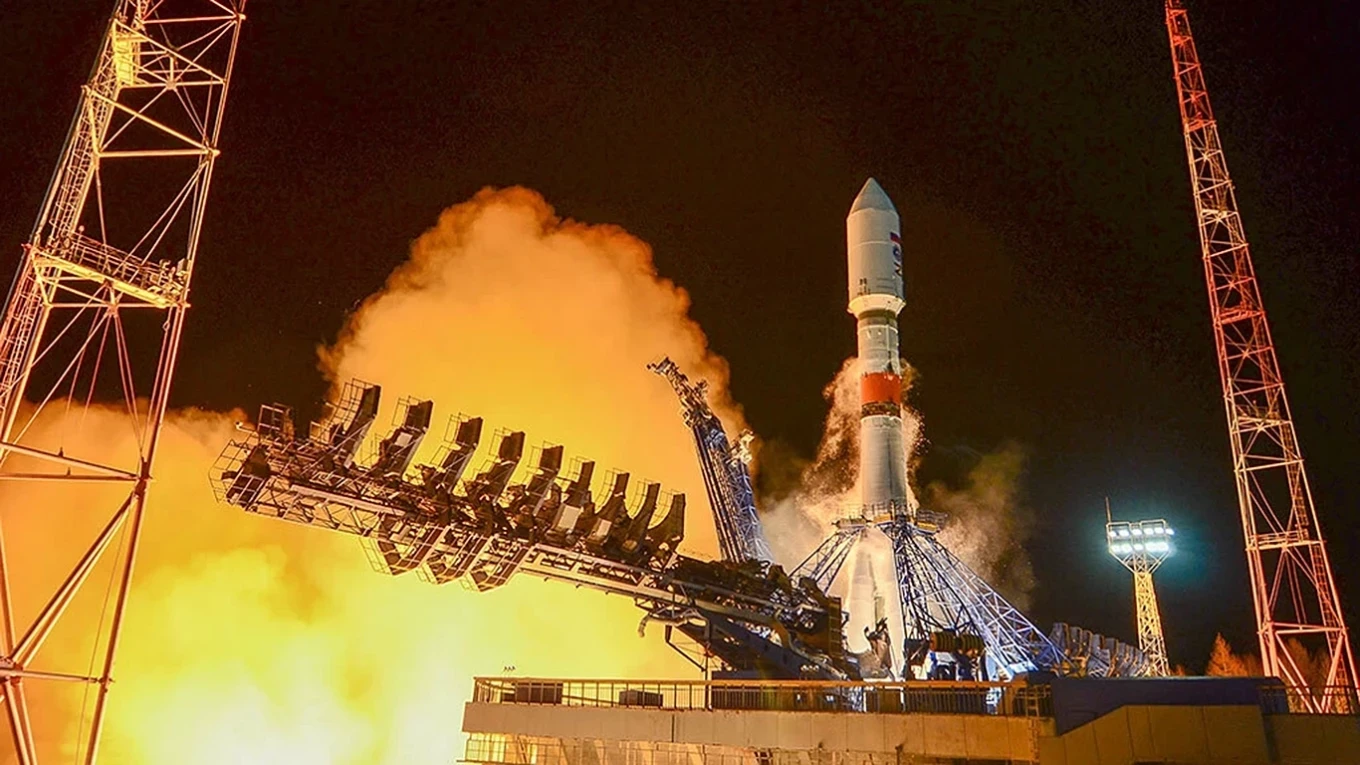

Russia is accelerating development of its own satellite internet network, with plans to place nearly 300 satellites in orbit by 2027. A Ukrainian intelligence official said Moscow has expanded the programme faster than initially expected. The system, known as Rassvet, could eventually provide Russia with a Starlink-style satellite network.
The development comes as satellite connectivity continues to play an important role in military communications and drone operations during the war in Ukraine.
Russia Expands Rassvet Satellite Network
Russia currently has 16 satellites operating as part of its Rassvet system, according to Major General Vadym Skibitskyi. Skibitskyi serves as deputy head of Ukraine’s GUR military intelligence service. He said Russia has accelerated satellite launches beyond its original schedule.
“They have already begun launching it much faster than originally planned,” said Skibitskyi.
The current system has limited coverage. According to the Ukrainian intelligence official, it can operate intermittently when one of its satellites passes over Ukrainian territory. However, Moscow reportedly has much larger ambitions for the network.
Russia plans to build a constellation of 292 satellites by 2027. The number could then rise to 924 satellites by 2035.
“Once Russia deploys a full satellite constellation, the system will operate like Starlink. Discussions are already underway on how to counter it,” he said.
Starlink Has Played Key Role in Ukraine
SpaceX’s Starlink network has provided Ukraine with important satellite connectivity during the war. The service operates in Ukraine but is not officially available in Russia. Its connectivity has supported battlefield communications and drone operations. Russian forces previously obtained Starlink terminals through unofficial channels and used them in areas of Ukraine.
However, Kyiv later pushed SpaceX to disable those terminals. The move reportedly affected Russian battlefield communications and became one factor in changing battlefield conditions. Russia’s development of its own satellite network could therefore reduce its reliance on foreign systems.
Russia Increases Missile Production
The Ukrainian intelligence official also provided an assessment of Russia’s missile production. Russia has continued launching different types of supersonic missiles against Ukraine. Meanwhile, Ukrainian forces have faced pressure from declining stocks of interceptor missiles.
Skibitskyi said Moscow had already reached its annual production targets for Zircon and Oniks missiles during the first seven months of the year. He also claimed Russia was exceeding its 2026 missile production targets by between 10 and 20 percent.
According to the official, Ukraine’s developing ballistic missile industry has become a priority target for Russian strikes. Drone production facilities have also emerged as important targets in Russia’s missile campaign.
Iskander-M Missiles Remain Key Weapon
Skibitskyi estimated that Russia currently holds around 130 Iskander-M ballistic missiles. He described the weapon as a key component of Russia’s supersonic strike capabilities. Russia reportedly produced another 65 Iskander-M missiles in July, according to the Ukrainian intelligence assessment.
The figures highlight the continued importance of missile production in Russia’s military strategy.
At the same time, the planned Rassvet expansion points to another developing aspect of the conflict. Satellite connectivity could become increasingly important for communications, drones and battlefield coordination.
If Russia achieves its planned satellite constellation, the network could significantly expand Moscow’s independent access to satellite communications.
That prospect is already drawing attention from Ukrainian officials. Kyiv will likely continue examining ways to disrupt or counter the system as Russia expands its space-based capabilities.
For now, the planned growth of Rassvet shows that the conflict is extending beyond conventional weapons. Satellite technology, communications infrastructure and missile production are increasingly becoming interconnected parts of the wider military competition.

