

Iran and Oman are continuing diplomatic discussions over the future of shipping through the strategically important Strait of Hormuz. Tehran says the talks are progressing positively as both sides work on arrangements for maritime traffic.
At the same time, Pakistan and Qatar are intensifying diplomatic contacts with Iran, the United States and regional partners. Their efforts reportedly aim to support an agreement that could pave the way for reopening the crucial waterway.
Iran and Oman Discuss Shipping Arrangements
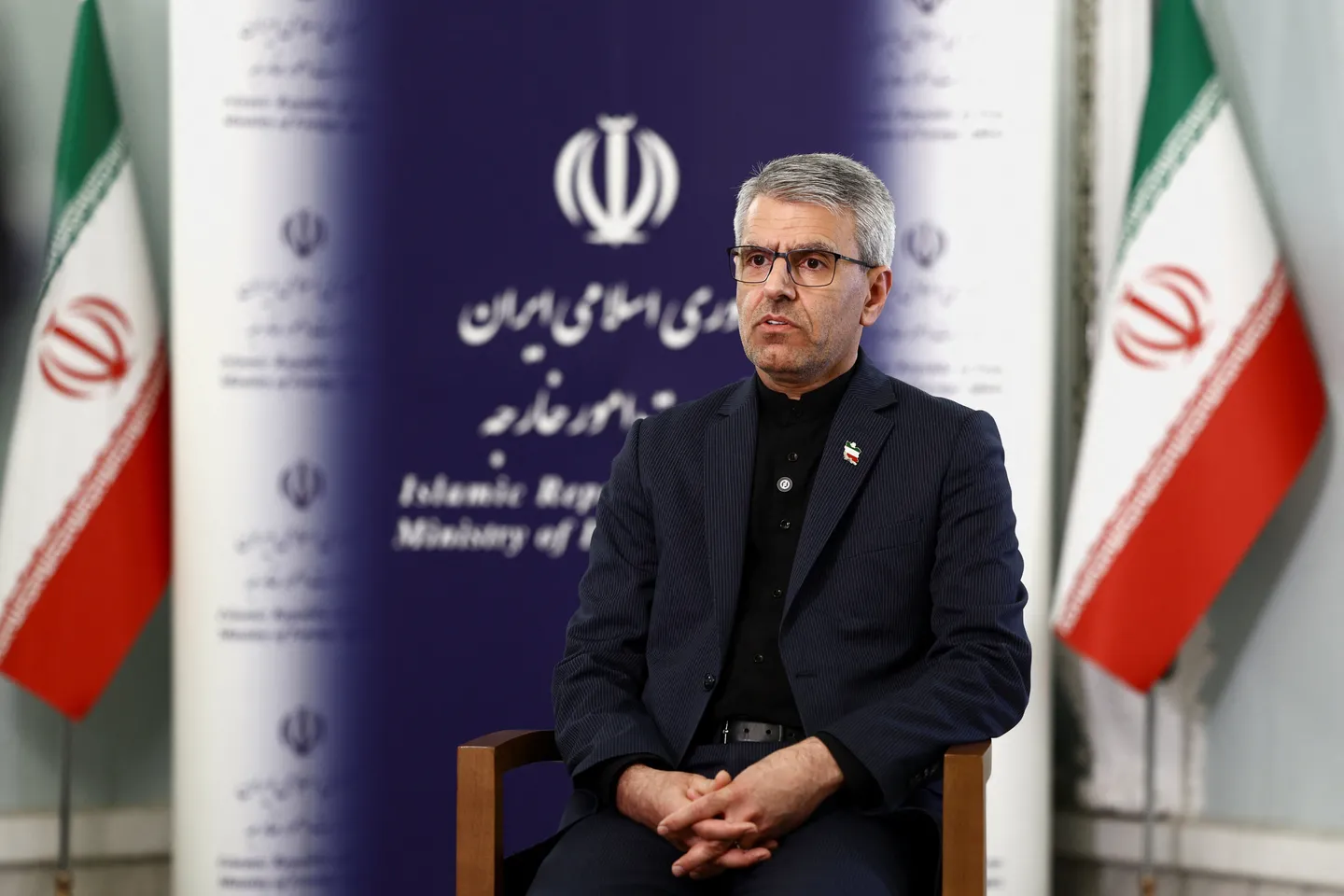
Iranian Foreign Ministry spokesperson Esmaeil Baqaei said discussions with Oman remain positive at both technical and political levels.
“The talks so far have been assessed positively at both the technical and political levels. Iran is trying to develop the necessary mechanisms for future arrangements for managing shipping traffic in this strategic passage, in cooperation with Oman,” Baqaei told Iran’s state-run broadcaster IRIB.
He said the outcome would be announced after the negotiations conclude.
“The outcomes of the talks “will be announced once they have concluded.”
According to Baqaei, the discussions focus on establishing safe routes for vessels entering and leaving the strait. The proposed arrangements would also consider the sovereignty and security interests of both Iran and Oman.
Pakistan and Qatar Intensify Mediation
Meanwhile, Pakistani and Qatari mediators are reportedly working on a document concerning the reopening of the Strait of Hormuz.
Government sources said indirect contacts between Washington and Tehran have entered their final stage. Pakistan and Qatar have reportedly increased communication with both countries and other regional partners.
“A major development concerning reopening of the Strait of Hormuz under the Islamabad Memorandum of Understanding is expected this week as Pakistan and Qatar have intensified diplomatic contacts with Washington, Tehran and several other regional partners,” said a source familiar with the developments.
Oman is also reportedly participating actively in the diplomatic efforts. The country has already been discussing future arrangements for managing maritime traffic with Tehran.
Proposed Agreement Focuses on Strait
According to the sources, the proposed document is limited specifically to issues surrounding the Strait of Hormuz. Its implementation could subsequently help restart direct negotiations between Iran and the United States.
Under the reported arrangement, Iran would reopen the strait. In return, the United States would lift its blockade of Iranian ports.
The document reportedly does not address Iran’s nuclear programme. Instead, mediators are focusing specifically on maritime access and related arrangements.
After the agreement takes effect, mediators would work with Washington and Tehran to determine a date and location for renewed direct talks.
Iran and US Disagree Over Shipping Fees
Despite progress, several disagreements remain between the two sides. Shipping fees have emerged as one of the main sticking points.
“The US side is insisting that the Strait of Hormuz should be completely toll-free for commercial shipping as it was before the start of the war. While Tehran wants a ‘service fee’ to cover environmental and security costs,” they said.
Mediators are reportedly searching for a compromise between the two positions.
The sources said Tehran also opposes establishing separate shipping corridors within the strait.
Potential Shipping Corridor Deal
A potential arrangement could divide maritime traffic between routes close to the Iranian and Omani coasts. Under the reported proposal, vessels entering the Gulf would use a channel near Iran.
Outbound vessels would instead travel through a channel closer to Oman. Iranian officials have reportedly indicated that vessels would not face traditional tolls under such an arrangement.
However, a service fee could cover environmental impacts, security requirements and staffing expenses. The revenue would reportedly be divided equally between Iran and Oman.
Future of US-Iran Talks Remains Uncertain
Washington and Tehran previously signed a memorandum on June 17. The agreement called for negotiations toward a permanent settlement on several contentious matters. Those discussions included Iran’s nuclear programme and were expected to advance within 60 days. However, the outbreak of hostilities has created uncertainty around the agreement’s future.
For now, diplomatic efforts are focusing heavily on restoring safe commercial traffic through the Strait of Hormuz. A successful arrangement could also create space for broader negotiations between Washington and Tehran. However, unresolved questions over shipping fees, security arrangements and maritime routes could still influence the timing of any reopening.

