
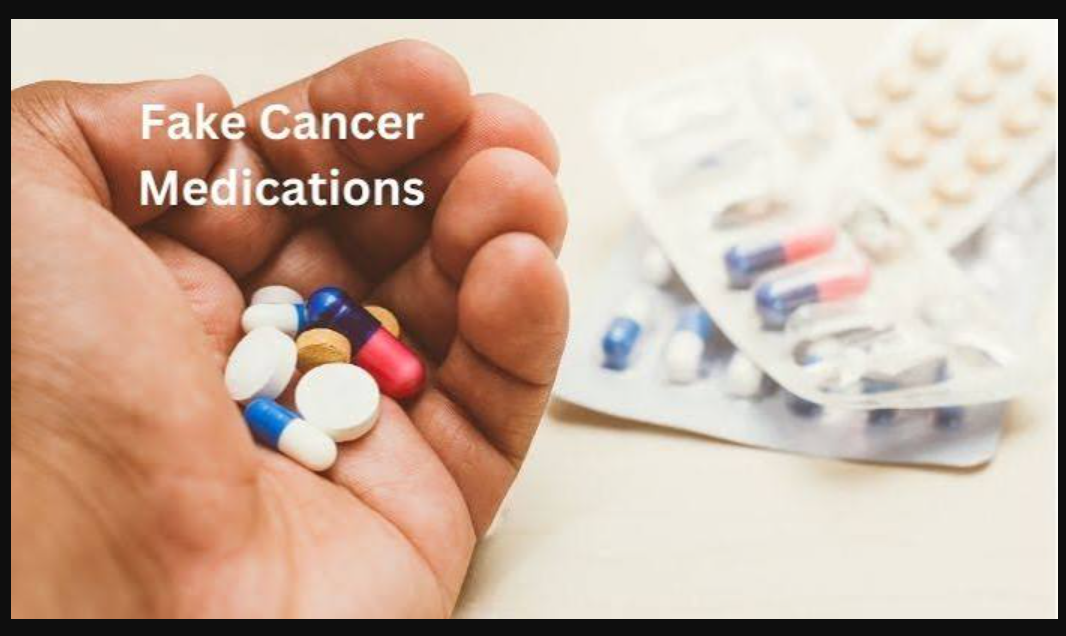

A serious public health concern has emerged after the Sindh Drug Testing Laboratory declared nine medicines used for cancer treatment as fake, substandard and unregistered. The findings have prompted regulatory authorities to begin enforcement action, as officials warn that the compromised medicines could pose significant risks to oncology patients across Sindh.
The laboratory’s findings have also raised fresh concerns about the circulation of illegal medicines and the safety of patients who rely on life-saving cancer treatments.
Laboratory Identifies Serious Deficiencies
Director of the Sindh Drug Testing Laboratory, Syed Adnan Rizvi, confirmed that the laboratory had completed testing of the seized medicines. Following the findings, the relevant regulatory and enforcement agencies initiated action against those responsible for distributing the products.
According to Rizvi, laboratory analysis revealed multiple critical deficiencies in the medicines examined. Several samples lacked the active pharmaceutical ingredients necessary for effective cancer treatment. Consequently, patients receiving these medicines may not obtain the intended therapeutic benefits.
In addition, investigators found that several medicines did not carry a valid registration number issued by the Drug Regulatory Authority of Pakistan (DRAP). This finding indicated that the products were circulating illegally within the market.
Concerns Over Illegal Medicines
The presence of unregistered medicines has intensified concerns regarding pharmaceutical oversight and patient safety. Since cancer patients often require continuous treatment, the availability of fake or substandard medicines may place vulnerable individuals at greater risk.
Health experts stress that properly registered medicines undergo regulatory review before entering the market. Therefore, medicines without valid registration raise serious questions about their quality, safety and authenticity.
The latest findings have encouraged authorities to strengthen monitoring efforts throughout the pharmaceutical supply chain.
Director Raises Prescription Practice Concerns
While discussing the issue, Syed Adnan Rizvi also expressed concern about certain prescription practices within the healthcare system.
He stated that some oncologists reportedly write the names of specific pharmacies on patient prescriptions. As a result, many cancer patients feel compelled to purchase their medicines only from those designated outlets.
According to Rizvi, this practice may limit patients’ options when obtaining essential medicines. He suggested that greater transparency would help improve patient confidence in the healthcare system.
Regulatory Action Underway
Following the laboratory’s report, regulatory authorities have already begun enforcement measures based on the findings.
Officials are expected to expand inspections of retail pharmacies and hospital pharmacies across the province. At the same time, authorities aim to strengthen compliance with pharmaceutical regulations to prevent the distribution of fake and unregistered medicines.
These measures seek to improve medicine quality and enhance patient protection throughout the healthcare system.
Health Risks Remain a Serious Concern
The Director of the Sindh Drug Testing Laboratory warned that compromised medicines pose a serious threat to public health, particularly for patients undergoing cancer treatment.
Officials believe stricter monitoring, stronger regulatory enforcement and improved compliance will help reduce the circulation of illicit pharmaceutical products. They also hope these efforts will ensure that patients receive safe, quality-assured medicines through authorised healthcare channels.

