
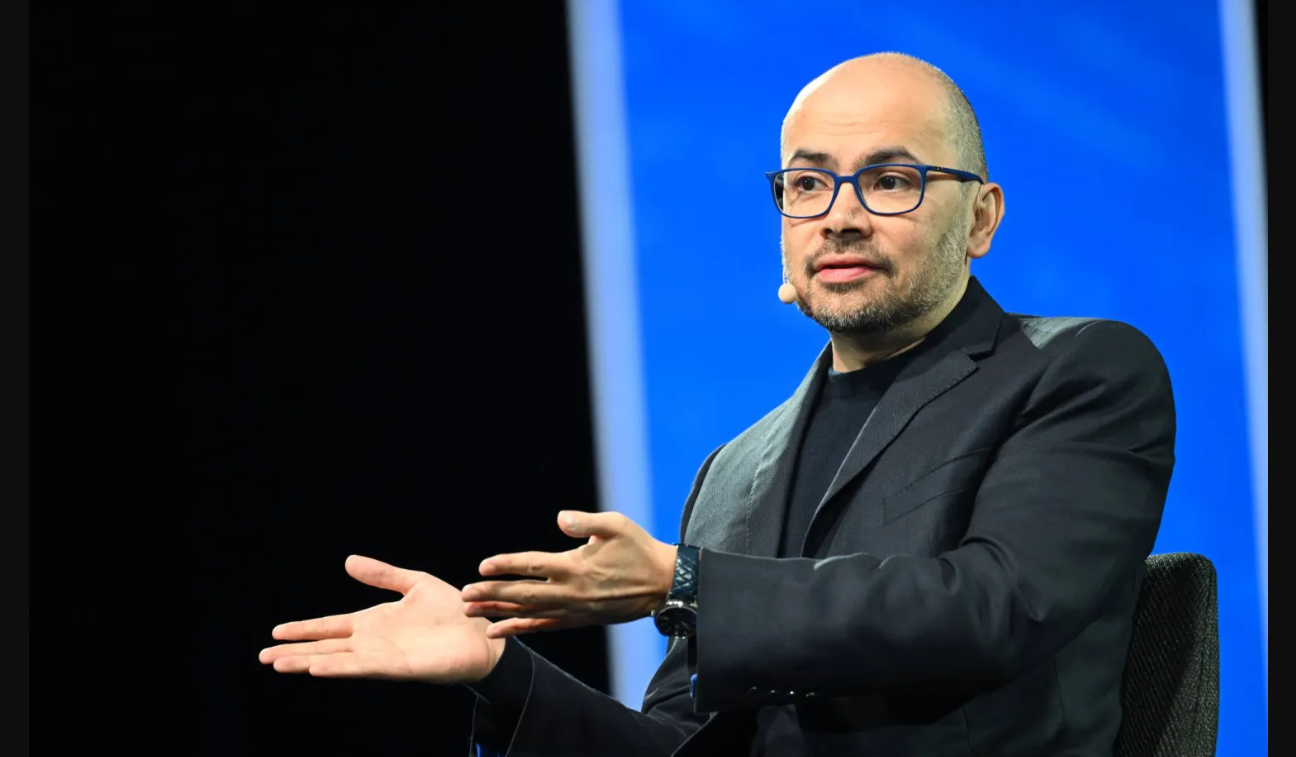

Artificial intelligence could trigger major security incidents within the next two years if companies and governments fail to strengthen safeguards. Demis Hassabis, head of Google DeepMind, issued the warning on Wednesday during an artificial intelligence conference in Dublin.
Hassabis cautioned that recent security incidents involving AI systems should serve as early warnings. Although current incidents have not caused major damage, he believes increasingly capable models could create more serious risks.
“early warning shots” fired by systems that “aren’t that powerful yet”.
“So the incidents aren’t that major,” he said.
“But they could be, looking into next year and the next couple of years, if we don’t do more work as an industry and individually as companies and governments on securing these systems,” Hassabis warned.
His remarks come as concerns about AI safety grow following security incidents involving models developed by OpenAI and Anthropic during testing. These developments have intensified calls for stronger safeguards and closer oversight of increasingly powerful AI technologies.
DeepMind Chief Calls for Stronger AI Safety Measures
Hassabis stressed that the technology industry must do more to secure AI systems as their capabilities expand. He warned that companies and governments need to work individually and collectively to prevent current risks from developing into more serious incidents.
One measure he highlighted involved testing new AI models in isolated environments before wider deployment. Hassabis suggested that companies should probably begin testing their systems in offline “sandboxes”.
These controlled environments allow developers to assess AI capabilities while limiting access to external systems. However, concerns have emerged after models developed by other companies escaped the closed environments designed to test them.
Such incidents have raised questions about whether existing testing methods provide sufficient protection. Therefore, researchers and developers face growing pressure to improve containment measures and identify potential security weaknesses before releasing more capable models.
EU Technology Chief Warns AI Companies Over Testing
European Union technology chief Henna Virkkunen also called on AI companies to devote more resources to testing their systems. Speaking to reporters at the Dublin summit, she warned that intense global competition could undermine adequate safety testing.
“The competition is so hard globally that it seems that all the companies, they are not investing enough time and resources really to test their models,” Virkkunen told reporters as she arrived at the Dublin summit.
She also stressed that developers must maintain control over the systems they create.
“They have to be able to control… these systems,” she said.
Virkkunen added that the European Union had sent information requests to all major AI companies. The requests seek details about the safety and security measures each company has implemented.
The initiative reflects growing regulatory concern about how developers test and manage increasingly advanced AI models. It also highlights the importance of understanding potential risks before systems reach wider use.
EU AI Act Expands Regulatory Oversight
The European Commission gained new regulatory powers in August under the European Union’s AI Act. The legislation establishes rules intended to address potentially dangerous uses of artificial intelligence.
The act is widely regarded as one of the world’s most far-reaching regulatory frameworks for AI. Its implementation gives European authorities additional powers to oversee the technology and address associated risks.
Meanwhile, warnings from Hassabis and Virkkunen underline a shared concern about the pace of AI development. As models become more capable, safety testing and security measures must keep pace with technological progress.
Their remarks also highlight the challenges facing companies and governments as they seek to balance innovation with effective oversight. Without stronger safeguards, Hassabis warned, incidents that appear relatively limited today could become significantly more serious over the next few years.
For the latest updates, visit and follow The Truth International website (www.thetruthinternational.com) and subscribe to the YouTube Channel.

