

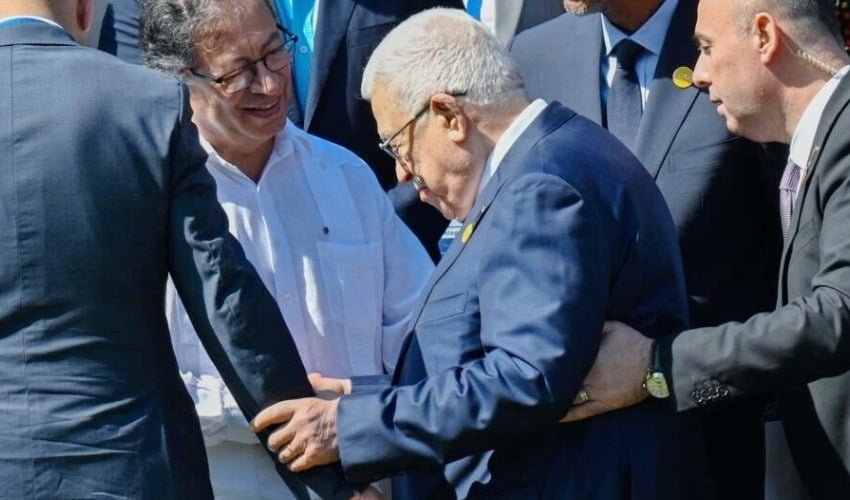

ISLAMABAD: Colombia has asked Israel’s ambassador, Gali Dagan, to leave the country as a result of a diplomatic dispute over comments made by Colombian President Gustavo Petro regarding the Israel-Hamas conflict.
Foreign Minister Alvaro Leyva called for the ambassador to apologize and leave after he criticized Petro’s comparison of Israeli actions in Gaza to the Nazi persecution of Jews. Petro accused Israeli Defence Minister Yoav Gallant of using language similar to what the Nazis said about Jews.
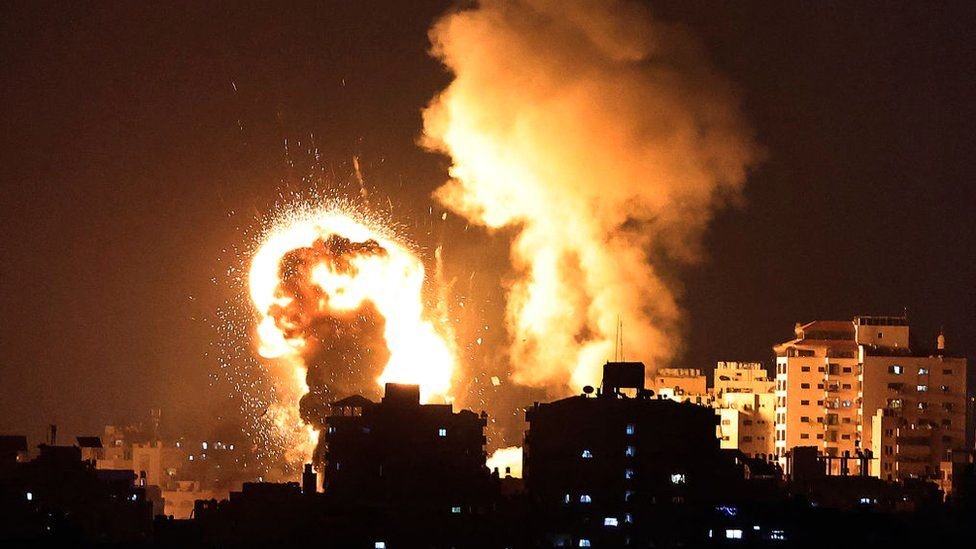
The conflict escalated after Israel declared war on Hamas following a surprise attack by the militant group on October 7, resulting in over 1,400 deaths. Israel’s retaliatory bombardment in Gaza has led to the deaths of at least 2,750 Palestinians.
The Colombian president stated that democratic nations should not allow Nazism to return to international politics. In response, Israel announced it would halt security exports to Colombia, citing Petro’s “hostile and anti-Semitic statements” and summoned Colombia’s ambassador, Margarita Manjarrez. Petro denied supporting ‘genocide’ and expressed willingness to suspend foreign relations with Israel if necessary. Colombia has a history of close diplomatic and military ties with Israel, and the country’s armed forces use Israeli-made weaponry.
Online Clash Over Gaza: Colombian President vs. Israeli Ambassador
Petro and Ambassador Dagan engaged in an online exchange, with Dagan inviting Petro to visit Holocaust memorials. Petro has also engaged in an online war of words directly with Ambassador Dagan, who had urged the Colombian president to condemn a “terrorist attack against innocent civilians.” In his response, Petro said, “Terrorism is to kill innocent children, whether it be in Colombia or in Palestine.” Dagan then invited Petro to visit the Holocaust memorial in Jerusalem and the Auschwitz-Birkenau death camp, which the president retorted he saw being “copied in Gaza.” The Colombian president emphasized, “No democrat in the world can accept Gaza being turned into a concentration camp.”
Initially, Colombia’s foreign ministry had issued a statement to “vehemently condemn the terrorism and attacks against civilians that have occurred in Israel” and expressed solidarity with the victims of the Hamas attack. Colombia’s foreign ministry later removed the statement and replaced it with a version omitting any mention of terrorism.
