


Winter Snowfall Arrives Late Across Gilgit-Baltistan
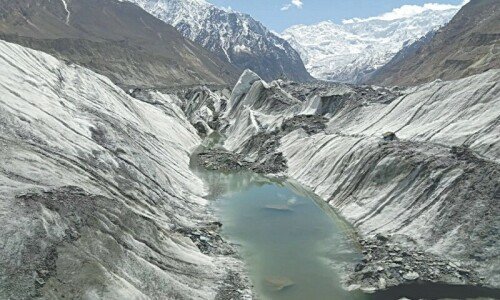
Climate change impacts are becoming more visible in Gilgit-Baltistan this winter. The region is facing unusually low snowfall. Mountains that are usually white remain mostly bare and rocky. This has raised serious concerns among residents and experts.
Light snowfall was recorded in several areas on Friday and Saturday. These areas included Skardu, Kharmang, Shigar, Ghanche, Astore and Ghizer. According to officials, the snowfall was minimal. Skardu received only two to three inches of snow on Saturday. Parts of Ghizer experienced intermittent snowfall over the last two days.
The Pakistan Meteorological Department has forecast more rain and snowfall in some areas. This weather system is expected to continue until January 23. However, locals fear the snowfall may still remain below normal.
Residents of Hunza and Nagar also reported light snowfall last week. Despite this, most valleys stayed dry. The surrounding mountains lacked the thick snow cover seen in previous years.
Residents Alarmed by Snow Drought and Rising Temperatures
Local residents say snowfall patterns have changed significantly. Muhammad Ali Alam, a resident of Skardu, said heavy snowfall usually occurs by mid-January. This year, the first snowfall arrived only recently. He said the mountains should already be snow-covered.
He added that people have noticed reduced snowfall for the past two years. According to him, winters are becoming drier and warmer.
Karim Hayat from Hussaini village in Upper Hunza’s Gojal valley shared similar concerns. He said snowfall normally begins in late November. This year, the region faced a snow drought until January.
He warned that light snow on mountain peaks melts quickly under sunlight. He also noted that temperatures stayed unusually high until the end of December.
In Astore, residents reported similar conditions. Saeed Farooqi from the Tirashig area said the district is usually blanketed in snow by now. This year, January passed with dry conditions.
Experts Link Changing Snowfall to Climate Change
Environmental experts say winter patterns across Gilgit-Baltistan have shifted. Snowfall now starts later and remains lighter. Temperatures are also higher than normal.
Gilgit-Baltistan Environmental Protection Agency Director Khadim Hussain said climate change is disturbing the region’s fragile ecosystem. He explained that snowfall is now shifting to mid-January and February.
Late snowfall fails to compact into ice. This reducesn glacier formation. It also increases the risk of rapid melting during summer. This can cause floods in downstream areas.
He said climate change is the main factor. However, local activities are worsening the problem. These include deforestation, unplanned road construction and growing tourism.
Other factors include increased traffic emissions and human settlements near glaciers. Burning tyres, animal dung and cutting forests for firewood also harm glaciated areas.
According to GBEPA data, average temperatures in Gilgit-Baltistan rose by 0.6 degrees Celsius between 1987 and 2013. The region has seen more flash floods and faster glacier melt in recent years.
Experts warn that without urgent action, these climate threats will intensify.
