


ISLAMABAD: A civil court in the federal capital indicted Soumia Asim, the wife of a civil judge, in the case involving a brute torture of an underage housemaid, Rizwana.
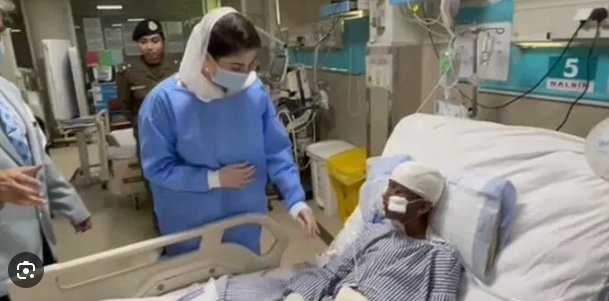
Rizwana spent over four months at Lahore General Hospital, undergoing multiple surgeries to recover from her injuries. She was discharged from the hospital on December 5th of the previous year.
The proceedings of the Rizwana torture case were overseen by Civil Judge Umer Shabbir, with Soumia Asim and her mother present during today’s hearing.
During the session, Soumia was formally charged in court, though she denied the accusations against her.
Subsequently, the court adjourned the hearing until March 20th after summoning witnesses for the case.
Background: The incident involved the alleged brutal torture of a 14-year-old maid by the wife of a civil judge in Islamabad. The girl’s parents filed a case at a local police station.
According to reports, Asim Hafeez, the husband of the accused, allegedly subjected the maid, Rizwana, to severe torture, accusing her of stealing gold jewelry.
The family of the victim stated that Rizwana had been working as a domestic servant at the residence of the civil judge in Islamabad for six months.
They alleged that she endured harsh treatment at the hands of the judge’s wife and was not paid any salary during her employment.
Earlier, the Islamabad High Court (IHC) has transformed a plea seeking the dismissal of Civil Judge Asim Hafeez concerning the alleged torture of a teenage housemaid employed at his residence into a writ petition. To assist the court in this matter, the court has appointed lawyers Faisal Siddiqui, Zainab Janjua, and Maryam Salman as amicus.
Furthermore, Chief Justice Aamer Farooq of the IHC has issued a written order from the previous hearing, putting the Islamabad Chief Commissioner on notice. The court observed that the allegations made in the petition require serious action.
Moreover, the court order stated, “The allegations presented in the writ petition demand careful consideration and action from government officials to address child labor in general and to curb the employment of minors, particularly as domestic aides.”
