
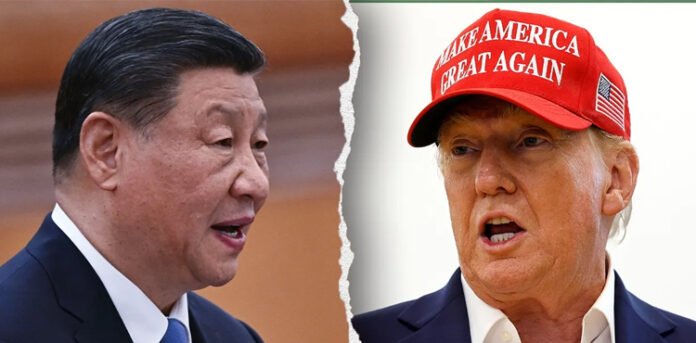

China is unlikely to assist the United States in reopening the Strait of Hormuz despite a request from President Donald Trump, while analysts say Beijing may benefit from Washington’s deepening involvement in the Middle East.
The developments come as the Iran war enters its third week, with oil shipments halted through the Strait and US allies declining to participate in securing the route. Consequently, concerns have emerged that China could gain geopolitical leverage from a conflict widely viewed as miscalculated.
Analysts argue that the delay of a planned summit between Trump and Xi Jinping reflects mounting pressure on Washington. They note that the US has struggled to reopen the vital shipping lane independently, highlighting limits to its influence.
Meanwhile, China’s Foreign Ministry avoided directly addressing whether it would assist, instead urging all parties to halt military operations and prevent further escalation. At the same time, Beijing confirmed that both sides remain in communication regarding rescheduling Trump’s visit, originally planned for March 31.
On Tuesday, Trump described relations with China as positive and said Beijing was comfortable with the delay. However, analysts suggested that the request for assistance on Iran has become less urgent for China to consider.
Additionally, Chinese diplomats have intensified engagement with Middle Eastern countries, presenting Beijing as a constructive actor seeking stability. China also delivered humanitarian aid to Iran through international organisations, signalling a balanced approach.
Observers said both Washington and Beijing may benefit from delaying the summit, as ongoing tensions and unresolved trade issues require further groundwork before high-level talks can produce meaningful outcomes.

