



Beijing, the world’s second-largest economy confronts significant hurdles in meeting its energy needs in the years to come in the face of a changing climate, as seen by China’s record-breaking heatwaves and droughts.
In the upcoming years, China’s already massive energy usage is expected to increase due to hotter and drier weather. This means that in addition to successfully managing the switch from fossil fuels to green energy, policymakers will also need to address weaknesses in the system’s network of renewables, such as hydro and wind.
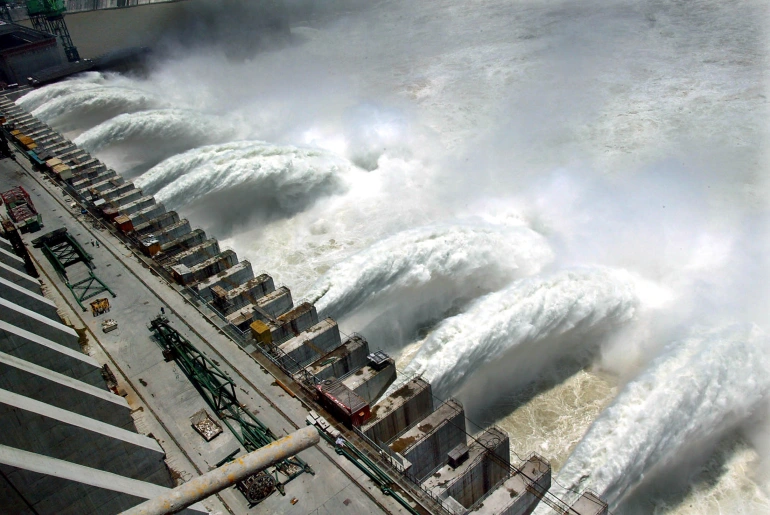
When droughts shut down hydroelectric plants along the Yangtze River last month, millions of people and companies in China’s southwest went without electricity, exposing the limitations of the country’s current renewable energy grid.
In order for China to meet its goals of reaching carbon neutrality by 2060 and peak carbon emissions by 2030, hydropower has been identified as a crucial pillar.
Even with those objectives in place, it would be difficult to meet the demands of businesses and citizens for cheap, dependable power.
