

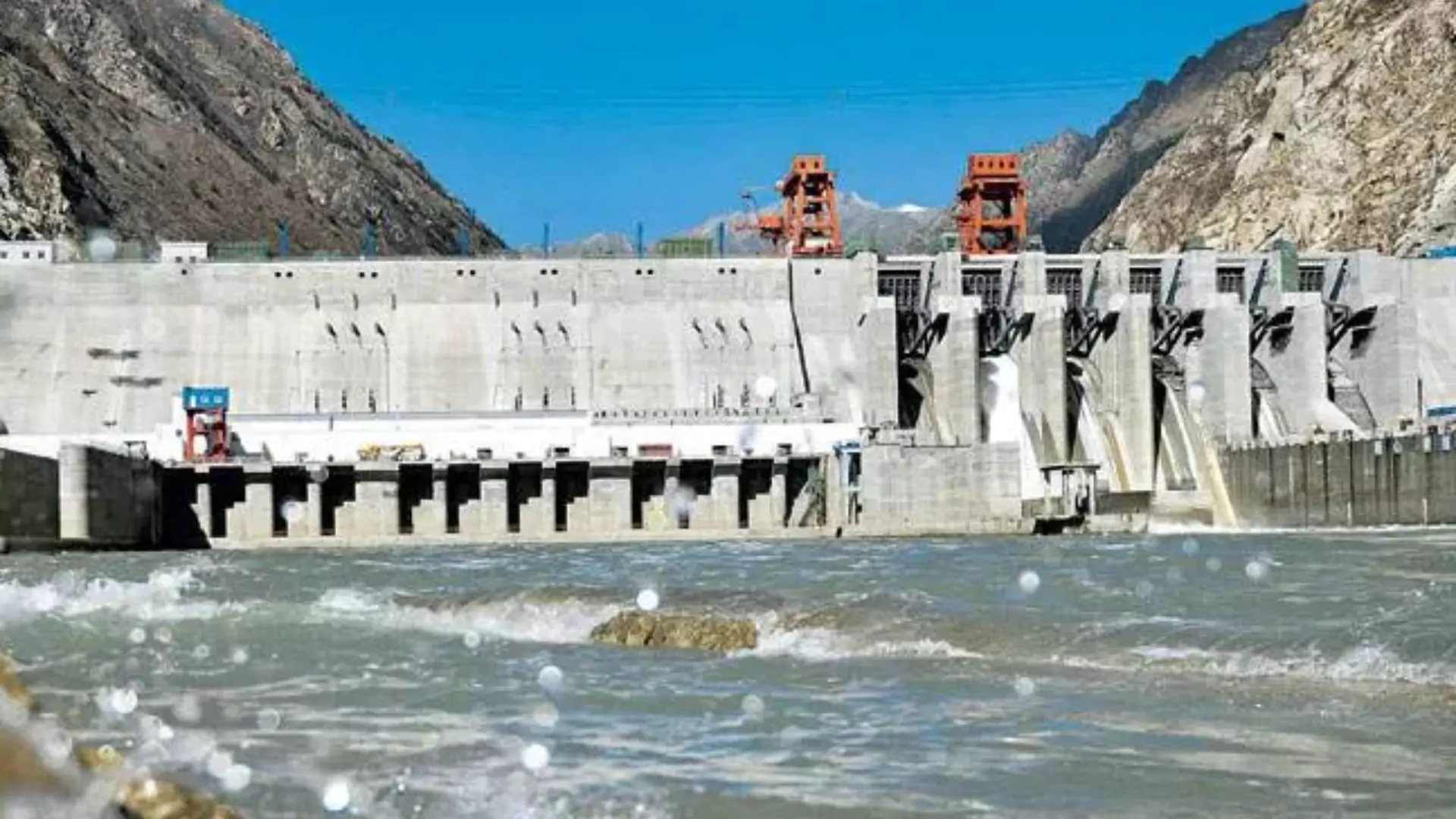

China has approved the construction of the world’s largest hydropower dam on the eastern edge of the Tibetan plateau, a massive project that could impact millions living downstream in India and Bangladesh.
The dam, to be built on the lower reaches of the Yarlung Zangbo River, is estimated to generate 300 billion kilowatt-hours of electricity annually. This output would be over three times the capacity of the Three Gorges Dam, currently the largest hydropower project globally, which has a designed capacity of 88.2 billion kWh.
According to the state-run Xinhua news agency, the project is pivotal to achieving China’s carbon neutrality goals, boosting related industries, and creating employment opportunities in Tibet. The dam is expected to surpass the Three Gorges Dam’s cost, which totaled 254.2 billion yuan ($34.83 billion), including the resettlement of 1.4 million people.
Located in a section where the Yarlung Zangbo descends dramatically by 2,000 meters over 50 kilometers, the project poses significant engineering challenges but offers immense hydropower potential. While Chinese officials assert that hydropower development in Tibet, holding over a third of the country’s hydroelectric potential, will have minimal environmental or downstream water supply impacts, concerns persist.
India and Bangladesh, key downstream nations, have raised objections, citing risks to the river’s flow, ecology, and water availability. The Yarlung Zangbo becomes the Brahmaputra River as it enters India’s Arunachal Pradesh and Assam, eventually flowing into Bangladesh.
China has already started hydropower generation on the river’s upper reaches and plans further projects upstream. However, the potential ecological and social consequences, including displacement and biodiversity impacts in Tibet, remain unclear, with no official estimates disclosed.
