

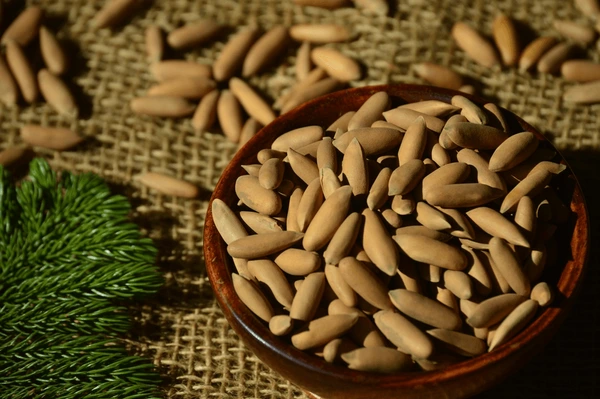

Prices of pine nuts (chilghoza) in Pakistan have seen a dramatic decline this year, dropping by an unprecedented 50 to 60 percent. Until recently, one kilogram of chilghoza typically sold for anywhere between Rs. 15,000 and Rs. 18,000. However, this season has brought a major shift in the market, with prices falling to Rs. 6,000 to Rs. 9,000 per kilogram.
In certain areas of Balochistan, particularly Zhob and Sherani, the situation is even more striking as pine nuts have been sold for as low as Rs. 3,000 to Rs. 5,000 per kilogram. This significant downturn has created both concern and opportunity, affecting various stakeholders across the region.
Farmers and traders in Balochistan attribute the sharp reduction in prices to multiple factors, the most prominent being the prolonged closure of the Pakistan-Afghanistan border. With the border shut, trade routes have been disrupted, limiting the movement of goods and reducing the demand typically fueled by cross-border buyers.
Additionally, insufficient rainfall has affected pine nut yields and further strained the market. Despite these challenges, traders acknowledge that the drop in prices has proved beneficial for consumers, who are taking full advantage of the sudden affordability of what is usually considered one of the most expensive dry fruits in the country.
Experts point out another important aspect influencing the price crash: the lack of proper cold storage facilities in Balochistan. Chilghoza is highly sensitive to temperature and moisture, and without adequate storage environments, it begins to lose weight and quality. This deterioration forces traders to sell their stock at reduced rates to avoid further losses.
As a result, the combination of storage issues, environmental conditions, and restricted trade has pushed the market into an unusual state of oversupply and falling prices. While consumers enjoy the temporary relief, farmers and traders continue to face uncertainty as they navigate an unpredictable season.
