

Seven-hour operation targets missile sites as regional tensions continue to escalate
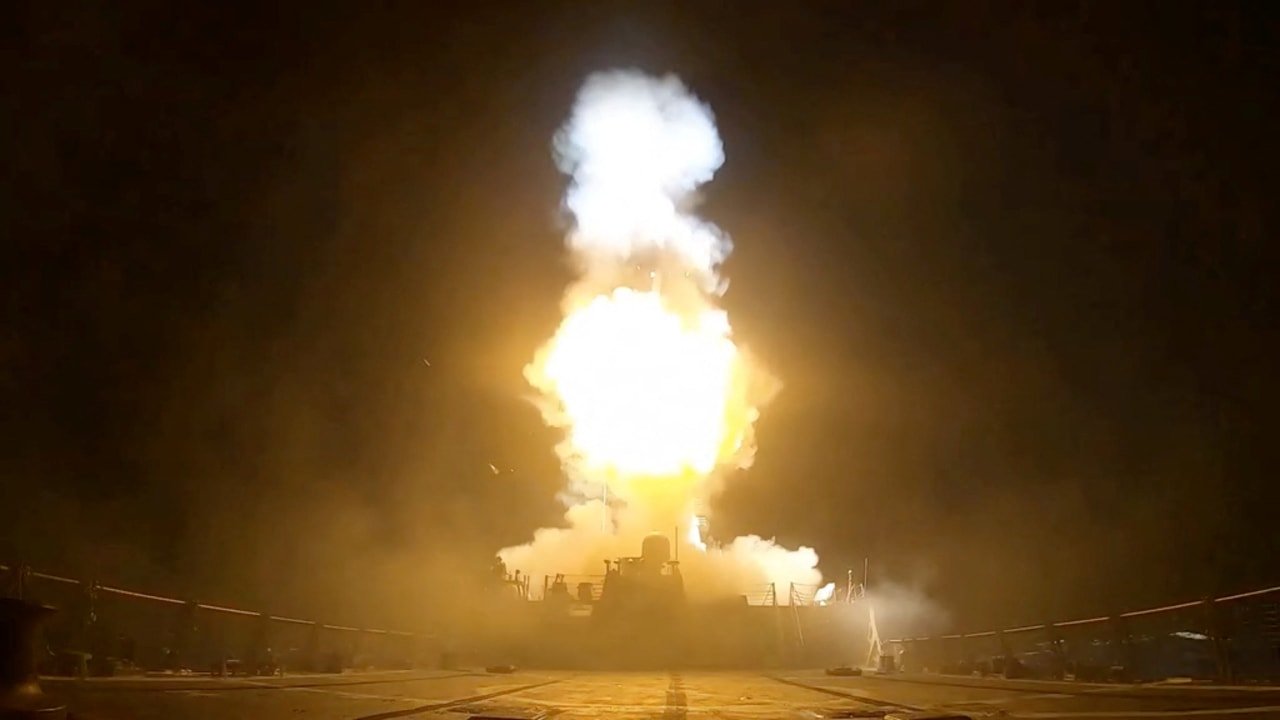
WASHINGTON: US Central Command (CENTCOM) announced on Wednesday that it had carried out a new wave of military strikes against Iranian targets near the Strait of Hormuz during a seven-hour operation involving fighter aircraft, naval vessels and unmanned aerial systems.
According to CENTCOM, the operation struck dozens of military objectives, including missile and drone launch sites, naval assets and coastal defense positions. The command said the strikes aimed to reduce Iran’s ability to threaten commercial shipping along one of the world’s busiest maritime corridors.
Meanwhile, Iran’s semi-official Mehr News Agency reported that air defense systems around the Bushehr nuclear power plant were activated, although Iranian authorities did not immediately issue an official statement. Iranian media also reported explosions near Sirik, eastern Hormozgan and Hengam Island, attributing some of the activity to clashes in the Gulf of Oman and the Strait of Hormuz.
Regional security concerns intensify as diplomacy remains open
The latest operation follows another round of US strikes announced on Tuesday targeting Iranian military capabilities linked to attacks on commercial shipping. CENTCOM also confirmed that the United States had reinstated maritime blockade measures in the region.
Iranian media reported additional explosions near Kish and Qeshm islands, while authorities in Kuwait announced that their armed forces intercepted multiple missile and drone threats targeting the country’s airspace. Bahrain also activated rocket warning sirens as regional security conditions deteriorated.
Despite the ongoing military operations, US officials indicated that Washington continues to leave the door open for diplomatic engagement. President Donald Trump said Iran had been given opportunities to negotiate but accused Tehran of escalating the conflict through military action.
Iran’s Islamic Revolutionary Guard Corps warned that continued US military operations would delay the reopening of the Strait of Hormuz and threatened regional energy exports if hostilities persist.
The latest developments underscore the increasingly fragile security environment across the Gulf as military operations continue alongside limited diplomatic contacts aimed at preventing a broader regional conflict.

