

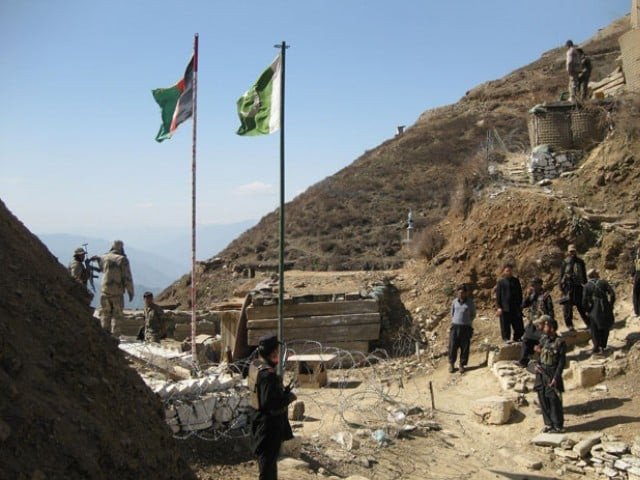

Pakistan’s Foreign Office (FO) clarified on Friday that the current ceasefire arrangement with Afghanistan is not a traditional military ceasefire, but one strictly tied to whether terrorist activity occurs from Afghan soil. The explanation comes amid deteriorating relations between Islamabad and the Afghan Taliban—now at their lowest point since the group took power in 2021.
Ceasefire Linked to Terror Attacks, Not Conventional Conflict
Tensions between the two countries have escalated sharply. Since October 11, border crossings have remained shut after ground clashes and Pakistani airstrikes along the 2,600-kilometre frontier. Dozens were killed on both sides, marking the worst violence since the Taliban’s takeover of Kabul.
Mediation efforts by Turkiye and Qatar led to multiple rounds of talks in Doha. The first meeting produced a fragile ceasefire, while the second resulted in a loose mechanism to verify compliance. However, the third round ended without any breakthrough, leaving the situation unstable.
This week, Kabul accused Pakistan of carrying out fresh airstrikes—allegations Islamabad strongly rejected. Afghan authorities threatened retaliation, increasing regional anxiety.
Addressing the issue during the weekly briefing, FO spokesperson Tahir Andrabi stated that the ceasefire must be understood in the context of terrorism, not warfare. He said the arrangement required that Afghan-sponsored terrorist outfits, including TTP and FAK, refrain from carrying out attacks inside Pakistan. “There have been major terrorist attacks after this ceasefire,” he noted, stressing that such incidents indicate the ceasefire is “not holding.”
Andrabi added that recent attacks in Islamabad and other cities involving Afghan nationals show why Pakistan cannot be optimistic. He emphasised that security forces are fully alert, and the military remains prepared for any threat emanating from Afghanistan.
Pakistan Links Recent Terror Attacks to Afghan Soil
Earlier this month, the information ministry revealed that all terrorists involved in the attack on Cadet College Wana in South Waziristan were Afghan citizens. Armed militants attempted to storm the college but were stopped by security forces, preventing a larger tragedy.
In another incident, Minister of State for Interior Talal Chaudhry confirmed that the suicide bomber who targeted the Islamabad district and sessions court was also not a Pakistani national. The attack killed 12 people and injured 36 in Islamabad’s G-11 area.
Prime Minister Shehbaz Sharif accused elements in Afghanistan and India of orchestrating terrorism against Pakistan. He vowed a “befitting response” to all enemies of the state. Defence Minister Khawaja Asif further warned that strikes on terrorist sanctuaries inside Afghanistan cannot be ruled out, especially after the attacks in Islamabad and Khyber Pakhtunkhwa.
As tensions persist, Pakistan maintains that security challenges will be addressed with full seriousness and vigilance, reaffirming its stance that the ceasefire is conditional and dependent solely on the cessation of terrorist activity from Afghan territory.
