


India and Pakistan, both nuclear-armed rivals, reached a sudden agreement to halt hostilities on Saturday following intense diplomatic efforts and pressure from the United States. The announcement brought a moment of relief as a potentially devastating conflict appeared to de-escalate.
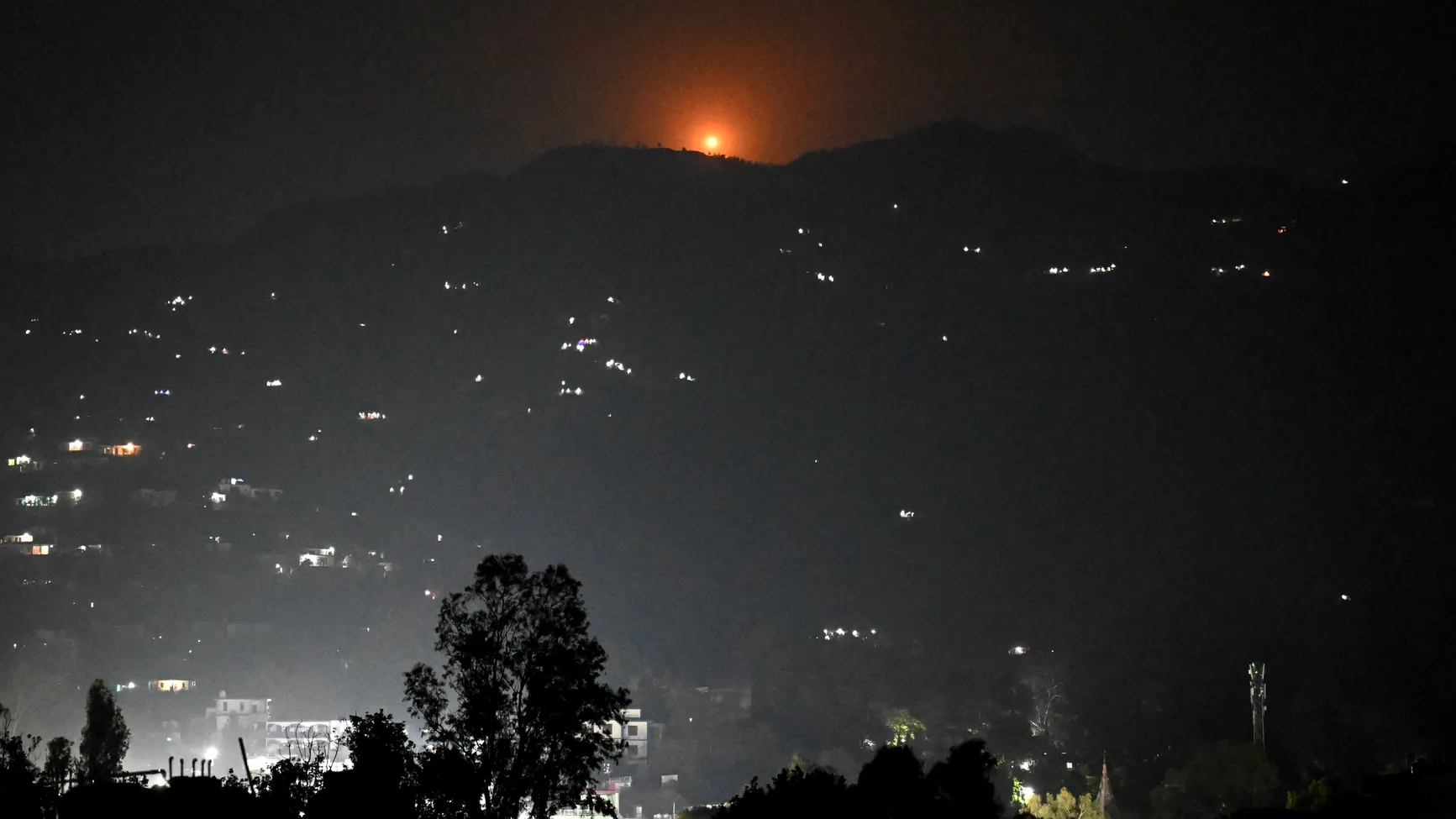
However, within hours of the ceasefire taking effect, reports of violations surfaced from several major cities in Indian-administered Kashmir. Explosions were reportedly heard in Srinagar and Jammu, while witnesses described seeing projectiles and flashes lighting up the skies over Jammu—echoing scenes from the preceding night.
Neither side’s military issued immediate statements in response to inquiries about the reported breaches.
The recent clashes had marked the most severe escalation between the two nations in nearly 30 years, sparking fears of an all-out war in one of the world’s most densely populated and volatile regions. At one point, concerns grew that the confrontation could escalate to the nuclear level, as Pakistan’s military confirmed that its top nuclear command body was convening.
Pakistan’s Foreign Minister Ishaq Dar confirmed the agreement on social media, stating: “Pakistan and India have agreed to a ceasefire with immediate effect. Pakistan has always championed peace and stability in the region while safeguarding its sovereignty and territorial integrity.”
Meanwhile, India’s foreign secretary noted that the military leadership from both countries had communicated and agreed to end all hostilities as of 5 PM, although the term “ceasefire” was not explicitly used.
Former U.S. President Donald Trump also weighed in, declaring on social media: “After a long night of talks mediated by the United States, I am pleased to announce that India and Pakistan have agreed to a FULL AND IMMEDIATE CEASEFIRE. Congratulations to both countries on using common sense and great intelligence.”
While the ceasefire brings hope, the fresh incidents in Kashmir raise questions about its durability and the need for continued diplomatic engagement to prevent renewed escalation.
