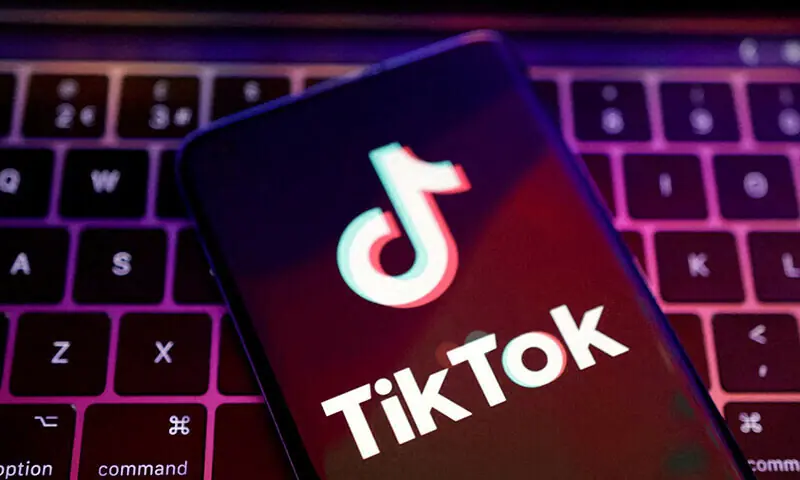

TikTok has introduced a new global tool to help politicians, public figures and popular creators detect AI-generated content that misuses their identities.
The feature, called Likeness Detection, aims to protect people from deepfakes created or shared without their consent. The platform is gradually rolling it out as concerns about AI-generated misinformation continue to grow.
How TikTok’s Likeness Detection Works
The new feature allows eligible users to identify videos and accounts that may be using their faces through artificial intelligence.
First, creators must opt in and verify their identities through a trusted third-party service. After verification, TikTok alerts them when its system detects potentially unauthorised uses of their likeness.
Users can then review the flagged content and report it directly to TikTok’s safety teams.
The company says it does not retain identity documents submitted during verification. Moreover, the feature gives public figures a more direct way to respond to AI impersonation.
Eligible users include creators with large audiences and government, politician or political party accounts.
TikTok Introduces a Separate AI Transparency Tool
Alongside Likeness Detection, TikTok has launched another tool that allows anyone to check certain AI-generated content.
Users can upload an image or video to determine whether TikTok’s AI tools created or edited it. The service also checks for Content Credentials and TikTok’s invisible VeraDura watermark.
Importantly, users do not need a TikTok account to access this transparency feature.
TikTok says it has labelled more than five billion AI-generated videos on its platform. However, its verification system relies on signals associated with TikTok and ByteDance’s AI tools.
Therefore, a negative result does not prove that content is genuine or that another AI platform did not create it.
Growing Concerns Ahead of European Elections
The launch comes as several European countries prepare for elections in 2027, including Italy, France and Greece.
TikTok says protecting election integrity remains a major responsibility as AI-generated misinformation becomes more sophisticated.
Francesca Scapolo, TikTok’s government relations lead for European elections, discussed the initiative at the company’s safety and innovation event in London.
Meanwhile, the European Union has begun implementing AI transparency requirements, including rules for labelling deepfakes.
YouTube has also introduced a similar likeness detection system for creators. These developments reflect growing efforts across social media platforms to address AI impersonation and protect digital identities.
For the latest updates, visit and follow The Truth International website (www.thetruthinternational.com) and subscribe to the YouTube Channel.