

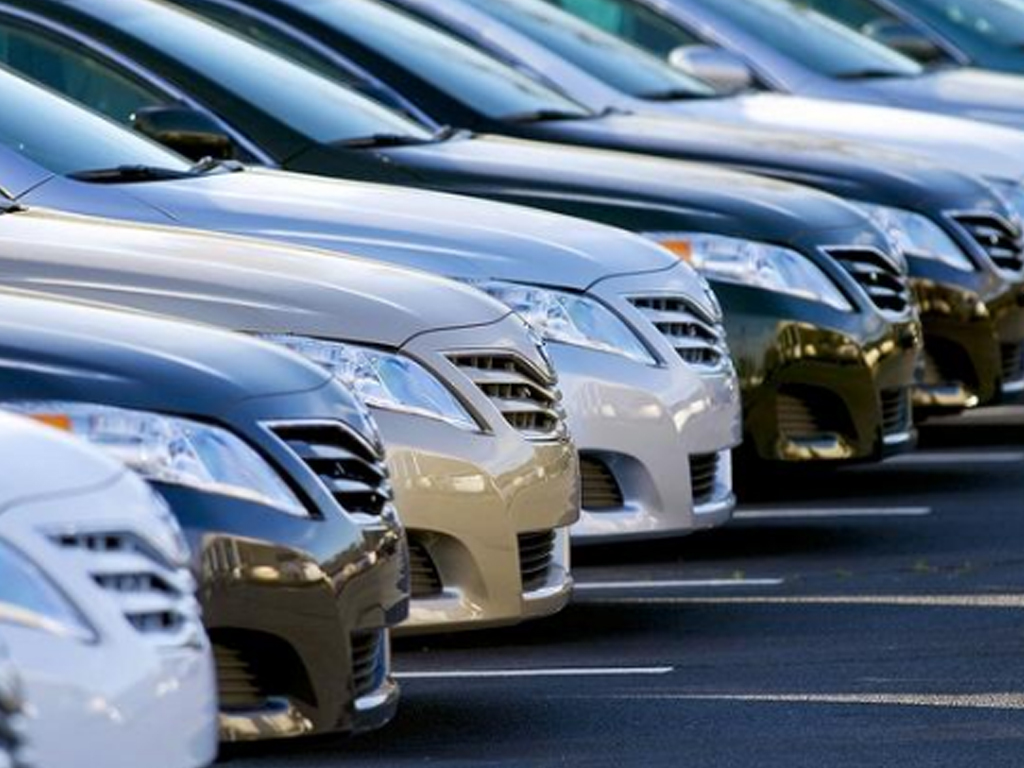

ISLAMABAD: The federal government has introduced a new tax on petrol and diesel vehicles in the Budget 2025–26, applying to all internal combustion engine (ICE) vehicles — both locally assembled and imported.
According to the Finance Bill 2025–26, the levy will be calculated based on engine capacity and charged as a percentage of the vehicle’s total value. It will be collected at the source from manufacturers and importers, though the burden is expected to be passed on to consumers.
Under the proposed structure:
- Vehicles with engines under 1300cc will incur a 1% levy
- Those between 1300cc and 1800cc will face a 2% levy
- Vehicles above 1800cc will be subject to a 3% levy
Additionally, a flat 1% surcharge will apply across all engine categories, potentially compounding the final cost for buyers.
While the policy covers all ICE vehicles, analysts suggest that luxury and imported models will experience the most significant price hikes. This could suppress demand, especially in a market already struggling with high production costs, limited imports, and weakened consumer purchasing power.
“The percentages may appear small, but for mid- to high-end cars, especially imports, the final price difference could be substantial,” said a senior executive at a leading automobile firm.
Toward Greener Roads?
The new levy is being widely interpreted as a precursor to a broader shift toward hybrid and electric vehicles (EVs). By increasing the cost of conventional fuel vehicles, the government appears to be signaling support for cleaner alternatives.
However, experts stress that such a transition will require substantial groundwork. Without meaningful investments in EV infrastructure — such as charging stations, supply chains, and financial incentives — the uptake of electric vehicles could remain limited.
“If the goal is to encourage EV adoption, this tax must be accompanied by policy clarity and support systems that make EV ownership viable for the average consumer,” noted auto industry analyst Faheem Ahmed.
