

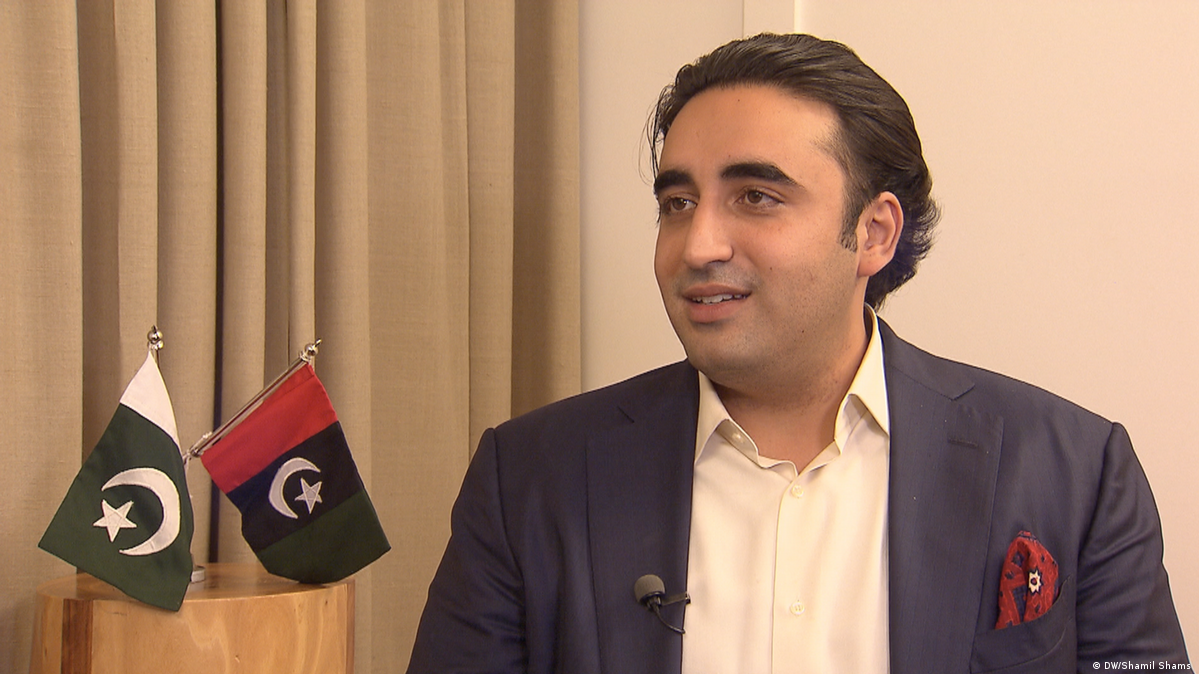

LAHORE: Pakistan Peoples Party (PPP) chairman Bilawal Bhutto-Zardari underscored the imperative for constructive dialogue among political factions to address the multifaceted challenges confronting the nation, including inflation, unemployment, poverty, and terrorism.
Speaking at a seminar titled “Bhutto Reference and History,” Bilawal articulated the pressing need for concerted efforts to alleviate the burdens of everyday citizens, beset by the escalating costs of living, dwindling job prospects, and social inequalities exacerbated by the specter of terrorism.
In tracing the ideological lineage of the PPP, Bilawal invoked the indomitable spirits of its founding luminaries, Zulfikar Ali Bhutto and Benazir Bhutto, championing their legacy of reconciliation as a beacon for contemporary political discourse.
Expressing dismay at the prevailing climate of acrimony and intolerance towards dissenting viewpoints, he reiterated the party’s steadfast commitment to the principles of dialogue and consensus-building, citing seminal constitutional milestones such as the formulation of the 1973 constitution and the collaborative passage of the 18th Amendment.
Against the backdrop of a recent judicial verdict pertaining to the case of Zulfikar Ali Bhutto, Bilawal lauded the tireless advocacy of PPP stalwarts, notably his mother, Shaheed Benazir Bhutto, in the pursuit of justice. Emphasizing the imperative of judicial reform, he underscored the pivotal role of parliamentary action in fortifying the judiciary and forestalling instances of systemic injustice akin to those endured by his father.
Expanding on PPP’s post-electoral endeavors, Bilawal extolled the party’s advocacy for renewable energy solutions and its instrumental role in shaping policy agendas at both federal and provincial echelons. With an unwavering commitment to a constructive, solution-oriented political ethos, he expressed sanguinity regarding the party’s capacity to effectively address the concerns of the populace and catalyze the nation’s onward trajectory towards prosperity and progress.
In essence, Bilawal’s address epitomized a clarion call for unity, dialogue, and principled governance as the linchpins of a resilient democratic polity poised to surmount the formidable challenges of the contemporary era.
