
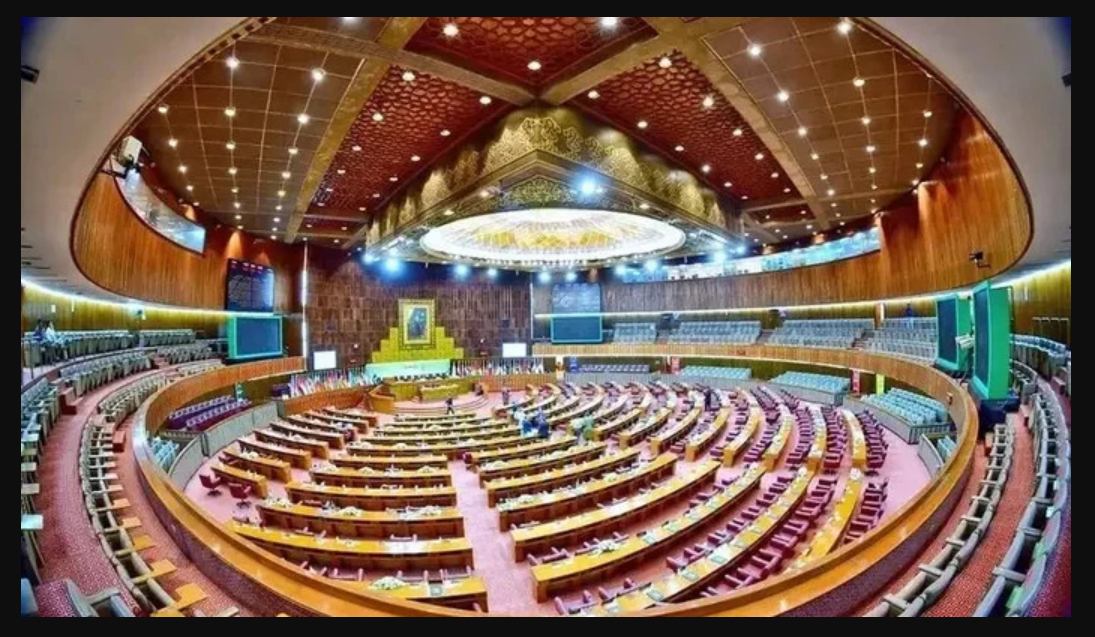

Women legislators are playing an increasingly influential role in Pakistan’s parliamentary process. Their growing participation reflects stronger engagement in shaping national policy debates.
During the second parliamentary year of the 16th National Assembly, female MNAs submitted 1,206 agenda items. This level of participation highlights independent legislative initiative and active policymaking involvement.
The data shows women lawmakers contributing far beyond traditional expectations.
Majority of Agenda Focused on National Policy
Analysis reveals that 72 percent of agenda items addressed core national policy matters. These included economic policy, taxation, governance, and national security discussions.
Such areas have historically been viewed as male-dominated policy spaces. However, female legislators increasingly contribute to these critical debates.
Meanwhile, constituency issues accounted for 18 percent of submissions. Gender-specific legislation represented only six percent of the total agenda items.
Therefore, women lawmakers demonstrated broad engagement rather than limited policy focus.
Evidence Challenges Common Public Assumptions
Public discourse often assumes female legislators mainly prioritize women’s rights or social welfare issues. However, parliamentary data presents a different reality.
Female MNAs actively raised questions related to economic reforms, security concerns, taxation frameworks, and parliamentary procedures. Consequently, their legislative participation covered a wide policy spectrum.
This trend challenges longstanding stereotypes about women’s roles in politics.
Method Behind the Parliamentary Analysis
Researchers categorized each agenda item using a structured subject-matter framework. The classification included national policy, constituency matters, gender-related legislation, and procedural issues.
The evaluation relied on official parliamentary records covering March 1, 2025, to February 28, 2026. Analysts assessed both participation volume and thematic diversity.
Legislative effectiveness depends not only on activity levels but also on policy breadth. Members addressing multiple policy areas create a stronger parliamentary footprint.
Women Lawmakers Show Policy Versatility
The findings demonstrate that female MNAs are not niche policymakers. Instead, they engage with the same national challenges discussed by their male counterparts.
Importantly, women legislators address women’s rights issues alongside broader governance priorities. As a result, their contributions strengthen inclusive policymaking rather than narrow advocacy.
This balanced engagement signals evolving political dynamics within Pakistan’s parliament.
A Shift in Parliamentary Narrative
The expanding role of female lawmakers reflects gradual institutional change. Greater participation allows diverse perspectives to influence legislative outcomes.
Moreover, broader engagement enhances democratic representation and policy deliberation. Observers view this trend as a sign of maturing parliamentary participation.
Women legislators now help shape discussions affecting economic stability, governance reforms, and national security policies.
Looking Ahead
The latest parliamentary year highlights a significant shift in legislative participation patterns. Female MNAs increasingly contribute to national decision-making processes.
As their policy engagement continues expanding, expectations surrounding women’s political roles may further evolve. Ultimately, their growing influence suggests a more inclusive and policy-driven parliamentary future.

