

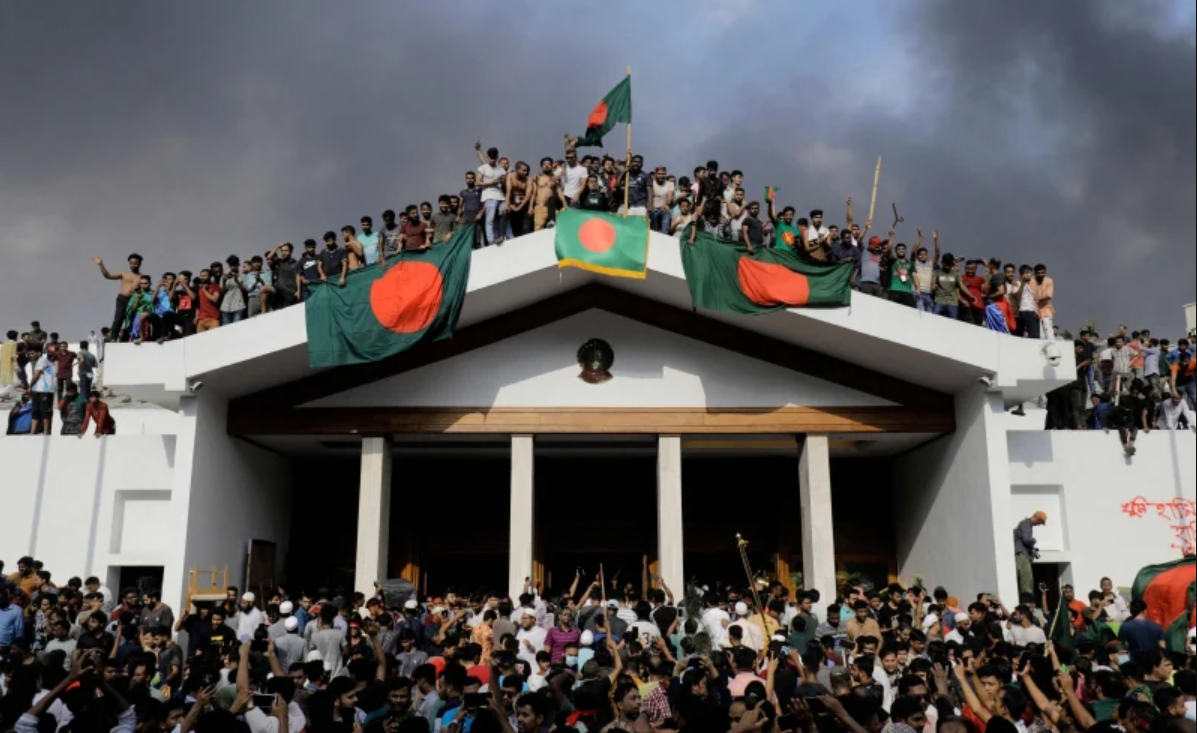

Bangladesh began voting today in its first national election since the uprising that toppled Sheikh Hasina in 2024. Long queues formed at polling stations nationwide. Bangladesh National Party (BNP) is poised to get a majority in elections. The vote marks a pivotal moment for the country’s 170 million people, with expectations of a closely contested race.
Bangladesh Nationalist Party (BNP) leader Tarique Rahman, 60, expressed confidence that his party would return to power. However, he faces a formidable challenge from Jamaat-e-Islami, the country’s largest Islamist party. Jamaat chief Shafiqur Rahman, 67, has run a disciplined grassroots campaign and could head Bangladesh’s first Islamist-led government if he secures victory.
Although opinion polls vary, most surveys place the BNP slightly ahead, while some suggest a razor-thin margin. Interim leader Muhammad Yunus described the vote as a defining moment. “It will determine the future direction of the country,” he said, emphasizing the durability of democracy and the fate of the next generation.
Reforms, referendum and security deployment
Yunus, 85, assumed leadership after Hasina’s ouster in August 2024 and barred her Awami League from contesting. A court sentenced Hasina, 78, to death in absentia for crimes against humanity related to a crackdown on protesters. She remains in India.
Meanwhile, voters will decide in a referendum on proposed term limits for prime ministers, a new upper house, expanded presidential powers and stronger judicial independence. Authorities deployed more than 300,000 security personnel as polling opened at 7:30 am and will close at 4:30 pm, with manual counting to follow.
Analysts say a transparent process remains critical. The next government will inherit economic strain and delicate ties with India. Both leading parties have pledged unity, stability and inclusive governance.
