

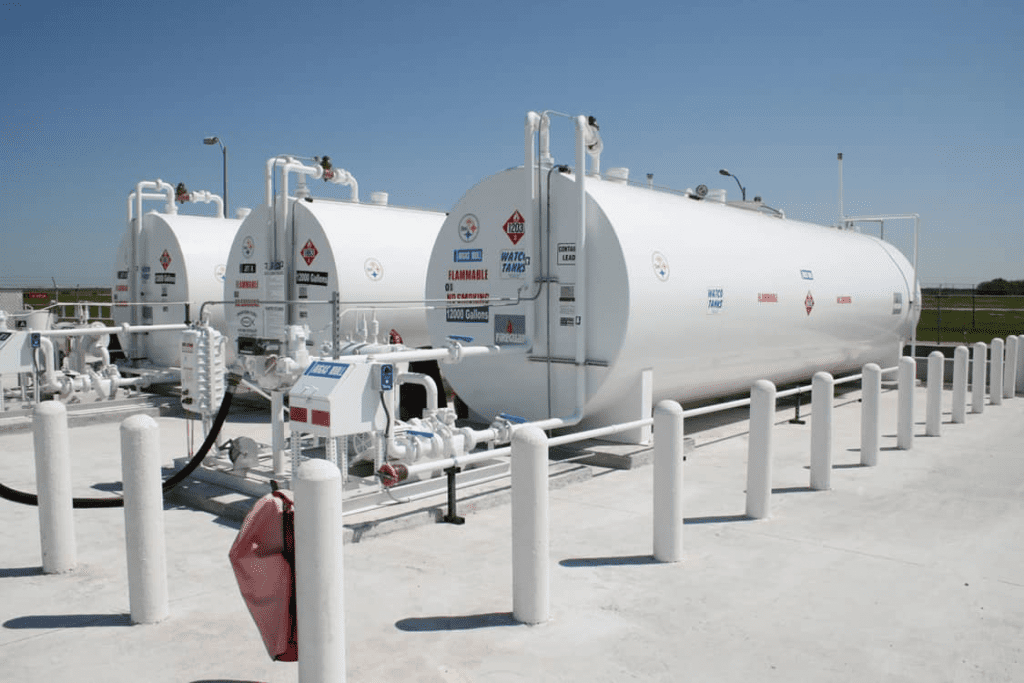

An aviation fuel farm is a vital airport facility that safely stores, manages, and supplies fuel like Jet A-1 or avgas to aircraft. These farms ensure uninterrupted flight operations by efficiently handling fuel from tanker delivery to aircraft refueling, all under strict safety and quality controls.
Key Functions & Components
Storage: Large tanks hold significant fuel quantities, acting as a buffer to meet demand.
Unloading: Road tankers deliver fuel, which is filtered immediately to remove contaminants.
Filtration & Quality Control: Fuel undergoes multiple filtration stages and is tested for water and impurities, critical for engine safety.
Distribution: Pipelines transfer fuel to hydrant systems or specialized refueling vehicles.
Refueling: Aircraft are refueled using precise metering systems, hoses, and nozzles for accurate fuel delivery.
Why Aviation Fuel Farms Are Important
-
Operational Backbone: They ensure efficient and safe aircraft refueling at any airport.
-
Safety & Compliance: Fuel farms follow rigorous industry regulations, inspections, and monitoring to prevent hazards.
-
Airport Growth: Modern, scalable farms enable airports to handle increasing traffic.
Modern Trends in Fuel Farm Management
Technology: Automation, remote monitoring, and data analytics optimize fuel management.
Sustainability: Airports are increasingly focusing on sustainable fuels and energy-efficient infrastructure.
Aviation fuel farms are more than just storage tanks—they are critical infrastructure that keeps airports running safely and efficiently while supporting future growth and innovation.
