


‘Financial Vulgarity’
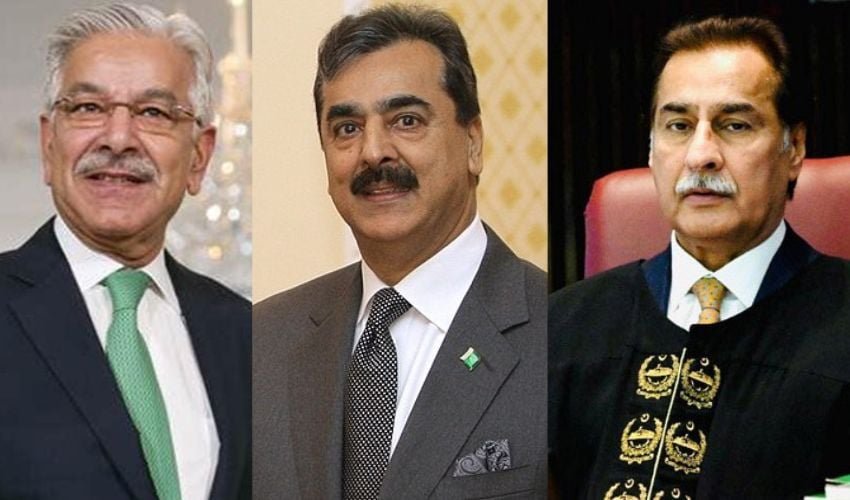
Defence Minister Khawaja Asif has come out strongly against the recent decision to increase the salaries and privileges of top parliamentary officeholders, labeling the move as “financial vulgarity” and calling it an insensitive act amidst the economic challenges facing the country.
Taking to social media platform X (formerly Twitter), the seasoned politician expressed his disapproval over the significant financial benefits granted to the Speaker and Deputy Speaker of the National Assembly, as well as the Chairman and Deputy Chairman of the Senate.
Asif criticized the decision-makers for approving what he described as an “extraordinary” and “excessive” hike in their remunerations and perks, asserting that such actions amount to “financial obscenity” in the face of a struggling economy.
“At a time when the majority of the population is grappling with inflation, joblessness, and economic hardship, this kind of indulgence by public representatives is nothing short of vulgar,” Asif stated. He stressed that the current environment demands empathy, restraint, and a deep understanding of the people’s suffering, not privileges for those already in positions of power.
In a powerful reminder of the responsibility held by public officeholders, Asif urged his fellow lawmakers and officials to remain conscious of the realities on the ground. “All our honor and dignity are owed to the people,” he wrote, urging a shift in focus from self-serving benefits to the welfare of the citizenry.
Asif’s statement comes amid growing public discontent over rising inequality and government spending priorities. His remarks have resonated with many who see the salary increases as a tone-deaf move, especially when the general public continues to bear the brunt of economic austerity and soaring living costs.
The minister’s candid criticism adds to the mounting pressure on government institutions to exercise fiscal responsibility and prioritize reforms that address public needs rather than expanding privileges for a select few.
