
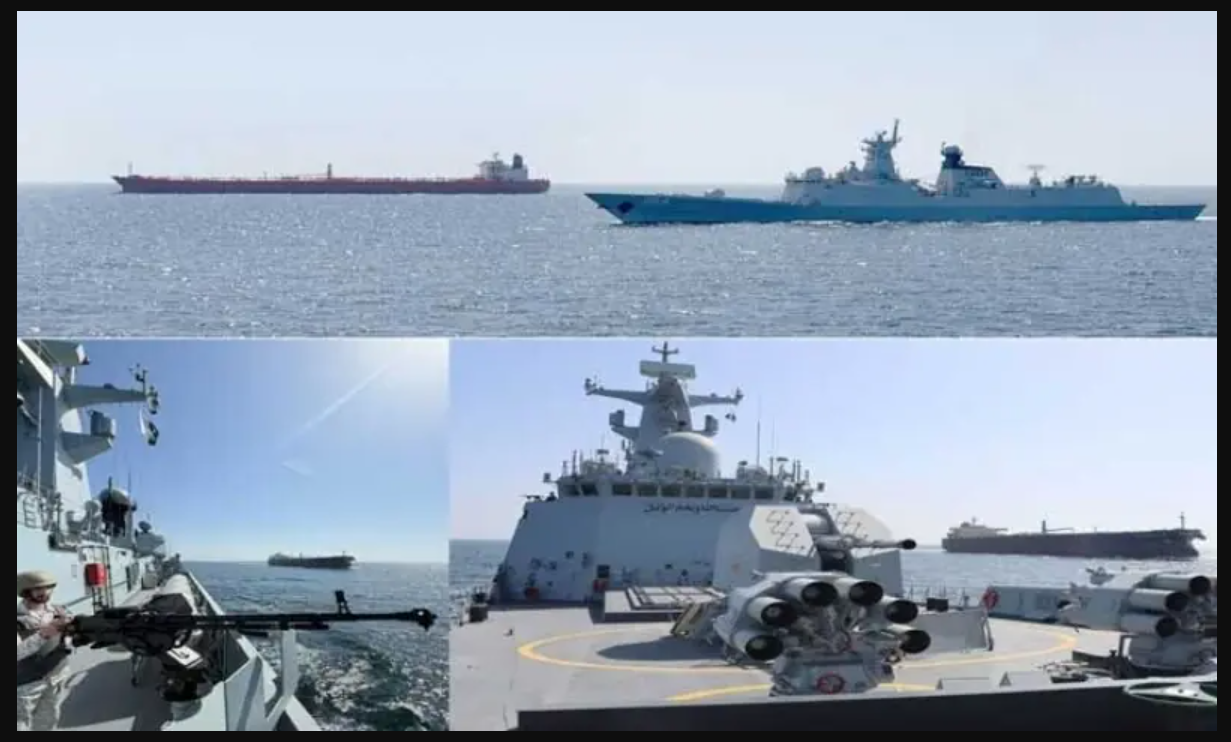

The Pakistan Navy has launched Operation Muhafiz-ul-Bahr to safeguard national shipping and maritime trade amid rising regional security concerns.
The operation focuses on protecting vital sea routes and ensuring uninterrupted maritime movement. Authorities aim to secure energy shipments and commercial vessels during ongoing regional instability.
Officials stated that the initiative seeks to maintain safe Sea Lines of Communication, commonly known as SLOCs. These routes remain essential for Pakistan’s economic and energy security.
Ensuring Continuous Energy Supply
The operation prioritizes the uninterrupted flow of national energy supplies. Maritime security has gained urgency due to tensions affecting regional waters and global shipping routes.
Recent conflict involving Iran, the United States, and Israel has created uncertainty across key maritime corridors. Additionally, disruptions near the Strait of Hormuz have intensified fears of fuel shortages.
Since a significant share of global oil shipments passes through this chokepoint, supply risks have increased worldwide. Consequently, Pakistan has moved to strengthen protection of incoming cargo vessels.
Coordination With National Shipping Authorities
Pakistan Navy escort operations are being conducted in coordination with the Pakistan National Shipping Corporation. This cooperation allows continuous monitoring of merchant vessel movement.
Naval officials confirmed that ships are actively tracking maritime traffic to ensure secure transit through sensitive waters. Furthermore, coordination mechanisms help respond quickly to emerging risks.
Currently, naval vessels are escorting two merchant ships carrying essential cargo. One vessel is expected to arrive in Karachi today under naval protection.
Economic Context Behind the Operation
Approximately 90 percent of Pakistan’s trade moves through sea routes. Therefore, maintaining maritime stability remains critical for national economic continuity.
Amid global energy market pressures, authorities have introduced emergency measures to manage economic impact. These steps include a Rs55 per litre increase in petrol and diesel prices.
In addition, the government has begun regular fuel price reviews and issued fuel conservation directives. These measures aim to reduce non-essential consumption during ongoing uncertainty.
Strengthening Maritime Preparedness
Naval authorities stated that they remain fully aware of the evolving maritime situation. Continuous monitoring helps ensure the safe passage of commercial vessels.
Operation Muhafiz-ul-Bahr demonstrates Pakistan’s commitment to protecting national shipping interests. Moreover, it reinforces readiness against emerging maritime security challenges.
Officials emphasized that the Navy stands prepared to respond swiftly to any threat affecting maritime trade routes. This proactive posture aims to maintain confidence among shipping operators and energy stakeholders.
Protecting Regional Maritime Stability
Beyond national interests, the operation also contributes to broader regional maritime security. Safe sea lanes support stable trade flows across connected economies.
By escorting merchant vessels and monitoring strategic routes, Pakistan seeks to prevent disruptions that could affect supply chains. As tensions continue, maritime protection remains a key national priority.
Ultimately, Operation Muhafiz-ul-Bahr reflects efforts to safeguard energy lifelines and ensure uninterrupted trade despite uncertain regional conditions.

