


In a major step toward modernizing Pakistan’s trade and tax infrastructure, the Federal Board of Revenue (FBR), under the guidance of Prime Minister Shehbaz Sharif, has officially launched the country’s first-ever artificial intelligence-based Customs Clearance and Risk Management System (RMS).
This groundbreaking initiative is aimed at automating and streamlining the customs process while ensuring greater transparency and efficiency in trade operations.
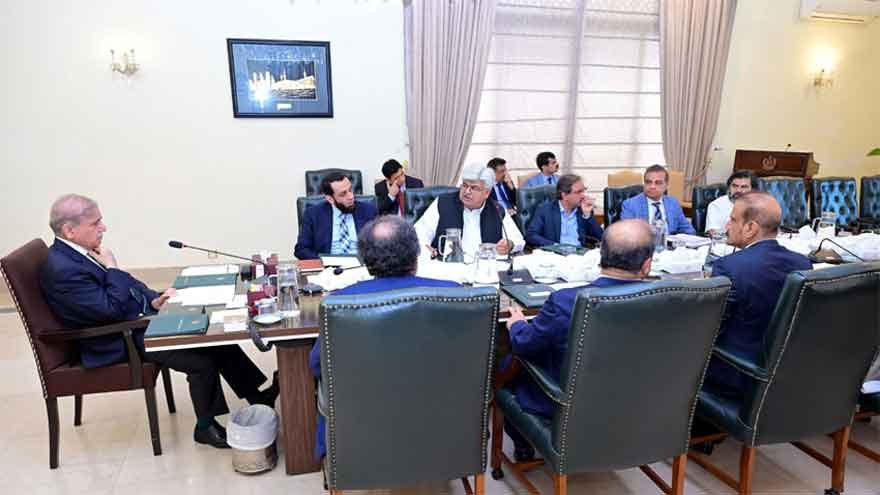
The announcement was made during a high-level meeting chaired by Prime Minister Shehbaz Sharif in Islamabad, where officials reviewed the progress of ongoing FBR reforms. The meeting revealed that the new RMS system will use advanced artificial intelligence and BOTs (automated software robots) to assess the nature and value of goods during import and export transactions.
By leveraging machine learning, the system is designed to adapt and improve over time, aligning with changes in global trade patterns and the movement of goods.
According to officials, early testing of the AI-driven system has already yielded impressive results. Performance improved by over 92%, and the number of Goods Declarations (GDs) processed for tax purposes increased by 83%.
Additionally, the clearance of goods through the green channel more than doubled, marking a significant improvement in the speed and ease of doing business at ports.
The new system is expected to reduce human intervention in customs processes, thereby minimizing the risk of corruption and errors. With instant, AI-based assessment of goods and automated valuation, the overall clearance time will be significantly reduced. This will not only ease the burden on customs officials but also facilitate smoother trade operations for importers and exporters.
Prime Minister Shehbaz Sharif reiterated the government’s commitment to comprehensive FBR reform and praised the new RMS as a vital milestone in that journey.
He emphasized the importance of building a transparent, technology-driven tax system that simplifies procedures for the business community and increases public trust in government institutions.
The prime minister also stressed the need to make the new RMS fully integrated and sustainable over the long term. He commended the FBR officials and staff who played a key role in developing and launching the system.
In addition to the RMS, the meeting was briefed on other ongoing automation efforts, including the use of video analytics to enhance tax collection in the manufacturing sector.
These initiatives aim to introduce transparent, human-free taxation mechanisms that can increase revenue while simplifying compliance for businesses. Preliminary testing of the video analytics-based system showed 98% efficiency, and its broader implementation is expected to yield significant gains in tax collection.
The meeting was attended by Finance Minister Muhammad Aurangzeb, Information Minister Attaullah Tarar, FBR Chairman Malik Amjed Zubair Tiwana, and other senior officials, all of whom expressed support for the digital transformation of Pakistan’s tax administration.
