
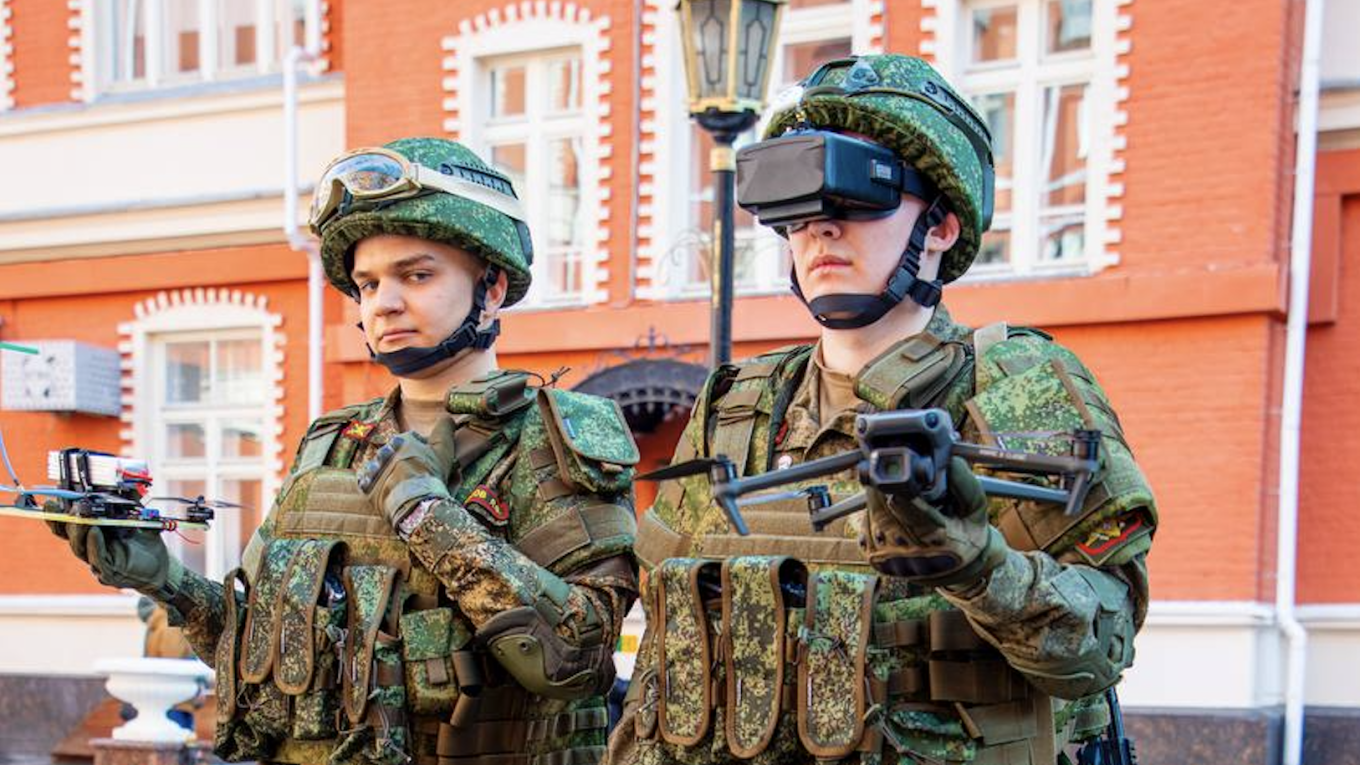

Military recruiters in Russia are increasingly targeting university students as enlistment numbers decline amid the prolonged war in Ukraine. At a transport college in Novosibirsk, administrators expressed frustration when few students volunteered to join drone units despite active recruitment efforts.
College head Maria Kirsanova openly criticised students for refusing to enlist, questioning their willingness to defend the country. Her remarks, recorded and shared online, highlighted growing tensions between institutional expectations and student reluctance.
Meanwhile, Russia has expanded recruitment campaigns across universities, particularly since early this year. According to the NGO Idite Lesom, recruiters often target students during winter exam periods, especially those struggling academically. Spokesperson Ivan Chuviliaev said officials sometimes pressure students by linking enlistment to academic consequences.
In many cases, students attend mandatory meetings with military representatives and are encouraged to sign contracts for drone operations. Some report being warned that poor academic performance could lead to expulsion unless they enlist. Additionally, universities have circulated Defence Ministry materials, promoted patriotic messaging, and highlighted students who joined the military.
Recruitment drives have reached at least 201 institutions nationwide, according to student outlet Groza. Prestigious universities, including Moscow State University, have displayed promotional materials endorsing military service. Furthermore, institutions such as Higher School of Economics have reportedly offered struggling students enlistment as an alternative to expulsion.
Officials have also framed enlistment as an opportunity rather than coercion. However, reports suggest that the Ministry of Defence of Russia has introduced recruitment quotas for universities, intensifying pressure on administrators.
As a result, the campaign reflects mounting manpower challenges, with authorities relying on educational institutions to sustain military recruitment while the conflict continues.

