

Afghanistan and Pakistan have agreed to move forward with a comprehensive plan aimed at reducing tensions and improving bilateral relations. The understanding emerged after seven days of diplomatic talks hosted by China in the city of Urumqi.
Urumqi Talks Focus on Dialogue and Cooperation
Representatives from Kabul, Islamabad, and Beijing participated in the discussions, which concluded earlier this week. Officials emphasized dialogue and consultation as the most effective tools for resolving disputes. The talks highlighted the importance of sustained diplomatic engagement during a period of regional uncertainty.
According to statements shared after the meeting, both Afghanistan and Pakistan reaffirmed their historical and cultural ties. Leaders described the two nations as neighbouring Muslim countries with shared responsibilities toward regional peace.
Importance of Stable Afghanistan–Pakistan Relations
Participants stressed that stable relations between Afghanistan and Pakistan remain vital for people in both countries. Moreover, cooperation between the two neighbours directly influences peace and stability across South Asia.
Diplomatic representatives agreed that maintaining friendly ties can help prevent escalation along the border. Therefore, continued communication channels will remain central to future engagement efforts.
Background: Rising Tensions and Ceasefire Efforts
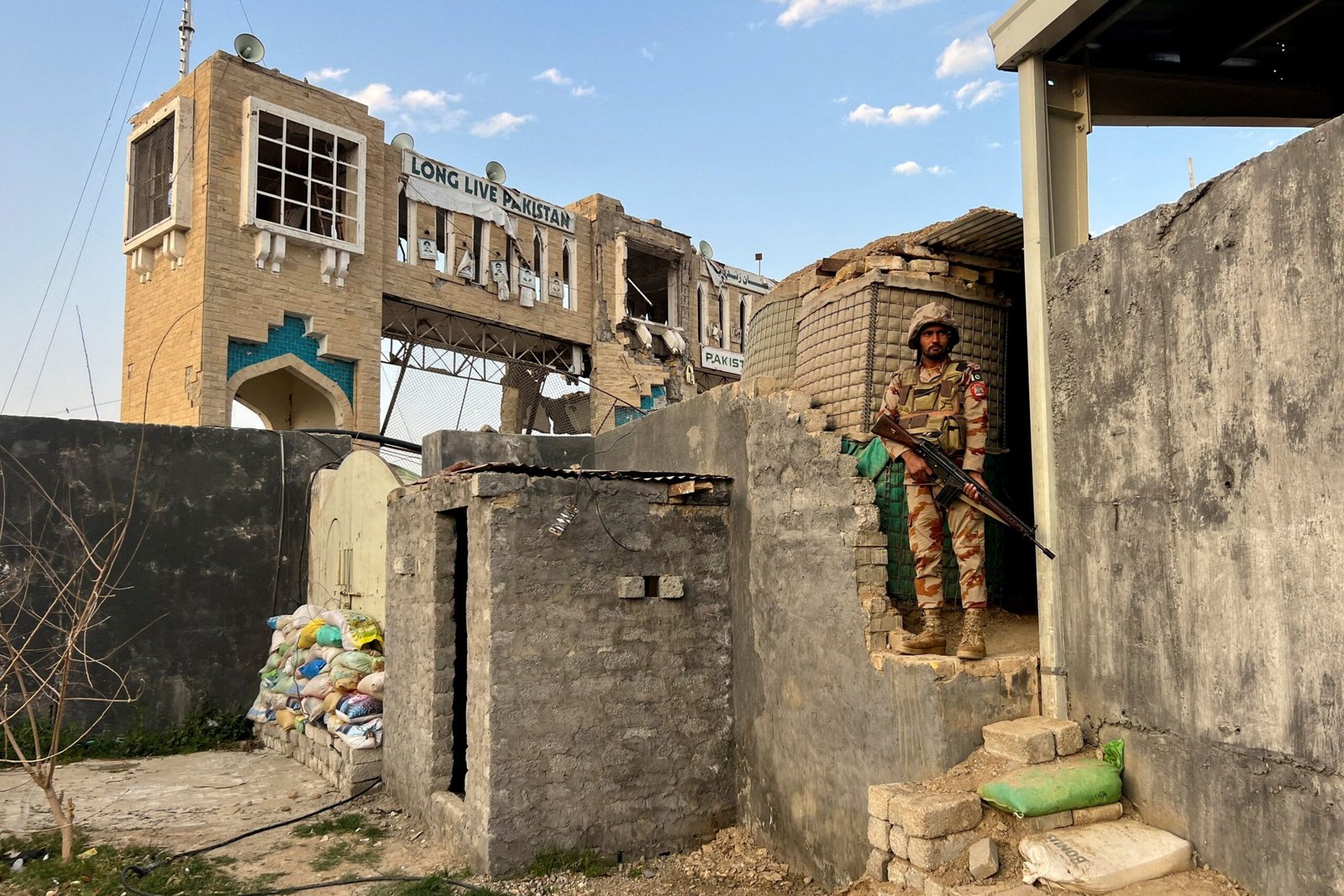
The discussions followed one of the most serious periods of border tensions between the two countries. Earlier clashes resulted in significant casualties, including civilians, soldiers, and militants.
Ahead of Eid al-Fitr, both sides agreed to a week‑long ceasefire after mediation efforts by several regional countries. That temporary truce created space for broader diplomatic negotiations. Consequently, the Urumqi talks aimed to transform short-term calm into long-term stability.
Comprehensive Plan Targets Core Issues
During the meetings, the three sides identified priority concerns affecting bilateral relations. Officials agreed to continue discussions on a structured plan designed to address underlying disputes.
China emphasized that terrorism remains a central challenge impacting Afghanistan–Pakistan relations. Participants acknowledged that tackling security concerns requires coordinated efforts and consistent dialogue.
Furthermore, the talks reinforced the idea that complex international disputes demand negotiation rather than confrontation. Diplomatic consultation was presented as the most viable path toward sustainable solutions.
Regional Diplomacy Moving Forward
The diplomatic process, referred to as the “Urumqi Process,” signals a renewed attempt to stabilize relations through structured engagement. Continued meetings and follow‑up discussions are expected as both countries refine the proposed framework.
Observers view the initiative as an opportunity to rebuild trust gradually. While challenges remain, sustained dialogue could reduce misunderstandings and encourage cooperation on shared concerns.
A Step Toward Long-Term Stability
The agreement to explore a comprehensive plan marks a cautious yet meaningful step forward. Afghanistan and Pakistan now face the task of translating diplomatic commitments into practical outcomes.
If progress continues, the initiative may contribute to improved regional security and stronger neighbourly relations. Ultimately, consistent engagement and mutual understanding will determine whether lasting peace becomes achievable.

