
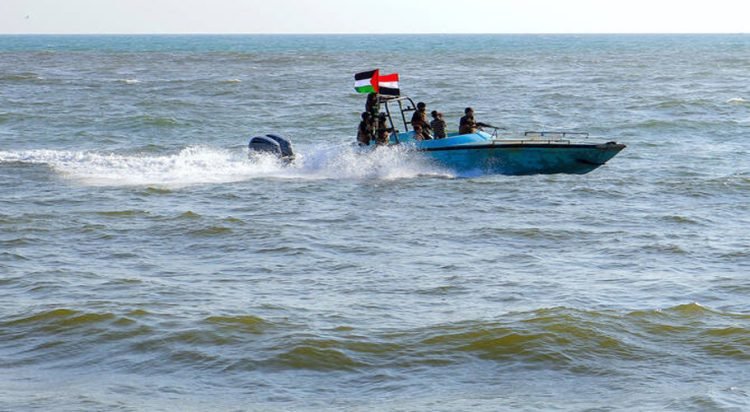

The United States and its allies are considering the formation of a new coalition to address rising security concerns in the Red Sea, according to Reuters. Sources familiar with the matter said the final list of participating countries has not yet been decided, while discussions continue with dozens of nations.
The developments come as global markets already face pressure due to the closure of the Strait of Hormuz. Experts warn that further disruption in the Red Sea could affect the movement of energy supplies and international trade.
Houthi blockade increases Red Sea tensions
The situation escalated after Yemen’s Houthi group announced a naval blockade against Saudi Arabia on July 20. The group claimed that the Saudi-led coalition had maintained an “unjust and oppressive blockade” on Yemen for nearly 12 years.
The Houthis said they targeted Saudi vessels in the Red Sea after announcing the blockade. In response, Saudi Arabia carried out airstrikes on areas in Yemen’s port city of Hodeidah, describing the locations as Houthi military facilities.
Reuters reported that it contacted the Saudi Center for International Communication for a response, but the agency did not provide a comment.
Regional tensions threaten global shipping
The growing instability in the Red Sea has created another challenge for the United States and its allies. The developments have expanded concerns linked to the wider tensions between Iran and Israel.
As a result, oil tankers and cargo vessels face increased risks, which have contributed to higher global oil prices. Moreover, experts fear that unsafe shipping routes could disrupt supply chains worldwide.
Al Jazeera journalist Victoria Gatenby said Gulf countries have repeatedly tried to avoid further escalation during the US-Iran tensions. She noted that these nations do not consider the conflict their own and do not want to become directly involved.
Meanwhile, Saudi Foreign Minister Prince Faisal bin Farhan Al Saud held talks with foreign ministers from Qatar, Kuwait and Bahrain. According to Saudi officials, the leaders stressed the need to reduce regional tensions and strengthen cooperation through the Gulf Cooperation Council (GCC).

