

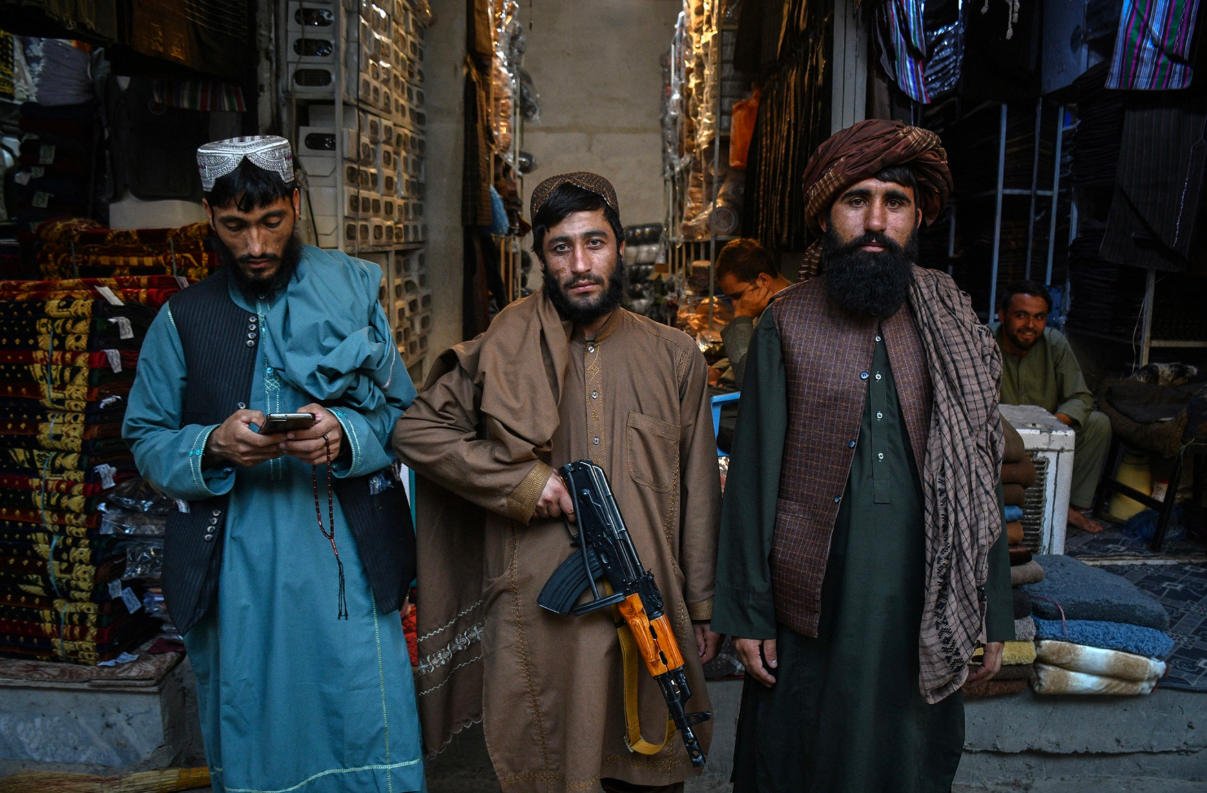

The Afghan Taliban government has officially acknowledged the presence of the Tehreek-e-Taliban Pakistan (TTP) and other terrorist groups operating from its soil, the Foreign Office confirmed on Friday. The statement has deepened Islamabad’s concerns about cross-border terrorism and the security challenges that have strained bilateral relations between the two neighbouring states.
Pakistan Raises Concerns Over Terror Activity
During a weekly briefing, the Foreign Office spokesperson stated that Afghan authorities had “acknowledged the presence of TTP and other terrorist organisations” within Afghanistan. However, he noted that Kabul had offered various justifications for not taking immediate action against these groups.
The spokesperson emphasized that the continued existence of these elements across the border only reinforced Pakistan’s long-standing security concerns. He further clarified that Islamabad has maintained consistent communication with the Taliban administration for over four years, urging decisive measures against terror outfits targeting Pakistan.
“Optimism remains a professional necessity in diplomacy,” the spokesperson added, underlining Pakistan’s cautious approach in engaging with Kabul despite recurring challenges.
Dialogue and Mediation Efforts Continue
Pakistan and Afghanistan recently concluded the second round of peace talks in Istanbul, mediated by Turkiye and Qatar. The dialogue followed border tensions earlier in October, which led to violent exchanges between both sides.
While the discussions initially appeared close to collapse, mediation efforts by Turkiye and Qatar helped salvage the talks, resulting in an interim ceasefire agreement. Both countries have now agreed to continue negotiations in a new round of talks scheduled for November 6.
Pakistan reaffirmed its commitment to the dialogue process but warned that its cooperation would depend on Afghanistan’s verifiable action against terrorist networks operating from its territory.
Islamabad’s Expectations from Kabul
Pakistan reiterated that it expects the Taliban government to honour its international commitments by ensuring Afghan soil is not used for terrorism. The Foreign Office made it clear that Islamabad will continue engaging constructively but will not compromise on its core security concerns.
The spokesperson recalled that Pakistan had repeatedly shared credible intelligence about the presence of senior militant leaders on Afghan soil, including those linked to the TTP and Balochistan-based separatist groups. Despite multiple assurances from the Taliban regime, Pakistan reported a surge in terror incidents originating from Afghanistan over the past year.
He stated that Pakistan’s response to recent border aggression was “decisive and proportionate,” aimed at protecting national sovereignty and deterring future provocations.
Ceasefire Dependent on Counterterrorism Actions
Defence Minister Khawaja Asif also confirmed that a temporary ceasefire was in place following mediation by Turkiye and Qatar. However, he cautioned that peace could only be sustained if terrorism originating from Afghanistan ceased completely.
He added that while there was some hope for progress, it largely stemmed from the influence of mediating countries rather than Kabul’s willingness to cooperate.
The minister reiterated that Pakistan’s principal demand remains unchanged — the complete dismantling of terror networks using Afghan territory to target Pakistan.
Moving Forward with Diplomatic Caution
Despite tensions, Pakistan remains committed to regional peace, connectivity, and economic integration. Islamabad highlighted multiple diplomatic initiatives to support Afghanistan, including the elevation of diplomatic ties and agreements for joint infrastructure projects such as the Uzbekistan-Afghanistan-Pakistan Railway and the extension of the China-Pakistan Economic Corridor.
The Foreign Office stressed that Pakistan envisions a peaceful and prosperous Afghanistan, stable within itself and with its neighbours. Yet, this vision, officials warned, will remain elusive unless concrete and verifiable actions are taken against groups undermining regional stability.
For now, the ceasefire remains intact — but its survival depends on whether Kabul’s words will translate into real steps against terrorism.
