

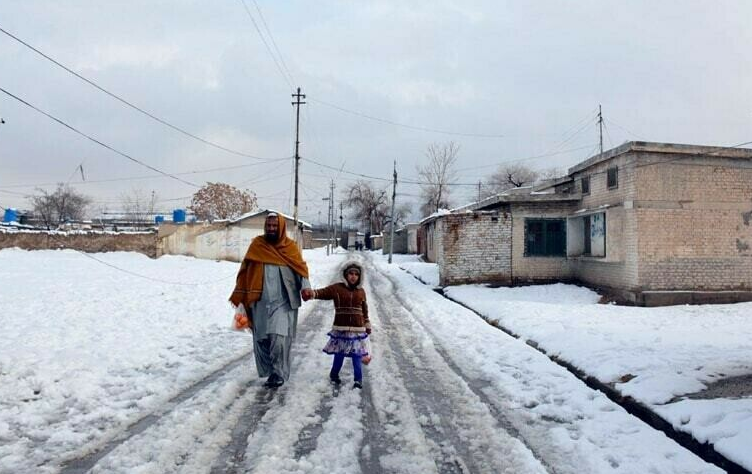

Quetta, the capital of Balochistan, confronted the peak of winter’s icy grasp on Sunday, recording a bone-chilling temperature drop to -5 degrees Celsius, marking the coldest night of the ongoing winter season, according to reports from the Pakistan Meteorological Department (PMD).
The pervasive coldwave tightened its grip across the majority of Balochistan province, inducing the freezing of water in pipelines and on roads as an unrelenting cold breeze swept through Quetta. This meteorological phenomenon transformed the cityscape into a frozen tableau, with residents grappling with the challenges posed by the plummeting temperatures.
Adding to the meteorological complexities, heavy rainfall lashed Quetta and adjoining areas, leaving behind a serene landscape under a clear sky. The precipitation, coupled with thunderstorms, was not confined to Balochistan alone; rather, it extended its reach across Khyber Pakhtunkhwa, Islamabad, northern Punjab, and even into Kashmir and Gilgit-Baltistan, where heavy rains and snowfall were anticipated.
In response to the adverse weather conditions, authorities promptly issued advisories urging citizens to exercise caution. Recommendations included staying indoors, refraining from unnecessary travel, and staying attuned to updates disseminated by reliable weather sources. The overarching concern for public safety prompted the mobilization of emergency services, which remain on high alert, prepared to respond promptly to any unforeseen emergencies arising from the challenging weather conditions.
This meteorological tableau serves as a reminder of the importance of preparedness and caution in the face of nature’s unpredictable forces. As Quetta and its environs grapple with the aftermath of heavy precipitation and freezing temperatures, the resilience of the community is tested, and the proactive measures taken by authorities underscore the collective effort to navigate through the complexities of winter’s harsh embrace.
