

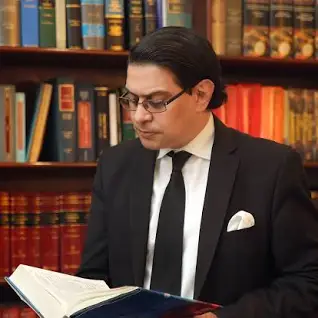

Salman Akram Raja, a prominent Pakistan Tehreek-e-Insaf (PTI) leader and senior lawyer, was arrested in Lahore during a protest against alleged rigging in the 2024 elections. He was taken into custody outside the PTI Jail Road office in Lahore.
The arrest comes after the Election Commission of Pakistan (ECP) withdrew the victory notification for Awn Chaudhry, the candidate from the Istehkam-e-Pakistan Party, who was declared victorious against Salman Akram Raja in the February 8 general elections. Although Chaudhry secured 172,576 votes compared to Raja’s 159,024 votes, PTI-backed independent candidate Salman Akram Raja challenged Chaudhry’s victory notification.
In response to perceived election irregularities, the PTI called for nationwide demonstrations to protest against what it alleges as “brazen rigging” during the recent elections. PTI leader Asad Qaiser, after meeting with Jamat-e-Islami (JI) leadership in Islamabad, invited various political parties that shared concerns about election rigging to join the protest.
The outcome of the February 8 general elections left Pakistan’s political landscape uncertain, as none of the major political parties—PML-N, PPP, or PTI-backed independent candidates—secured a simple majority in the National Assembly. As a result, political stakeholders have been working to forge alliances and secure 169 seats in the 336-member lower house of parliament.
Independent candidates supported by the PTI emerged with a substantial lead over mainstream political parties, particularly in the National and Khyber Pakhtunkhwa Assemblies. Of the 101 independent candidates who won seats, 92 are backed by the Pakistan Tehreek-e-Insaf, while nine are general independent candidates.
In the meantime, the PML-N secured 75 seats, the PPP won 54 seats, and the MQM-P emerged victorious in 17 constituencies. The JUI-F secured four seats, PML-Q three, while IPP and BNP each won two seats.
